KORDIAM – orange-red hybrid tea rose - Kordes
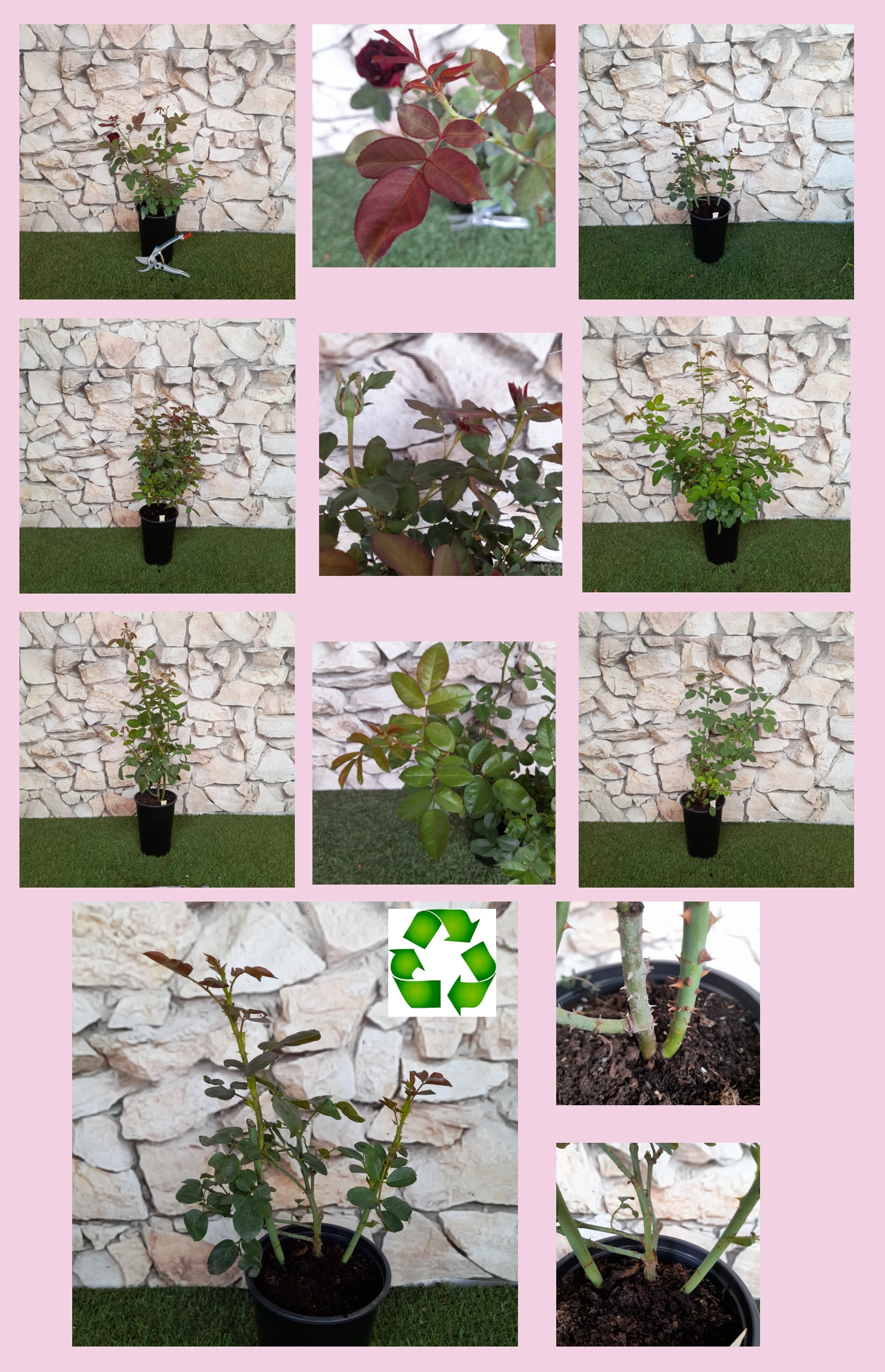
Bring a touch of post-rain balance to a compact London front garden with this refined hybrid tea. Its high-centred blooms open in elegant, coral-orange flowers that slowly soften to salmon and pastel peach, giving a long season of colour with minimal effort. Bred by Kordes for reliability, it offers strong disease resistance that suits humid, changeable British weather and blustery, rain-laden sites near the coast. As an own-root plant it develops steadily, rewarding you as years pass, with roots establishing first, then stronger shoots, then full ornamental value. Ideal for narrow beds, it keeps a neat, upright habit that fits small family gardens, front paths and patio pots of 40–50 litres or more. Low-maintenance care, long-lived structure and sustainable, peat-free planting make it a thoughtful choice for busy urban gardeners.
Usage options
| Target area | Reasoning |
|---|
| Narrow front-garden bed along a London terrace |
The upright, bushy structure stays within 100–140 cm, giving a vertical ribbon of coral-orange colour without crowding pavements or bay windows. Simple pruning keeps a clean line, ideal where space is tight for the beginner. |
| Feature rose in a 40–50 litre container |
Solitary, exhibition-style blooms look refined in a large pot, where the tidy hybrid tea form can be admired up close. A single plant makes impact with limited watering and no complex feeding schedule for the balcony-owner. |
| Low-maintenance family garden border |
Good resistance to black spot, mildew and rust keeps foliage attractive with minimal spraying, even in damp summers. This makes it easy to fit in routine light pruning and deadheading around work and family life for the busy-gardener. |
| Long-season colour near paths and seating |
Remontant flowering gives waves of blooms from early summer into autumn, so paths and sitting areas stay colourful without seasonal replanting. Consistent performance helps smaller gardens feel well-kept across the year for the time-poor. |
| Urban rainwater-conscious planting strip |
Suited to typical British conditions with regular rain and cool spells, it partners well with free-draining soil mixes so excess water from downpipes or permeable paving can soak away while the rose remains healthy for the sustainability-minded. |
| Elegant, structured “girly” front garden scheme |
The high-centred, cut-rose-type flowers give a classic, romantic look that balances gravel, brick and painted railings. Their changing coral-to-peach tones pair beautifully with soft pinks and creams in a compact but stylish layout for the style-lover. |
| Long-term planting for a stable, lasting display |
As an own-root rose it is less prone to graft failure, can regenerate from its own wood after hard pruning or weather damage, and maintains its variety-true shape over many seasons, supporting a dependable framework for the homeowner. |
| Coastal or exposed suburban garden |
The sturdy, moderately dense foliage and bushy growth help the plant cope with wind and driving rain, while its disease resistance reduces the impact of damp, salt-laden air in more open sites, easing maintenance for the coastal-gardener. |
Styling ideas
- Romantic Border – Underplant KORDIAM with soft pink heuchera and airy grasses to echo its coral-peach transitions – ideal for the style-conscious front-garden owner.
- Terrace Welcome – Place a single rose in a 50 litre pot by the front door, framed with trailing ajuga for a polished yet low-effort entrance – suited to busy city dwellers.
- Cottage Ribbon – Line a narrow path with spaced KORDIAM plants and interweave lavender or nepeta for a relaxed, flower-rich walkway – perfect for informal family gardens.
- Structured Minimal – Pair one or three roses with dark green Japanese creeper on fences and simple gravel mulch, highlighting the upright form – appealing to modern, low-maintenance gardeners.
- Rainwise Strip – Combine KORDIAM with mulch, coarse grit and drought-tolerant perennials near downpipes to manage runoff attractively – a smart choice for sustainability-focused homeowners.
Technical cultivar profile
| Parameter | Data |
|---|
| Name and registration |
Hybrid tea rose; registered as KORdiam, traded as Kordiam Hybrid tea rose KORdiam, ARS exhibition name ‘Holsteinperle’, meaning “pearl of Holstein”. |
| Origin and breeding |
Bred by Reimer Kordes (W. Kordes & Sons, Germany); seedling × ‘Flamingo’; bred 1984, introduced and registered 1987 by W. Kordes & Sons. |
| Awards and recognition |
Recognised in exhibition circles; awarded Queen of Show at the Western New York Rose Society Show under ARS rules in 2001 for bloom quality. |
| Growth and structural characteristics |
Upright, bushy shrub reaching about 100–140 cm high and 50–70 cm wide, with moderately dense, dark green, slightly glossy foliage and noticeably thorny stems. |
| Flower morphology |
Large, double, high-centred hybrid tea blooms (approx. 7–10 cm) with 26–39 petals, mostly solitary on stems, remontant with a generous second flush after the main flowering. |
| Colour data and phenology |
Orange-red overall; deep coral-orange buds shift through vivid orange-pink and salmon to pastel pink-peach, with salmon-pink petal edges and paler orange centres at full bloom. |
| Fragrance and aroma |
Bred primarily for flower form and garden performance rather than scent; flowers are effectively unscented, with no noticeable aroma detectable in normal garden conditions. |
| Hip characteristics |
Occasionally forms small, spherical, orange-red hips, around 12–18 mm diameter, offering modest late-season interest without significantly impacting repeat flowering. |
| Resistance and winter hardiness |
Shows good resistance to powdery mildew, black spot and rust; hardy to approximately –23 to –21 °C (RHS H7), corresponding to USDA zone 6a and Swedish zone 3. |
| Horticultural recommendations |
Low-maintenance with little intervention needed; plant 45–90 cm apart, at 3.3–3.8 plants/m², in well-drained soil, ideally in sun; renew growth with routine light pruning. |
KORDIAM offers reliable long-season colour, strong disease resistance and a neat, upright form on a durable own-root framework; a thoughtful, low-effort choice if you would like a long-lived feature rose.