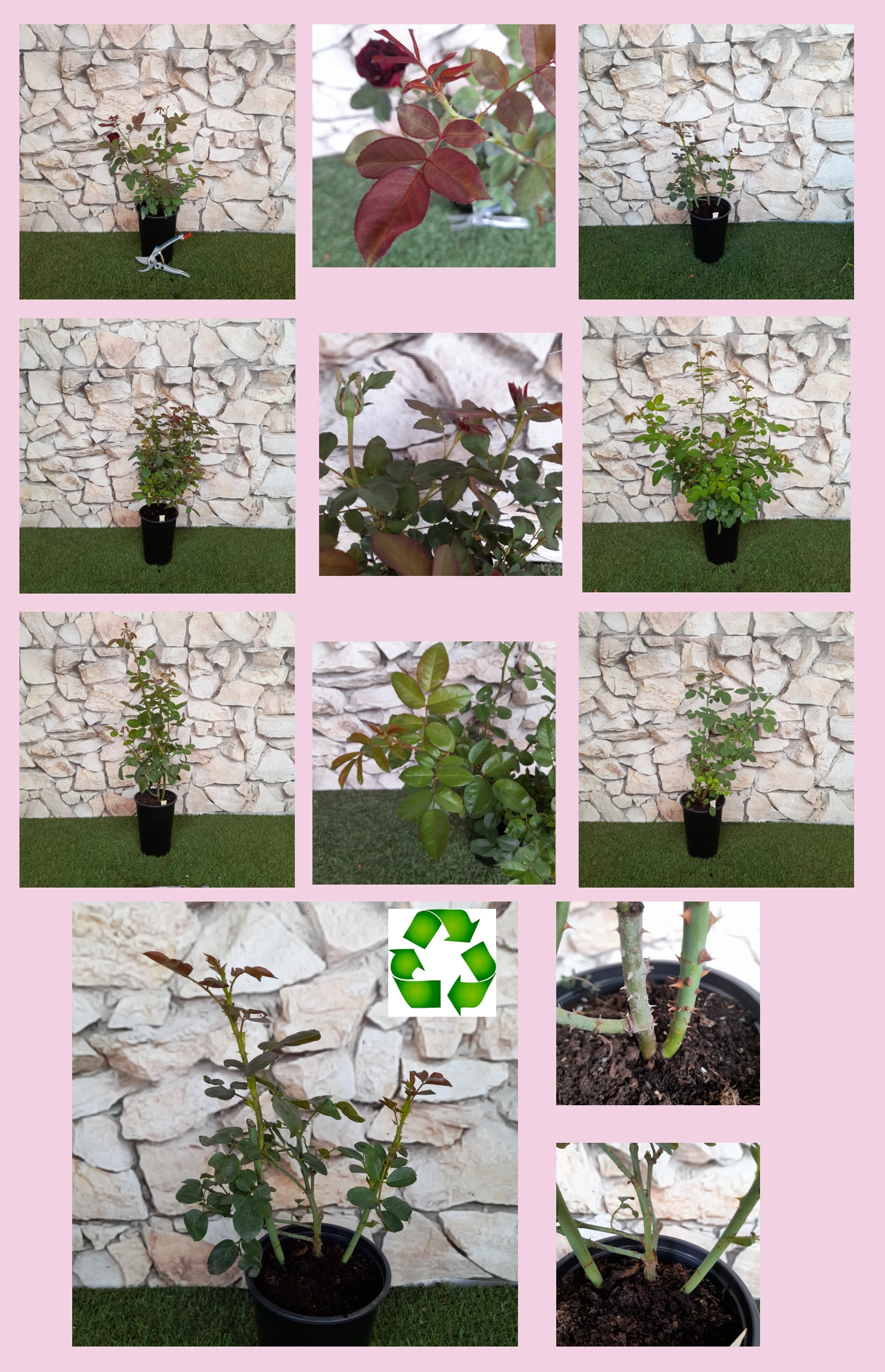
PRINCESS MEIKO – pink hybrid tea rose – Kunieda
Step off the busy pavement into a small front garden where Princess blooms in waves of rich pink, its tidy hybrid-tea shape bringing calm balance to even the most compact London plot. This bushy, glossy-foliaged plant is bred for reliability, combining strong disease resistance with low day‑to‑day maintenance, so you can enjoy colour rather than chores. As an own‑root rose it establishes steadily for a long, secure life in your soil, regenerating from the base after pruning and weather setbacks. In heavy, wet conditions it copes well when planted into improved soil that helps with drainage and winter waterlogging. Over time it forms a neat, upright shrub ideal for paths, entrances and containers of at least 40–50 litres, with plenty of repeat blooming all summer. Expect a gentle development: roots in year one, strong top growth in year two, and full, reliable ornament by year three for lasting impact and effortless elegance.
Usage options
| Target area |
Reasoning |
| Small London front garden border |
The compact, bushy habit and neat hybrid‑tea blooms make Princess Meiko ideal for narrow front borders, where it delivers structure and colour without outgrowing the space, perfect for the time‑pressed homeowner. |
| Low‑maintenance family path edging |
Dense, glossy foliage and good resistance to black spot, mildew and rust mean less spraying and deadleafing, so paths stay smart with minimal effort, suiting the busy family. |
| Statement container on terrace or balcony |
In a 40–50 litre peat‑free container, this upright shrub gives repeated rich‑pink flushes and a tidy outline, offering a long‑lived feature for paved or gravelled spaces used by the urban gardener. |
| Rain‑aware, clay‑soil front garden |
Once planted into improved, free‑draining clay, the strong root system and own‑root vigour help it ride out wet spells and cool, grey summers common in town gardens, reassuring the cautious beginner. |
| Mixed “girly” border with perennials |
The vivid pink rosettes partner beautifully with soft lavenders, nepeta or bearded irises, creating a feminine, textural scheme that stays tidy and repeat‑flowering for the style‑conscious designer. |
| Cutting corner for home arrangements |
Originally bred as a cut‑flower rose, its shapely, small rosettes and strong stems make it suitable for snipping a few stems for vases without spoiling the shrub, pleasing the creative arranger. |
| Long‑term structural planting |
Being own‑root, the plant regenerates well from the base and is not dependent on a graft, giving a longer, more stable life and consistent appearance for the forward‑planning owner. |
| Simple project for new rose growers |
With modest size, low maintenance needs and predictable repeat flowering, this cultivar lets newcomers enjoy success without complex pruning or feeding regimes, encouraging the hesitant novice. |
Styling ideas
- Pastel-Pathway – Line a short front path with Princess Meiko and lavender, using gravel or brick edging to keep things crisp – ideal for busy owners wanting soft colour and easy care.
- Balcony-Bouquet – Plant one shrub in a 50‑litre pot with trailing nepeta and thyme for a long‑flowering balcony feature – suited to flat‑dwellers seeking a single, reliable focal point.
- Evening-Entrance – Flank the front door with two matching containers, underplanted with white alyssum to echo the glossy foliage and pink blooms – perfect for those wanting a polished, low‑fuss welcome.
- Clay-Refresh – In a small clay‑soil front garden, mix in compost and grit, then group Princess Meiko with bearded irises for structure and seasonal colour – aimed at homeowners improving difficult ground gradually.
- Cutting-Corner – Tuck two or three plants at the back of a sunny border, leaving access for snipping stems for weekend vases – appealing to home florists who enjoy regular, effortless bunches.
Technical cultivar profile
| Parameter |
Data |
| Name and registration |
Hybrid tea rose marketed as PRINCESS MEIKO – pink tea‑hybrid rose – Kunieda; commercial group Hybrid Tea; premium garden form of a Japanese Wabara selection. |
| Origin and breeding |
Bred by Keiji Kunieda at Rose Farm Keiji (Wabara), Moriyama, Shiga Prefecture, Japan; breeding completed c.2018 and introduced to wider markets from 2019 onward. |
| Awards and recognition |
Moscow competition gold medal in 2019, reflecting its reliable performance and ornamental value in demanding show conditions and supporting its use as a quality garden hybrid tea. |
| Growth and structural characteristics |
Bushy, upright shrub to around 70–95 cm high and 45–60 cm wide, with dense, dark green, glossy foliage and moderate prickles, forming a tidy, compact presence in small gardens. |
| Flower morphology |
Small, very double rosette blooms (over 40 petals) carried mainly solitary on stems; strong remontant habit with a generous second flush and further repeat waves in suitable conditions. |
| Colour data and phenology |
Uniform, vivid pink flowers (RHS 57B–57C) from bud to full rosette, with good colour retention; only slight softening as blooms mature and no notable fading reported in typical UK sunlight. |
| Fragrance and aroma |
Classified as unscented, with no noticeable fragrance for garden use; chosen primarily for colour, form and reliability rather than scent, making it suitable where aroma is not a priority. |
| Hip characteristics |
Very double flowers limit pollination, so hips are few and small; any that form are spherical, 7–10 mm across and red, generally insignificant in overall ornamental effect. |
| Resistance and winter hardiness |
Rated H7, hardy in much of the UK and USDA zone 6b; noted resistance to black spot, powdery mildew and rust under normal care, supporting low‑input, sustainable garden planting. |
| Horticultural recommendations |
Plant 40–80 cm apart depending on use; prefers improved, well‑drained soil and full sun; suits own‑root container or border planting where low maintenance and repeat flowering are desired. |
PRINCESS MEIKO offers compact, repeat pink blooms, strong disease resistance and long-lived own-root reliability for small, low-maintenance gardens, making it a thoughtful choice if you value steady beauty over many seasons.