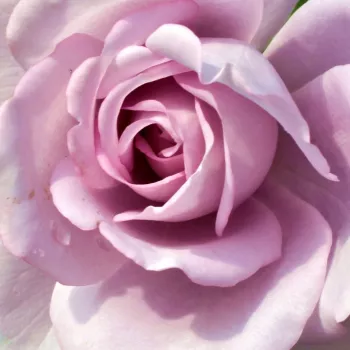
ROSA FOETIDA BICOLOR – orange landscape shrub rose
Step out after rain into a front garden washed clean and naturally glistening, where colour and fragrance carry along the narrow path of a London terrace and petals dry quickly even in breezy, unsettled weather with good resistance to wet, windy conditions; texture comes from light green foliage and densely prickled stems that double as a subtle living barrier, while the single, two‑toned blooms are alive with pollinators from the first warm days of early summer. This heritage shrub settles steadily as roots establish, so that by the third year its generous hedge‑like presence, structure in the border and glowing hips for autumn wildlife all feel quietly permanent in a small urban space. Grown on its own roots in a convenient 2‑litre container, it offers long‑term resilience and an easy, low‑intervention way to anchor a sustainable, rainwater‑fed planting.
Usage options
| Target area | Reasoning |
|---|
| Narrow London front garden border |
The upright, bushy habit and vivid bicolour flowers give strong visual impact in a tight space, creating a focal shrub that looks established within a couple of seasons and needs only light annual pruning for busy city homeowners seeking easy-care. |
| Wildlife- and bee-friendly planting |
Single, open flowers with prominent yellow stamens are highly attractive to bees and other pollinators, while autumn hips feed birds and small mammals, supporting a small but meaningful wildlife corridor for nature-conscious small-garden beginners. |
| Rainwater-conscious front garden |
Deep roots and good heat and drought tolerance allow you to rely on collected rainwater rather than frequent hose use, working well with gravel, permeable paving and other low-runoff designs for environmentally aware urban gardeners. |
| Low-maintenance flowering hedge |
The dense prickles and upright framework form an effective, almost impenetrable boundary hedge, giving privacy and discouraging unwanted access while requiring only periodic shaping, suiting families wanting secure yet natural green screening. |
| Clay or poorer soils with sun |
This heritage shrub copes well with less-than-ideal, even relatively poor soils, provided drainage is reasonable, making it a sound choice where improving heavy ground is difficult for time-pressed householders needing forgiving planting. |
| Background shrub against walls or fences |
Placed at the back of a mixed border, its height, bushy shape and fiery flower display provide a colourful backdrop that knits together perennials such as calamint or phlox, ideal for those wanting strong seasonal structure. |
| Informal park-style group or mass planting |
Suited to being planted in loose drifts with generous spacing, this once-flowering shrub offers a brief but spectacular early-summer show and then green volume, fitting gardeners who value long-lived, low-input landscape plantings. |
| Large container on terrace or drive |
In a substantial container of at least 40–50 litres with free-draining, peat-free compost, its once-a-year pruning and self-cleaning flowers keep maintenance modest even where space is tight and ground planting is impossible for urban balcony owners. |
Styling ideas
- Heritage-focus – Combine with traditional perennials such as Phlox paniculata to echo its centuries-old character – ideal for history-minded gardeners restoring period front gardens.
- Wildlife-edge – Use as a lightly clipped boundary with underplanting of Calamintha nepeta ‘Blue Cloud Strain’ to boost nectar from spring to autumn – perfect for families wanting a wildlife-friendly fence line.
- Colour-contrast – Pair the fiery orange-red blooms with cool lavender or nepeta to create a balanced, “girly yet grown-up” palette – suited to style-conscious terrace owners.
- Minimal-care – Let the bushy shrub stand alone in gravel with just a few drought-tolerant companions, relying mainly on rainwater – good for busy urban professionals.
- Season-arc – Highlight the strong spring flowering and autumn hips against a dark-painted fence, adding spring bulbs below for layered interest – appealing to small-garden designers chasing maximum impact.
Technical cultivar profile
| Characteristic | Data |
|---|
| Name and registration |
Rosa foetida bicolor is a botanical shrub rose sold as an orange landscape shrub rose; ARS exhibition name R. foetida bicolor; long-cultivated heritage type without a separate registered cultivar name. |
| Origin and breeding |
Natural sport (bud mutation) of Rosa foetida, in cultivation since before 1590; precise breeder and original distributor unknown, making it a historically significant yet anonymous old garden shrub. |
| Awards and recognition |
Recognised in American rose shows with Genesis class and Dowager Queen awards in the late 1990s and 2000s, underlining its value as a historically important, visually distinctive species-type rose. |
| Growth and structural characteristics |
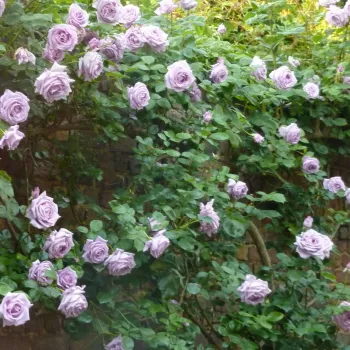
Bushy, upright shrub with moderately dense, light to medium green foliage and densely prickled stems; forms a substantial, structural plant for hedging, mass planting or background uses in family gardens. |
| Flower morphology |
Single, cupped blooms with about 5–12 petals, carried in clusters; large flower size for a species-type shrub; once-flowering in early summer, with good self-cleaning as petals fall cleanly after fading. |
| Colour data and phenology |
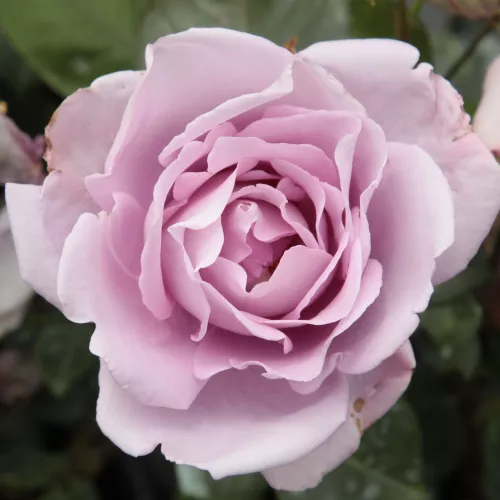
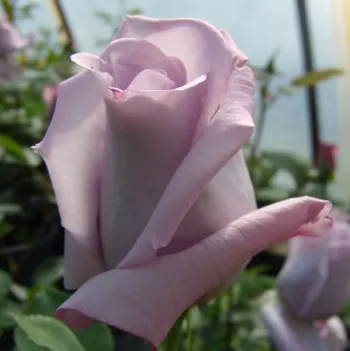
Fiery bicolour effect: orange-red upper petal surfaces and clear yellow reverses, with golden-yellow stamens; ARS colour code OR, RHS 30A outer and 32B inner; strong early-summer display, then green foliage mass. |
| Fragrance and aroma |
Rich, clearly perceptible scent with a sweet-spicy, slightly liquorice-anise character; fragrance is noticeable around the shrub in still conditions, adding an atmospheric layer to compact gardens or paths. |
| Hip characteristics |
Produces small, spherical orange-red hips about 8–10 mm across; ornamental in autumn and valued by birds and small mammals as a seasonal food source, extending wildlife interest beyond flowering. |
| Resistance and winter hardiness |
Very frost-hardy (RHS H6, USDA zone 3a, Swedish zone 6); tolerates heat and drought but needs deeper watering in prolonged dry spells; disease resistance moderate, with some susceptibility to black spot and mildew. |
| Horticultural recommendations |
Best in full sun with good air circulation; tolerates partial shade and poorer soils if drainage is adequate; plant at 110 cm for hedges, 180 cm for mass planting; monitor for foliar diseases and treat when required. |
ROSA FOETIDA BICOLOR offers vivid pollinator-friendly colour, wildlife-friendly hips and long-lived shrub structure on its own roots, making a thoughtful, enduring choice for a sustainable small garden.