BLAUWESTAD™ – mauve-lilac flowerbed floribunda rose - Interplant
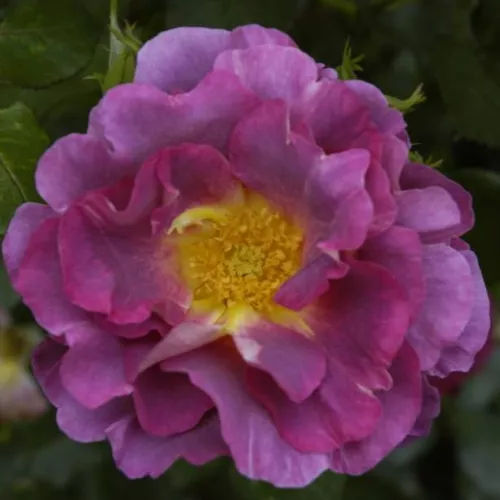
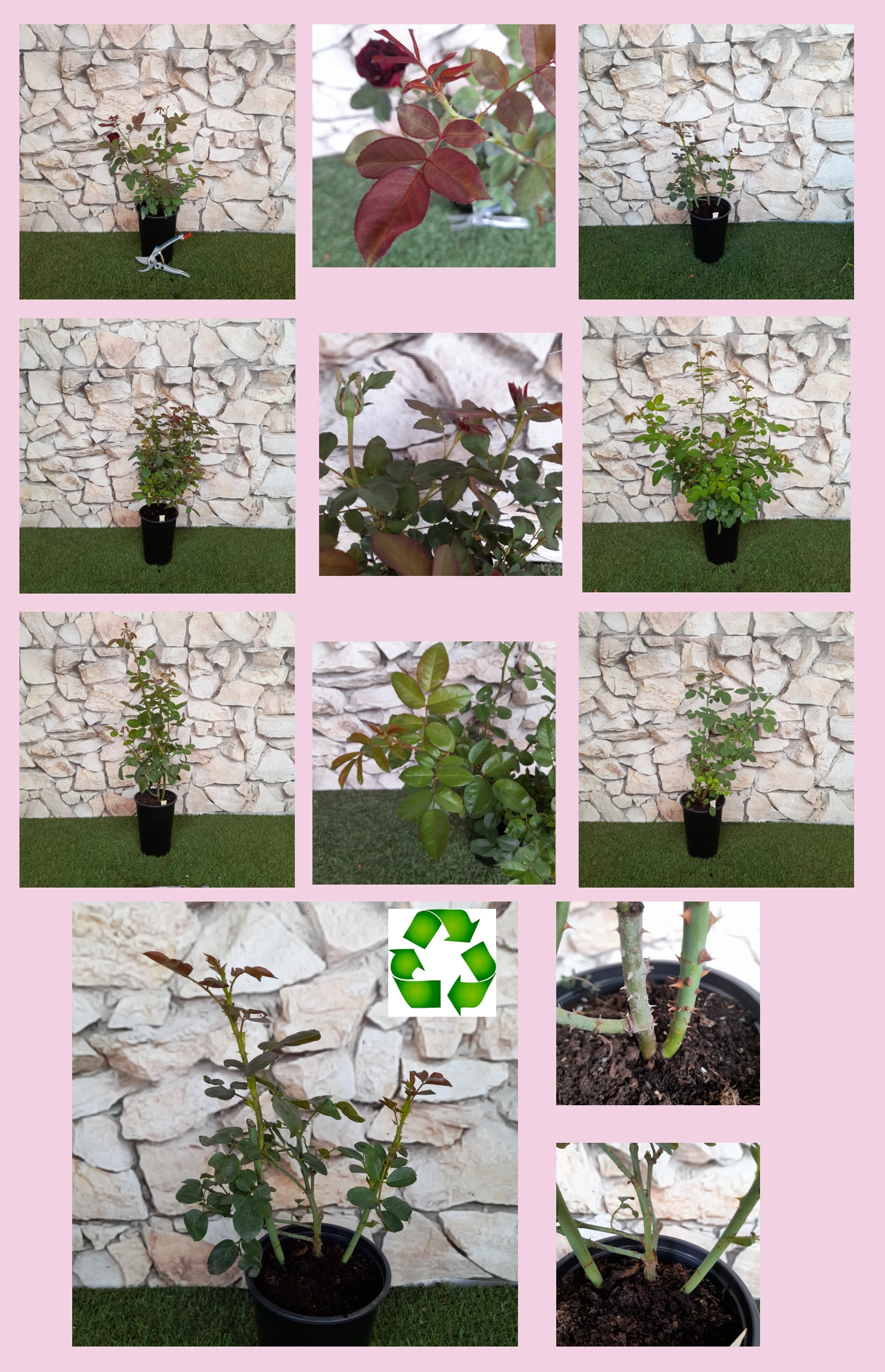
Step off the pavement and into mauve calm: BLAUWESTAD™ is a compact floribunda designed for today’s small, rain-aware front gardens, combining richly coloured blooms with reassuringly simple care. Semi-double, open flowers provide easy pollen access, helping visiting bees while you enjoy a strong, lingering fragrance that hangs in the air after summer showers and blustery coastal weather. As an own-root plant it builds a naturally stable framework, regenerating well from the base for a long, reliable lifespan. In year one it concentrates on roots, year two brings fuller shoots, and by the third season it settles into its complete ornamental character, forming a dense, upright shrub that blends effortlessly into sustainable, low-fuss planting schemes.
Usage options
| Target area | Reasoning |
|---|
| London terrace front garden |
Compact height and spread keep pathways clear while still delivering a visible band of mauve-lilac colour from the pavement. Own-root growth gives steady, long-term structure with minimal pruning for years of dependable enjoyment for the beginner. |
| Rainwater-friendly planting strip |
Dense upright growth works well in a gravel or mulched strip that soaks up roof run-off, while the root system copes well as long as water drains away after heavy rain in typical British clay soils for the urbanite. |
| Pollinator-supporting flower bed |
Semi-double, clustered blooms open to reveal stamens that are easy for bees and hoverflies to reach, extending their feeding window across repeat flushes through the season for the wildlife-lover. |
| Low, informal hedge |
Regular spacing at 40 cm creates a softly defined boundary with consistent height and dense foliage, and own-root resilience helps gaps to fill again if a stem is damaged for the homeowner. |
| Mixed “girly” border with perennials |
The mauve-lilac flowers pair beautifully with airy grasses and soft pastels, while the upright habit slots neatly between perennials without overcrowding them, keeping the overall effect light and romantic for the stylist. |
| Large patio container (40–50 L+) |
A generous, peat-free container supports strong root development and flowering on balconies or paved spaces, and the upright habit means one plant provides impact without dominating tight areas for the balcony-gardener. |
| Coastal or windy sites |
Firm, upright stems carry clusters of flowers without collapsing in wind, while slightly glossy foliage tolerates exposed conditions, provided regular watering is given during hotter spells for the seaside-resident. |
| Family garden play area edge |
Medium prickliness and moderate maintenance needs stay manageable at the border of a lawn or play zone, yet the long, scented flowering season offers clear visual and sensory interest for the busy-family. |
Styling ideas
- Terrace-Romance – Line a narrow front path with alternating BLAUWESTAD™ and soft Alchemilla mollis for frothy lime-green contrast – for London terrace owners wanting gentle, feminine colour.
- Rain-Garden-Edge – Combine with Persicaria and decorative gravel in a shallow swale so mauve blooms rise above foliage that happily drinks in downpours – for urban gardeners managing roof run-off.
- Pastel-Drift – Mix with pale pink roses and low nepeta to create a dreamy, bee-friendly haze along a front fence – for those seeking a soft, romantic welcome home.
- Modern-Container – Plant one rose in a 50 L clay pot with silver Artemisia and dwarf lavender for a structured, scented focal point – for balcony or patio users short on planting space.
- Family-Border – Thread BLAUWESTAD™ through a border of hardy perennials and ornamental grasses to give season-long colour at child-eye level – for families who like relaxed, low-effort planting.
Technical cultivar profile
| Parameter | Data |
|---|
| Name and registration |
Floribunda bedding rose marketed as BLAUWESTAD™ Bedding rose Interplant, belonging to the Bedding rose collection and exhibited as a shrub rose; commercial use focuses on decorative mass and group plantings. |
| Origin and breeding |
Bred by Interplant Roses BV in the Netherlands from ‘Amber Flush’ × ‘Rhapsody in Blue’; breeding and introduction around 2007, reflecting modern floribunda selection for colour impact and garden performance. |
| Growth and structural characteristics |
Forms an upright, moderately thorny shrub about 85–115 cm high and 60–80 cm wide, with dense, slightly glossy dark green foliage, giving a solid, medium-height structure within mixed borders and beds. |
| Flower morphology |
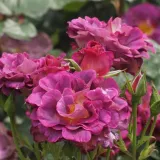
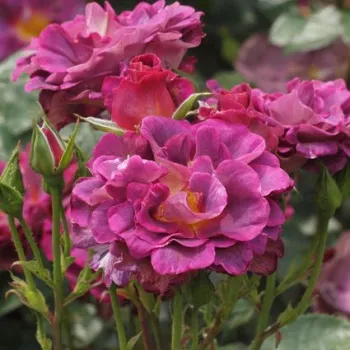
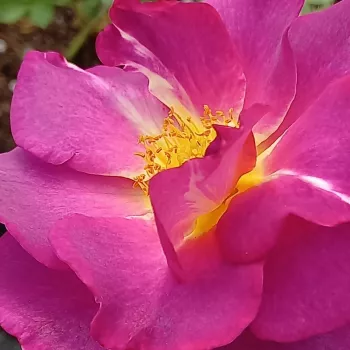
Semi-double, cup-shaped flowers with 13–25 petals are produced in clusters of medium size, repeating well with a plentiful second flush, ensuring decorative impact over a long main season in suitable conditions. |
| Colour data and phenology |
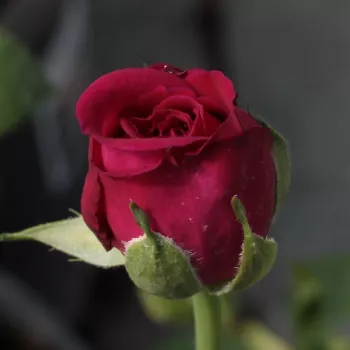
Mauve-purple blooms with crimson and lavender nuances; buds open dark purplish-crimson, then show mid-mauve tones before fading towards pale lavender, with colour shifting slightly depending on temperature and sunlight strength. |
| Fragrance and aroma |
Noted as a strongly scented rose with a long-lasting fragrance, adding sensory value in small gardens and near seating or entrances, although detailed fragrance notes and comparisons are not formally documented. |
| Hip characteristics |
Produces moderately abundant, ovoid orange-red hips, approximately 10–14 mm in diameter, which can extend seasonal interest into autumn and offer additional wildlife value where spent flowers are left unpruned. |
| Resistance and winter hardiness |
Hardy to around −21 to −18 °C (RHS H7, roughly USDA 6b), with moderate resistance to black spot, powdery mildew and rust, benefiting from good air circulation and basic preventive care in humid seasons. |
| Horticultural recommendations |
Best in full sun with free-draining soil; suitable for beds, groups, hedging and larger containers, spaced 40–80 cm apart depending on use, with moderate maintenance including occasional deadheading and disease checks. |
BLAUWESTAD™ offers richly mauve, strongly scented, pollinator-attracting blooms on a compact, long-lived own-root shrub that builds itself up steadily, making it a thoughtful choice for sustainable, low-effort family gardens.