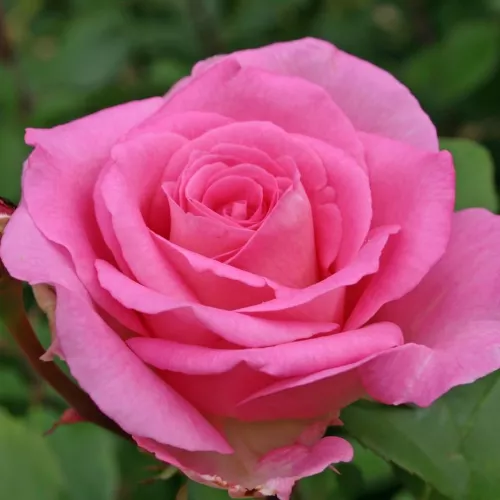
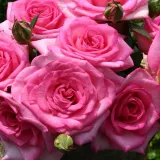
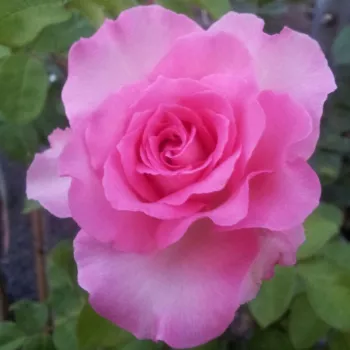
BEVERLY® – pink hybrid tea rose – Kordes
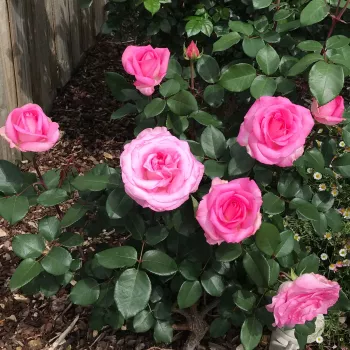
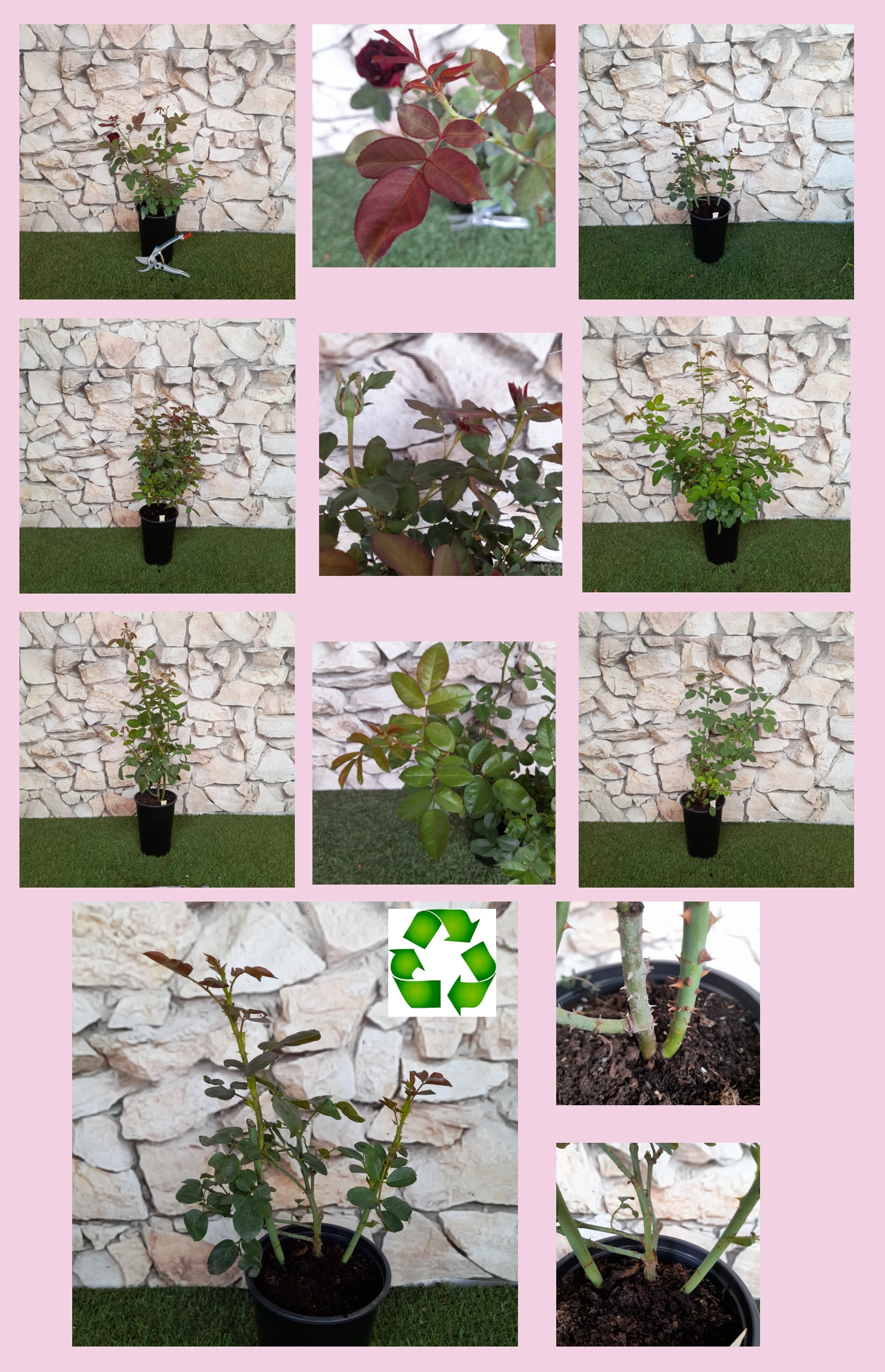
Step out after summer rain and meet BEVERLY: a classic, high‑centred hybrid tea rose with elegance in every perfectly formed bloom and a fragrance that fills even a small London front garden with citrus‑rose notes. Bred by Kordes for reliability, its upright, bushy habit fits narrow beds, small lawns and rainwater‑friendly gravel strips, coping steadily with exposed, breezy sites and damp, heavy soil that drains slowly after downpours. Own‑root plants develop stability and long‑term resilience, quietly building a strong underground framework in year one, then taller flowered shoots in year two, before revealing their full ornamental value and longevity by year three. In a 40–50 litre pot or a slim city border, the glossy dark green foliage gives a polished finish even between flushes, while regular deadheading keeps the exhibition‑quality pink flowers coming for months with minimal fuss.
Usage options
| Target area |
Reasoning |
| Narrow London front garden border |
The upright, bushy habit and medium height let you line a slim strip by the path without swamping the space, while the neat, high‑centred flowers read clearly from the pavement and the house, suiting busy urban homeowners |
| Feature rose by the front door |
Very strong citrus‑rose perfume creates a welcoming cloud of scent exactly where you pass most often; one or two plants near the step turn routine comings and goings into a small daily ritual for fragrance‑loving beginners |
| Statement container on balcony or patio |
In a 40–50 litre pot with good drainage, this hybrid tea forms a dense, glossy shrub with large, showy blooms, providing a long‑season focal point that remains manageable for time‑pressed container gardeners |
| Cutting patch in a family garden |
High‑centred, long‑stemmed flowers with exhibition form and excellent scent are ideal for home‑cut bouquets; regular picking naturally replaces fiddly deadheading, simplifying care for home bouquet enthusiasts |
| Small mixed rose or perennial bed |
Medium vigour, tidy structure and repeat flowering make it easy to weave among favourites such as lavender or nepeta, giving months of pink colour without dominating, well suited to casual family gardeners |
| Rain‑aware urban front garden redesign |
Works well in slightly raised, free‑draining beds or gravel strips that slow and spread heavy downpours before they reach the drain, easing water management for sustainability‑minded city owners |
| Low line of specimen roses along a path |
Planted at the recommended spacing, individual shrubs keep their own clear outline yet read as a gentle avenue of repeating pink cups, giving structure with relatively few plants to design‑conscious homeowners |
| Long‑term “keeper” rose in a settled garden |
Own‑root plants build strength year by year, with no graft union to fail and reliable regrowth from the base if cut back hard after winter or damage, offering durable enjoyment to practical long‑term planners |
Styling ideas
- TerraceWelcome – Pair a single BEVERLY® by the front step with soft grasses and slate chippings for a clean, rain‑permeable entrance – ideal for style‑conscious city homeowners.
- GirlyRibbon – Create a pink “ribbon” with BEVERLY® and low lavender edging in a narrow front border – perfect for those who like romantic, tidy planting.
- BalconyBouquet – Grow one plant in a 50‑litre clay pot with trailing alyssum for a living cut‑flower corner – suited to balcony gardeners wanting impact from one container.
- EveningPath – Line a short path with spaced shrubs under‑planted with nepeta to brush against for scent – for families who enjoy evening strolls in the garden.
- ModernMix – Combine BEVERLY® with verbena and anemones in a gravel bed for a contemporary, rain‑aware front garden – aimed at urban owners favouring sustainable, low‑lawn designs.
Technical cultivar profile
| Property |
Data |
| Name and registration |
Hybrid tea rose from the Eleganza® collection; registered as KORpauvio and traded as Beverly® Eleganza®. Classified as an exhibition hybrid tea for garden and cutting use. |
| Origin and breeding |
Bred by Wilhelm Kordes III. Parentage combines ‘The McCartney Rose’ with an unnamed seedling, introduced after 2008 by W. Kordes’ Söhne in Germany for garden and cut‑flower markets. |
| Awards and recognition |
Winner of the Pauline Merrell Award and Cornelia Vanderbilt Cecil Award at Biltmore International Rose Trials 2013, plus Golden Rose of The Hague Golden Rose Award 2013. |
| Growth and structural characteristics |
Upright, bushy shrub reaching about 100–140 cm high and 70–110 cm wide, with dense, glossy dark green foliage and moderate prickles, forming a well‑filled yet compact garden presence. |
| Flower morphology |
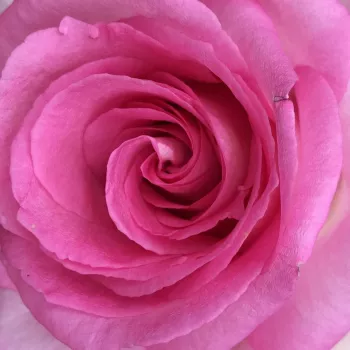
Large, solitary, very double blooms with over 40 petals, high‑centred and pointed in classic cut‑rose style, remontant with generous repeat flushes when regularly deadheaded or lightly cut back. |
| Colour data and phenology |
Even pink flowers, deeper in bud, opening to mid‑pink then gently fading towards pastel tones with a light silvery sheen; colour retention moderate, maintaining garden effect over extended flowering. |
| Fragrance and aroma |
Very strong, garden‑filling perfume combining classic rose tones with clear citrus notes, noticeable in still air and along paths; developed as a feature scent for both garden enjoyment and cut stems. |
| Hip characteristics |
Occasional small hips, around 10–14 mm, ovoid and orange‑red; not produced in great quantity and mainly of incidental ornamental interest rather than a key feature of the cultivar. |
| Resistance and winter hardiness |
Hardy to around −26 to −23 °C (RHS H7; Swedish zone 4; USDA 5b) with moderate resistance to black spot, mildew and rust; benefits from good air flow and routine hygiene in damp climates. |
| Horticultural recommendations |
Best in sunny positions with well‑drained soil; suitable for beds, specimens, hedges or large containers. Medium maintenance, needing occasional plant protection and regular deadheading for best display. |
BEVERLY® combines exhibition‑quality pink blooms, powerful perfume and a compact habit with the quiet durability of an own‑root rose, making it a thoughtful long‑term choice if you would like one special feature plant.