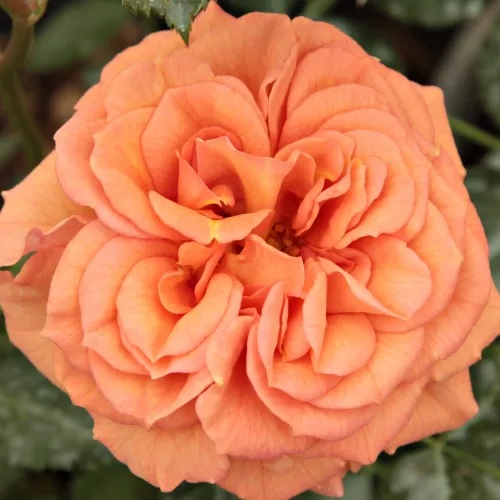
BENTHEIMER GOLD ® – orange bedding floribunda rose - Kordes
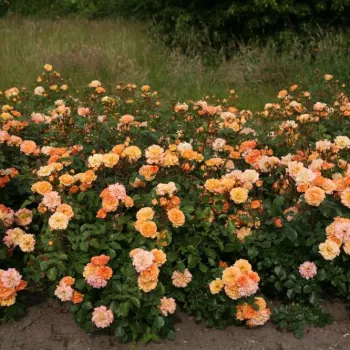
With its rich orange blooms and medium-height, bushy habit, BENTHEIMER GOLD ® offers a harmonious balance of colour and structure for small London front gardens where space is precious yet impact matters. This floribunda forms dense, upright beds that look tidy from the pavement, while its medium-strong, fruity fragrance creates the sense of walking a narrow path in post-rain perfume. As an own-root plant, it is grown for long-term longevity, quietly rebuilding from the base if stems are damaged and supporting a stable shape over the years. Planted once and watered mainly with harvested rain, it suits urban gardeners coping with heavy showers and ensuring runoff is controlled on challenging clay soils prone to holding water. In its first season it settles and extends its roots, in the second it fills out with more shoots, and by the third year it shows its full ornamental value as a glowing, structured feature in your family garden.
Usage options
| Target area |
Reasoning |
| Front-garden bedding strip in a terraced street |
The compact, bushy and upright habit keeps the planting line neat along front boundaries, while the dense foliage provides a solid green backdrop for the orange flowers. With moderate self-cleaning, the beds keep a reasonably smart appearance between visits, ideal for busy householders seeking reliable impact with limited time for deadheading, particularly suitable for beginner-gardeners |
| Small ornamental hedge or low divider |
Planted at the recommended hedging distance, the uniform height and dense branching create a soft, living edge to separate driveways from paths or define a tiny front-garden seating area. Own-root plants help the hedge recover evenly from occasional harder pruning or accidental damage, giving a stable, long-lived line of colour and structure, a reassuring choice for family-owners |
| Statement feature in a mixed urban flowerbed |
The warm orange to apricot-yellow colour evolution works as a focal point among cooler-toned companions like lavender, nepeta or ornamental grasses, giving a contemporary look while remaining welcoming. Repeat flowering with a good second flush ensures that this feature does not fade after early summer, providing a long season of interest for compact city gardens valued by style-conscious |
| Rainwater-conscious planting near downpipes or soakaways |
In gardens where heavy showers and roof run-off are common, this rose combines well with free-draining subsoil and moisture-loving companions to help manage water visibly and attractively. Its bushy form and repeated flowering offer structure above improved drainage layers on difficult ground, echoing the idea of using planting to support stormwater control for eco-minded |
| Sunny, sheltered courtyard or patio bed |
Best results come in full sun with some shelter from the harshest wind, where its medium drought tolerance and own-root vigour allow it to cope with warm, reflective surfaces. The consistent flowering and notable scent turn compact courtyards into intimate, scented rooms outdoors, well suited to those who relax outside after work, especially appealing for urban-professionals |
| Container planting in large pots from 40–50 litres |
In sizeable containers with quality peat-free compost and careful feeding, the rose’s upright architecture and clustered, double blooms create a strong vertical accent beside doors or on balconies. Own-root plants adapt and reshoot from the base if the top growth is ever winter-damaged or cut back hard, giving a durable potted feature appreciated by balcony-owners |
| Colour-coordinated “girly” planting with soft perennials |
The peachy-orange tones combine charmingly with pinks, creams and airy textures such as foxgloves and ornamental grasses, building a gentle, feminine look without appearing overly formal. Remontant flowering underpins this effect from early summer into autumn, keeping the border looking curated rather than fleeting for colour-lovers |
| Family garden focal point viewed from indoors |
Placed where it is visible from kitchen or living-room windows, the steady flowering rhythm and noticeable fragrance provide a changing yet dependable view through much of the season, lifting everyday routines. As an own-root shrub, it matures gradually into a long-lived feature with enduring ornamental value, reassuring when planning for many years of use in a home shared by young-families |
Styling ideas
- Golden-terrace – Line a small London front path with a double row of BENTHEIMER GOLD ® underplanted with low lavender for scent and a tidy, structured welcome – for homeowners wanting simple, classic charm.
- Peach-border – Combine this rose with soft pink foxgloves and airy ornamental grasses to create a gentle, “girly” cottage-style border that still looks clean and modern – for romantically inclined urban gardeners.
- Courtyard-glow – Position one or three specimens in generous 50-litre pots near seating, pairing with nepeta or dwarf sage to echo the warm orange tones – for small-space dwellers seeking an evening retreat.
- Rain-haven – Plant in a slightly raised bed near a downpipe with gravel and moisture-tolerant companions to display decorative, rain-friendly planting that also manages run-off – for eco-conscious city householders.
- Family-focus – Use a trio in a sunny lawn island bed where children play, surrounding with low grasses for movement and easy mowing edges – for busy families wanting lasting colour with straightforward care.
Technical cultivar profile
| Parameter |
Data |
| Name and registration |
Floribunda bed rose, registered as KORbentgol, traded as Bentheimer Gold ® (RigoRosen®). Exhibition shrub/bed rose category; ARS approved exhibition name Bentheimer Gold®. |
| Origin and breeding |
Bred by Tim-Hermann Kordes (Germany) from an unknown Kordes seedling × ‘Gebrüder Grimm’. Introduced and registered in 2015 by W. Kordes’ Söhne after 2001 breeding work. |
| Awards and recognition |
ADR General German Rose Trials 2015; La Tacita Gold Medal 2016 (groundcover); Baden-Baden Bronze Medal 2016; Bagatelle Paris Certificate of Merit 2017, confirming strong garden merit. |
| Growth and structural characteristics |
Bushy, upright habit, 55–80 cm high and 60–85 cm spread, with dense, slightly glossy dark green foliage (RHS 146B). Moderately thorny stems; moderate self-cleaning of spent blooms. |
| Flower morphology |
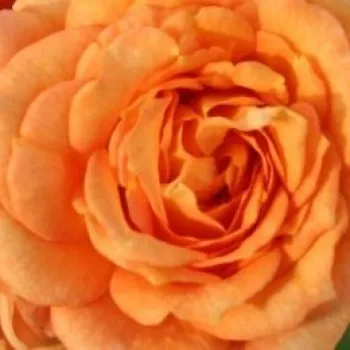
Medium-sized, very double, cupped flowers in clusters, typically over 40 petals. Recurrent, remontant flowering with a particularly abundant second flush, giving a prolonged ornamental season. |
| Colour data and phenology |
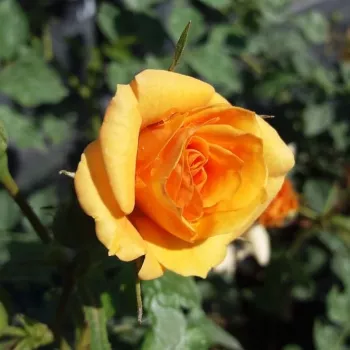
Vibrant orange with peach undertone (RHS 24B, 23A; ARS ob). Buds open bright orange, then warm golden-orange at full bloom, fading gradually to soft apricot-yellow, more strongly in intense sun. |
| Fragrance and aroma |
Medium-strength, sweet, fruity fragrance, clearly noticeable at close distance and around seating areas in still weather. Developed as an ornamental variety with scent complementing its vivid flower colour. |
| Hip characteristics |
Due to the very double flower form, hip production is sparse and occasional only. Any hips formed are small, approximately 0–5 mm diameter, and contribute little to the overall garden effect. |
| Resistance and winter hardiness |
Hardy to approximately -21 to -18 °C (RHS H7, USDA 6b, Swedish zone 3). Disease resistance low, with high sensitivity to powdery mildew and black spot, requiring regular preventive plant protection. |
| Horticultural recommendations |
Best in sunny, airy sites with well-drained, improved soil and regular feeding. Recommended spacing: 50 cm in beds, 40 cm for hedges, 75 cm as specimens; around 4–4.6 plants per m² for mass planting. |
BENTHEIMER GOLD ® offers long-season orange flowering, compact structure and own-root resilience in family gardens and larger containers, a considered option if you seek durable colour with manageable care needs.