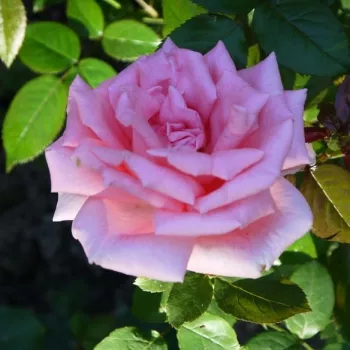
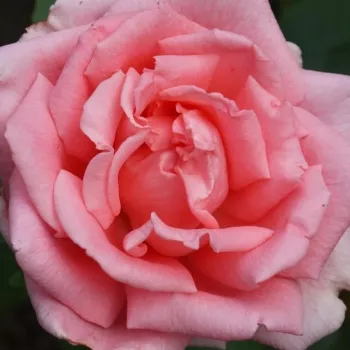
BELLE DE LA CARNIERE – pink hybrid tea rose – Ducher
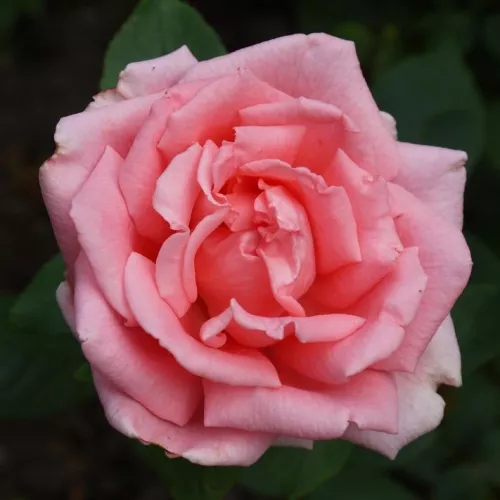
Step off the busy pavement into a small, rain‑fed garden and meet balance in the clear, medium‑pink blooms of BELLE DE LA CARNIERE, a refined hybrid tea rose designed for easy‑care London terraces and family fronts where clay soil and frequent showers demand dependable resilience. Its semi‑double, high‑centred flowers are perfect for simple home arrangements, while the upright, compact habit fits narrow beds, path‑edges and large containers, keeping your space feeling ordered and elegant. As an own‑root plant, it establishes steadily and offers long‑term renewal, so once planted you can enjoy season‑after‑season structure with only light routine care. In the first year it concentrates on roots, the second on framework and flowering, and by the third it reaches full ornamental presence, settling naturally into a sustainable, low‑input corner of your plot. Medium disease tolerance and sparse thorns support relaxed maintenance, while its H7 hardiness suits much of the UK for a long‑lived, quietly luxurious investment in your front‑garden scene and a sustainable sense of calm.
Usage options
| Target area | Reasoning |
|---|
| Front garden focal point |
The upright, hybrid‑tea form and refined medium‑pink blooms create a clear vertical accent beside a pathway or gate, giving a composed, grown‑up focal point that still feels softly romantic for the beginner‑to‑keen‑home‑gardener. |
| Clay‑soil family flowerbed |
Once drainage is improved, this rose offers steady performance in typical British clay, building a durable framework and returning each year with reliable colour that copes well with our cool, wet spells for the busy‑but‑style‑conscious‑gardener. |
| Rain‑friendly urban border |
Ideal beside a downpipe or rain‑garden swale where water collects briefly, its own‑root system adapts over time, turning intermittent heavy showers into healthy growth with minimal intervention for the urban‑sustainability‑enthusiast. |
| Large container on balcony or patio |
In a 40–50 litre peat‑free container this upright rose keeps a tidy footprint, giving long‑season flower interest and a touch of formality without dominating compact outdoor rooms for the small‑space‑city‑gardener. |
| Cut‑flower corner |
The long, straight stems, high‑centred buds and semi‑double form make it a natural for home‑grown bouquets, offering classic hybrid‑tea style with a gentle scent and good vase impact for the home‑flower‑arranger. |
| Low‑input specimen planting |
Planted as a single specimen at generous spacing, it develops a well‑structured, upright shrub whose own‑root resilience supports a long lifespan and relatively simple annual care for the time‑pressed‑yet‑quality‑minded‑owner. |
| Structured mixed border |
Its medium height and dark foliage provide a calm, repeatable framework that pairs well with airy perennials like lavender or nepeta, bringing balanced form without visual clutter for the design‑conscious‑home‑gardener. |
| Coastal or exposed plot |
Sturdy, upright growth and reliable hardiness give a reassuring backbone where wind and driving rain are regular visitors, supporting a stable, long‑term planting plan for the coastal‑and‑weather‑aware‑gardener. |
Styling ideas
- Front‑door elegance – Pair one or two plants in narrow beds with lavender and low box for a quietly formal entrance – for homeowners who like a composed, classic welcome.
- Balcony calm – Grow in a 40–50 litre container with trailing thyme and nepeta to soften the pot edge – for flat dwellers wanting structured colour in a compact space.
- Cutting strip – Line a sunny side path and interplant with airy grasses so stems are easy to pick for vases – for DIY florists who enjoy regular home arrangements.
- Rain‑garden ribbon – Position along a shallow swale with sage and ornamental grasses to harness roof run‑off attractively – for eco‑minded gardeners managing urban rainfall.
- Pastel border – Combine with campanulas, oxeye daisies and pale pink peonies for a soft, romantic, yet ordered scheme – for those who favour gentle colour with clear structure.
Technical cultivar profile
| Characteristic | Data |
|---|
| Name and registration |
BELLE DE LA CARNIERE is a hybrid tea rose, commercial type and group hybrid tea; current trade name Belle de la Carniere Hybrid tea rose Ducher, approved exhibition name Belle de la Carnière. |
| Origin and breeding |
Bred by Fabien Ducher, Pépinières & Roseraie Ducher, France; introduced 2007. Parentage is unknown. The cultivar name honours Parc de la Carnière in Saint‑Priest near Lyon. |
| Growth and structural characteristics |
Upright shrub, approximately 100–140 cm tall with 70–95 cm spread, medium‑dense dark green foliage and sparse prickles, giving a relatively easy‑to‑handle structure in family gardens. |
| Flower morphology |
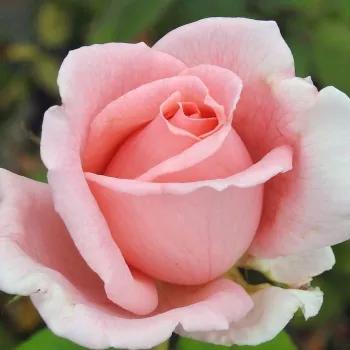
Semi‑double blooms with 13–25 petals, large high‑centred, pointed buds on mainly solitary stems; remontant, giving a generous second flush suitable for cutting and garden display. |
| Colour data and phenology |
Medium pink with lilac tint; rich warm pink in opening, lightening to cooler lavender‑veiled tones. Outer petals become paler and slightly purplish before fading, maintaining interest as blooms age. |
| Fragrance and aroma |
Light, rosy fragrance of mild strength; enough to notice at close range without overwhelming small seating areas or indoor spaces when used as a cut flower in simple arrangements. |
| Hip characteristics |
Occasional spherical hips, approximately 10–14 mm diameter, orange‑red when ripe, adding a discreet late‑season note without significantly affecting flowering performance in typical garden use. |
| Resistance and winter hardiness |
Medium disease resistance to powdery mildew, black spot and rust; hardy to around −21 to −18 °C (RHS H7, USDA 6b, Swedish zone 3), suitable for most UK regions with standard care. |
| Horticultural recommendations |
Best in flowerbeds, as a specimen or for cutting. Moderate maintenance; occasional plant‑protection treatments may be required. Recommended spacing 50–90 cm depending on mass, hedge or specimen planting. |
BELLE DE LA CARNIERE offers elegant blooms, upright structure and long‑term reliability in an own‑root form that matures steadily, making it a thoughtful choice if you value enduring, quietly refined planting.