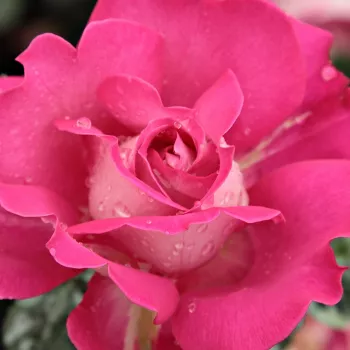
BARONNE E. DE ROTHSCHILD – pink hybrid tea rose - Meilland
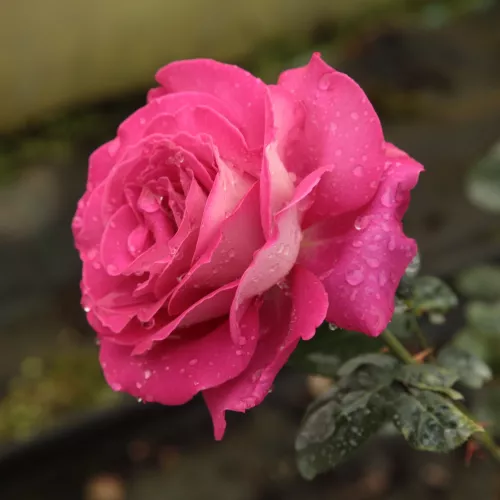
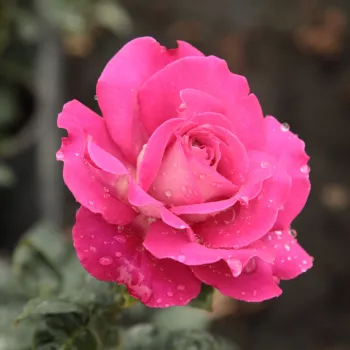
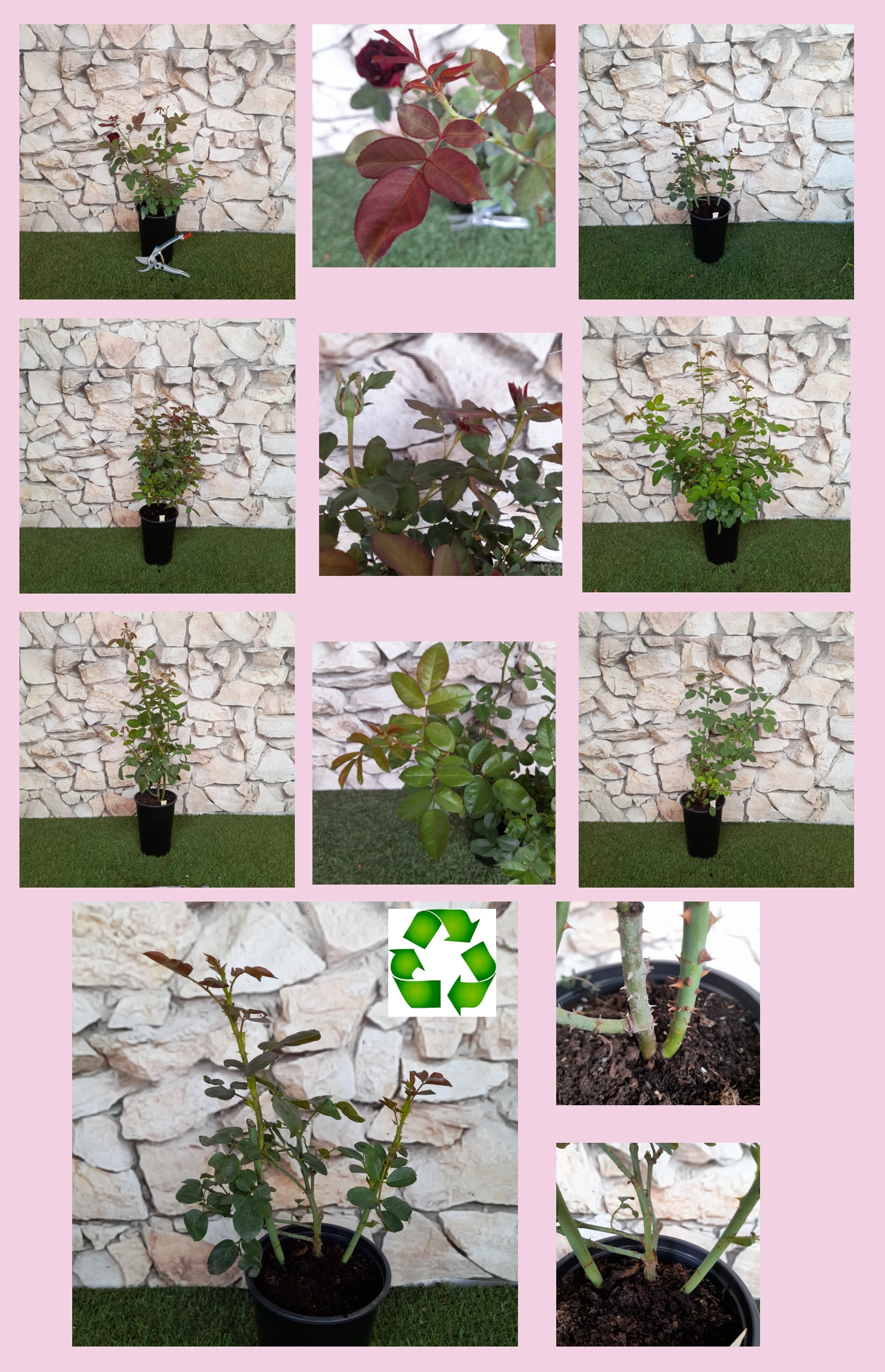
Imagine stepping out after rain into a London front garden where the path is edged with tall, perfectly shaped blooms and a deep damask fragrance that hangs in the air; BARONNE E. DE ROTHSCHILD offers precisely this, with repeat-flowering elegance on a strong, upright framework ideal for narrow borders that face wind and wet weather typical of British streets, yet still thrive with thoughtful drainage on heavier soils. Large, goblet-shaped flowers in rich magenta-pink with a cool, silvery contrast on the reverse of each petal give real visual drama from the pavement, while dense, glossy foliage adds year-round structure and a sense of permanence to compact urban plots. Grown on its own roots in the pharmaROSA® ORIGINAL 2-litre pot, this rose is designed for a long, steady lifespan, rebuilding from the base if ever damaged and settling in reliably as roots develop in year one, top growth strengthens in year two and full ornamental value appears by year three, giving you generous cutting-quality blooms for the vase with only straightforward maintenance.
Usage options
| Target area | Reasoning |
|---|
| Front garden focal specimen |
Plant as a single specimen near the front door or along a narrow path where its tall, upright habit and very large, exhibition-quality blooms can be appreciated at eye level; ideal for those wanting maximum effect from one plant in a small space, including the paraphrased benefit of coping well with blustery showers and typical urban downpours, perfect for the homeowner. |
| Cutting bed for home bouquets |
BARONNE E. DE ROTHSCHILD was bred for hybrid tea form, giving long stems, high-centred buds and a very strong damask scent that holds indoors; repeat flowering provides a regular supply of classic magenta-pink roses for vases with minimal specialist know-how, appealing to the enthusiastic beginner. |
| Mixed border backbone in family garden |
Use as a structural “backbone” rose in mixed borders with perennials such as lavender, nepeta or hardy salvias; its dense, glossy foliage and upright shape create a reliable vertical accent that reads well from windows year-round, supporting the busy gardener. |
| Low hedge along paths or driveways |
Planted at the recommended closer spacing, this cultivar forms a low, formal line of rich pink blooms and lustrous foliage, smartening up front boundaries without needing constant clipping; ideal for those seeking order and kerb appeal with limited time, suiting the practical owner. |
| Large container on terrace or balcony |
In a 40–50 litre peat-free container with good drainage, this rose performs well on sunny terraces or balconies, where its fragrance and colour are brought close to seating; own-root vigour supports long-term pot culture with straightforward seasonal care, ideal for the urban dweller. |
| Rainwater-conscious urban planting |
Positioned in a permeable, gravel-mulched strip with companion plants that enjoy the same conditions, this rose fits into rainwater-conscious front gardens that avoid solid paving; its moderate care needs suit those adopting sustainable choices without complex techniques, supporting the eco-minded householder. |
| Showpiece for rose enthusiasts |
With multiple historic medals from major European rose trials and a form still admired on the show bench, this cultivar rewards regular deadheading and occasional grooming with exhibition-quality blooms, making it a satisfying project for the detail-oriented collector. |
| Long-term feature in established beds |
As an own-root, winter-hardy hybrid tea, this rose is well suited to long-term planting in established borders, regenerating from the base if pruned hard or weather-damaged and maintaining its ornamental value over many seasons, reassuring the long-view planner. |
Styling ideas
- Terrace-Theatre – Group two or three plants in large matching containers flanking French doors, underplanted with trailing nepeta for softness – ideal for flat-dwellers wanting a seasonal “open-air theatre” of scent.
- Regency-Front – Line a short townhouse path with a low hedge of this rose and a lavender edging for formality and fragrance – suited to owners of period terraces seeking classic frontage without intricate design.
- Magenta-Canvas – Use as tall accents in a narrow mixed border with white obedient plant and pale grasses – for those who like modern, painterly colour blocks in compact gardens.
- Evening-Cut – Dedicate a small bed to three bushes spaced as recommended, purely for cutting, with stepping stones for easy access – perfect for hobby florists who enjoy arranging perfumed home-grown stems.
- Front-Rain-Garden – Combine with nepeta, sage and permeable gravel between plants so rainfall drains through rather than running off – aimed at urban gardeners turning small front plots into greener, water-wise spaces.
Technical cultivar profile
| Parameter | Data |
|---|
| Name and registration |
Hybrid tea rose, registered as MEIgriso, marketed as BARONNE E. DE ROTHSCHILD with ARS exhibition name Baronne Edmond de Rothschild, supplied here as an own-root pharmaROSA® ORIGINAL plant. |
| Origin and breeding |
Bred by Marie-Louise Paolino Meilland for Meilland International, France, from (Baccará × Crimson King) × Peace; bred and registered in 1968 and introduced to the market from 1969. |
| Awards and recognition |
Highly decorated 1960s hybrid tea: Gold Medals at Rome, Le Roeulx and Lyon, plus Fragrance Cup at Le Roeulx and Silver Medals at Geneva and Courtrai, confirming both form and scent quality. |
| Growth and structural characteristics |
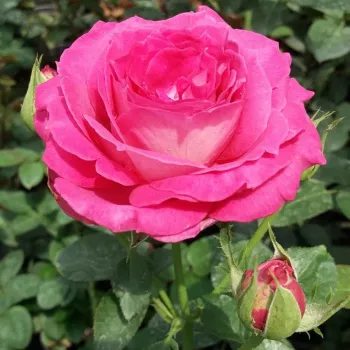
Vigorous, upright plant reaching about 95–125 cm high and 70–90 cm wide, moderately thorny, with dense, glossy, dark bronze-green foliage providing strong structure in borders and hedging lines. |
| Flower morphology |
Very large, double, high-centred to goblet-shaped blooms with 26–39 petals carried mainly in small clusters, remontant with a notably abundant second flush after the main early summer flowering. |
| Colour data and phenology |
Deep pink to crimson inner petals contrast with silvery-white reverses; colour deepens in cool weather, softens slightly in strong sun, maintaining good retention and a striking bicolour effect through opening and fade. |
| Fragrance and aroma |
Strong, classic damask fragrance of “old rose” character, easily detectable at a distance in still conditions; ideal for planting near paths, doors or seating areas where passing scent is especially appreciated. |
| Hip characteristics |
Rose hips are usually minimal due to regular deadheading of show blooms; any that form are small spherical red hips around 8–12 mm across, adding only a modest late-season visual detail. |
| Resistance and winter hardiness |
Rated to about −21 to −18 °C (RHS H7, USDA 6b, Swedish Zone 3); good general disease resistance, notably to black spot and powdery mildew, with moderate susceptibility to rust in some seasons. |
| Horticultural recommendations |
Best in full sun with fertile, well-drained soil; water regularly in dry spells, deadhead to encourage repeat flowering and lightly prune annually to maintain shape and promote strong, replacement flowering shoots. |
BARONNE E. DE ROTHSCHILD offers exhibition-quality, powerfully scented blooms and strong, upright structure on a durable own-root plant that will reward steady care for many years, making it a thoughtful choice for front gardens and terraces.