BARMACREME – apricot-pink hybrid tea rose – Barth
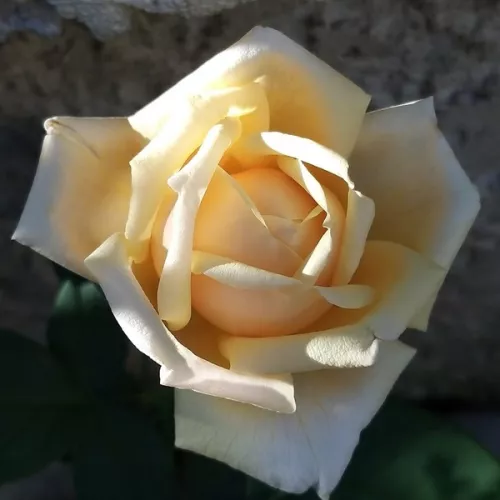
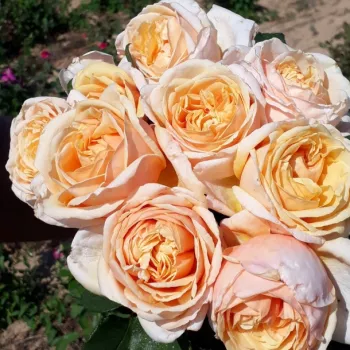
Imagine your London front garden after rain, paths glistening and borders quietly refreshed: Barmacreme settles in as a calm, creamy presence, its large cupped blooms shifting from pastel peach-pink to soft ecru. This upright hybrid tea forms a compact, medium-height bush that fits beautifully beside a narrow path or in a small, rainwater-wise border where the soil shrugs off wet spells and wind with reassuring steadiness. Own-root plants establish gradually yet securely, rewarding you with a long-lived, regenerating structure and dependable flowering rhythm that suits busy lives. In a roomy 40–50 litre pot or open ground, you can enjoy strong, classic fragrance without high-maintenance demands, as moderate care is enough to keep its foliage and blooms impressive. Year by year it deepens its role in the garden scene, with roots bedding in, shoots building a balanced framework, and by the third season reaching full ornamental impact for an elegant yet easy front-garden focal point that feels quietly sustainable.
Usage options
| Target area | Reasoning |
|---|
| Small to medium London front gardens |
The compact, upright habit and medium height make Barmacreme ideal where space is tight yet you still want a clear focal point by the door, paired with simple medium-care routines that suit busy urban owners. |
| Rainwater-conscious borders on heavier soils |
Once established in improved clay or chalky ground with good drainage, this own-root shrub forms a stable, long-lived framework that copes reliably with periods of wet, windy weather for sustainability-minded gardeners. |
| 40–50 litre containers on terraces or balconies |
In a generous pot with peat-free compost, Barmacreme’s strong root system supports XL hybrid tea blooms and dense foliage, giving a refined, vertical accent without demanding constant specialist care for city balcony users. |
| Narrow path and front-step planting |
Solitary, very double flowers on upright stems read clearly from the pavement, offering a classic welcome in small spaces while moderate pruning and feeding keep results reliable for time-poor homeowners. |
| Feature rose in mixed pastel planting |
The large, cupped, peach-cream blooms bring a “girly” softness that blends easily with lavender, bluebeard and sage, creating an elegant, timeless look with just seasonal deadheading for style-conscious beginners. |
| Long-term structural planting in family gardens |
As an own-root rose, Barmacreme regenerates well from the base, maintaining shape and flower quality over many years, so a single planting can become a reliable, enduring feature for long-view planners. |
| Low-fuss rose bed with clear care guidance |
With moderate disease resistance and straightforward pruning needs, this variety suits gardeners who appreciate simple, expert-backed instructions to keep foliage healthy without complex regimes for practical novices. |
| Season-by-season developing rose scheme |
Planted young in the 2-litre format, it builds roots in the first season, stronger shoots in the second, and a full, elegant display in the third, rewarding patient, curious new gardeners. |
Styling ideas
- Pastel Welcome – Line a narrow front path with Barmacreme and English lavender for a soft, scented entrance – ideal for homeowners wanting an inviting, feminine first impression.
- Balcony Focus – Plant one bush in a 50 litre pot with low Nepeta spilling over the rim to frame its XL blooms – suited to urban balcony gardeners seeking one strong focal rose.
- Calm Accent – Use Barmacreme as a single specimen in a small lawn island with gravel mulch to echo rainwater-wise design – for design-led owners favouring simple, structured planting.
- Romantic Ribbon – Create a short hedge at 50–60 cm spacing, underplant with Salvia nemorosa to contrast foliage and extend flower interest – perfect for families wanting a neat yet romantic border.
- Clay-Tolerant Mix – In improved heavier soil, combine Barmacreme with bluebeard and grasses for movement and year-round structure – great for busy gardeners dealing with typical suburban clay.
Technical cultivar profile
| Parameter | Data |
|---|
| Name and registration |
Hybrid tea rose marketed as Barmacreme – apricot-pink hybrid tea rose – Barth; part of the Hybrid tea rose commercial group, with verified cultivar authenticity for reliable, consistent garden performance. |
| Origin and breeding |
Bred in France by René Barth around 2017, with parentage not recorded; introduced as a modern hybrid tea selected for flower size, colour refinement and garden suitability rather than exhibition showbench use. |
| Growth and structural characteristics |
Forming an upright, bushy shrub 80–110 cm high and 50–70 cm wide, with mid-green, slightly glossy foliage and moderate prickles, providing a compact yet substantial structure suited to front gardens and containers. |
| Flower morphology |
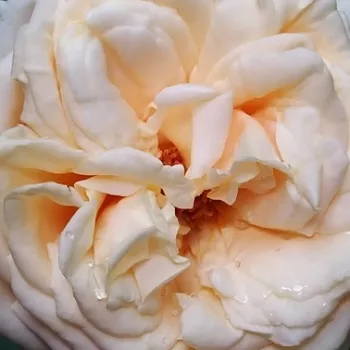
Very double, cupped, XL-sized solitary blooms with more than 40 petals; repeat flowering is strong, with abundant second flushes through the season on upright stems ideal for cutting and garden display. |
| Colour data and phenology |
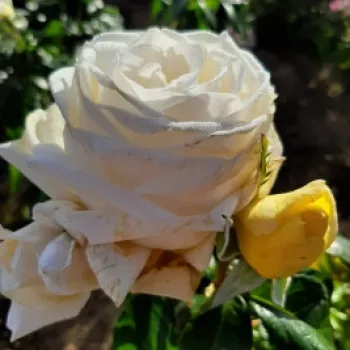
Pastel cream outer petals (RHS 158D) with peach-pink centres (RHS 36D), deepening slightly at full bloom then fading to creamy ecru; colour retention moderate, with gentle transitions creating a refined, blended effect. |
| Fragrance and aroma |
Classic rose fragrance with an English-rose character, strong but not overpowering; the scent is noticeable on still days near paths or seating, enhancing small gardens without becoming cloying in enclosed spaces. |
| Hip characteristics |
Hip set is generally low because of the very double blooms; where produced, hips are small, spherical, about 10–14 mm across, orange-red (RHS 40A), and add modest late-season interest without prolific seeding. |
| Resistance and winter hardiness |
Rated to approximately −21 to −18 °C (RHS H7, USDA 6b, Swedish Zone 3) with moderate resistance to black spot, powdery mildew and rust, benefiting from standard preventative care in humid or high-pressure areas. |
| Horticultural recommendations |
Plant 50–95 cm apart depending on hedge or specimen use, in well-drained soil; maintenance is medium-level, with routine feeding, pruning and occasional disease control to support repeat flowering and foliage quality. |
Barmacreme brings large, fragrant pastel blooms on a compact, long-lived own-root shrub that settles steadily into front gardens or generous containers, a thoughtful choice if you prefer enduring beauty with manageable care.