BARGIRA® – yellow-pink hybrid tea rose - Barni
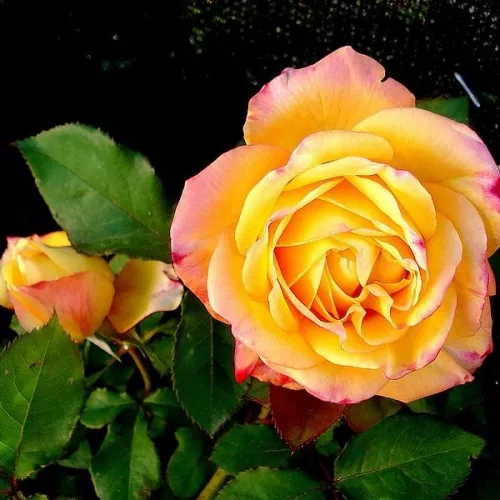
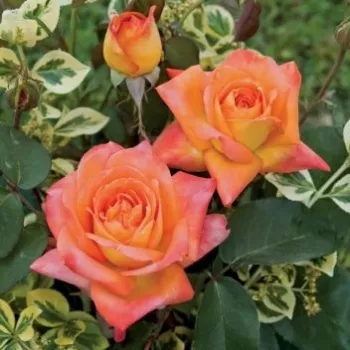
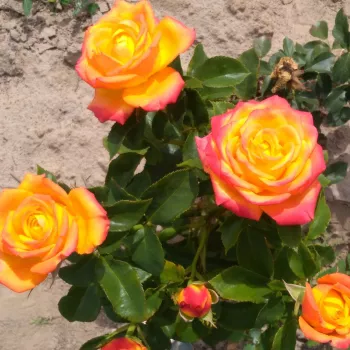
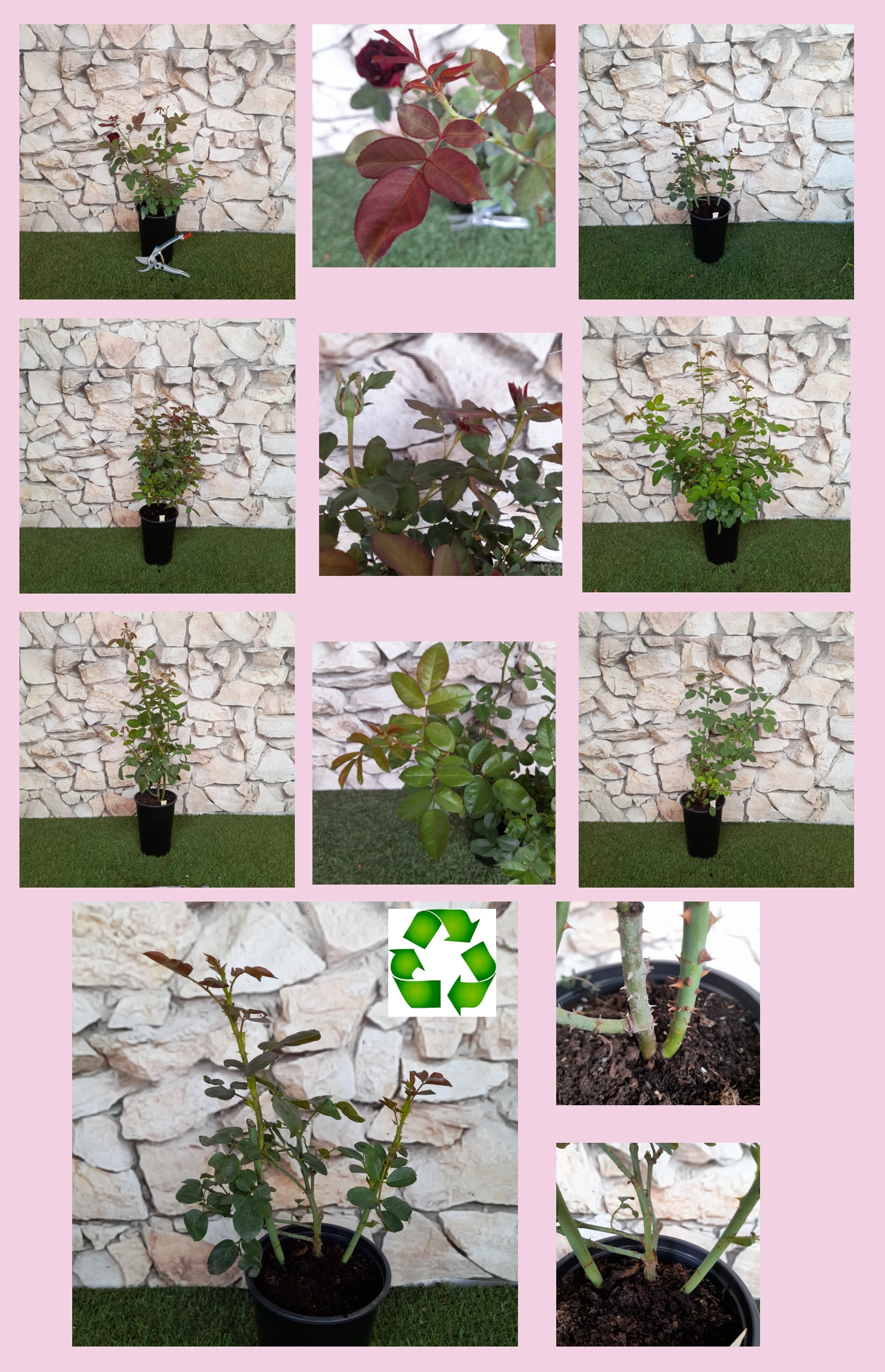
Step out to your London front garden after rain and let the colour play of BARGIRA® steady your day: the high‑centred blooms turn from golden heart to creamy petals with a lively pink edge, creating a soft, “girly” welcome against brick and paving. Planted in a peat‑free mix with reliable drainage, it copes well with typical British showers and blustery spells in town, helping you manage wetter spells and heavier soils without fuss. In a 2‑litre own‑root form it is bred for longevity and steady structure, quietly building a deeper root system in year one, stronger shoots and flowering in year two, and a mature, stable display by year three that suits busy families. Its upright habit and barely thorny stems make pruning and cutting easy, so you can enjoy elegant hybrid tea blooms for the vase without turning gardening into a weekend job.
Usage options
| Target area |
Reasoning |
| Small front garden focal point |
The upright, hybrid tea form and large, high‑centred flowers create an instant focal point in the limited space of a terraced-house front garden, giving a “designed” look with just one or two plants for busy homeowners. |
| Cutting patch or cutting row |
Long, straight stems and pointed buds are ideal for vases, and the yellow‑to‑pink shift looks refined indoors; planting at 60–90 cm spacing in a sunny strip delivers a regular supply of exhibition-style stems for home florists. |
| Statement container (40–50 litre+) |
In a 40–50 litre pot with peat‑free compost and added grit, this rose offers strong structure and colour without overwhelming a balcony or paved front, while good drainage helps it handle showery, breezy urban weather for apartment gardeners. |
| Formal edging in a family garden |
Regular spacing along a path or drive gives a neat, almost formal edge; the dark, glossy foliage and repeat flushes of bloom bring order and rhythm to small gardens that must stay practical for play and parking for family gardeners. |
| Feature planting in heavy or clay soils |
Once established on its own roots in improved but clay‑based ground, it forms a stable, long‑lived framework that copes with seasonal wetness and brief dry spells, rewarding an initial soil investment over many years for long‑term planners. |
| Rainwater‑wise front garden scheme |
Combined with gravel mulches and permeable surfaces, this rose fits a rainwater‑friendly layout, enjoying consistent moisture yet needing good runoff to protect roots, a practical option where you are softening hardstanding for sustainability‑minded owners. |
| Low‑prickle path-side planting |
The barely thorny stems are easier to brush past, prune and deadhead, making it a considerate choice beside narrow paths or driveways where children, pets and shopping bags pass close for risk‑aware households. |
| Dedicated, well‑managed rose bed |
In a sunny, airy bed with planned spraying and hygiene, its premium flower form and colour shine; given regular protection against rust and black spot, it becomes a rewarding “collection” rose for committed enthusiasts. |
Styling ideas
- Soft-Front Welcome – Pair BARGIRA® with low lavender and nepeta in a sunny, well-drained strip by the front door for a pastel “girly” welcome – ideal for style-conscious city homeowners.
- Cutting-Row Elegance – Plant a straight row with spacing for easy access, underplanting with thyme to keep soil open and neat – suited to home florists who like weekend bouquets.
- Balcony-Courtyard Pot – Use a 50 litre clay pot with gravel top-dressing and a ring of dwarf sage for structure and texture – perfect for balcony gardeners wanting a single showpiece rose.
- Formal-Path Rhythm – Repeat BARGIRA® along a path with clipped box or low evergreen grasses to frame the blooms – good for families aiming for a tidy, low-clutter garden look.
- Sunset-Mix Border – Combine with warm-toned perennials such as Agapanthus and soft ornamental grasses for a layered, evening-glow palette – ideal for gardeners who enjoy sitting out after work.
Technical cultivar profile
| Characteristic |
Data |
| Name and registration |
Hybrid tea rose from the Le Toscane collection; registered as BARgira, marketed as Bargira® Le Toscane BARgira; exhibition-suitable hybrid tea type for garden and cutting use. |
| Origin and breeding |
Bred by Enrico Barni (Rose Barni, Pistoia, Italy), c. 2014; introduced in the 2019/2020 Barni catalogue, offered as a modern hybrid tea for ornamental and cut flower purposes. |
| Awards and recognition |
Alterarosa – Avignon – Audience Award 2020, reflecting strong public appreciation for flower form and distinctive yellow‑with‑pink‑edge colour effect in show and display conditions. |
| Growth and structural characteristics |
Upright, bushy plant 75–105 cm high and 50–70 cm wide; dense, glossy dark green foliage; stems are relatively sparsely armed, giving a barely thorny feel for easier handling and maintenance. |
| Flower morphology |
Large, double, high-centred hybrid tea blooms with 26–39 petals, mostly borne singly on stems; classic pointed buds open fully, repeating with an abundant second flush in suitable conditions. |
| Colour data and phenology |
Bright yellow with pink-edged transitions; RHS 14B outer and 34A inner; buds golden yellow with orange-red tint, flowers fade to butter-yellow cream with softened pink rims over time. |
| Fragrance and aroma |
Classified as unscented; no noticeable fragrance in garden or vase conditions, chosen primarily for its visual impact, colour play and flower form rather than for perfume or aromatic qualities. |
| Hip characteristics |
Rose hip formation is generally sparse due to the double blooms; occasional small, ovoid orange-red hips 10–14 mm may develop, offering limited wildlife or decorative value in most seasons. |
| Resistance and winter hardiness |
Hardy to about −23 to −21 °C (RHS H7, USDA 6a, Swedish Zone 3); disease resistance moderate to weak, with susceptibility to rust, black spot and powdery mildew, needing regular protection. |
| Horticultural recommendations |
Prefers full sun and fertile, well-drained soil; best in managed borders, hedging or containers; requires attentive spraying and hygiene, plus consistent watering during dry spells for top performance. |
BARGIRA® offers refined high-centred blooms, a compact, low-prickle habit and long-term stability from its own-root form, making it a thoughtful choice if you enjoy tending and shaping a dedicated rose space.