BABY MASQUERADE® – yellow-pink dwarf mini rose - Tantau
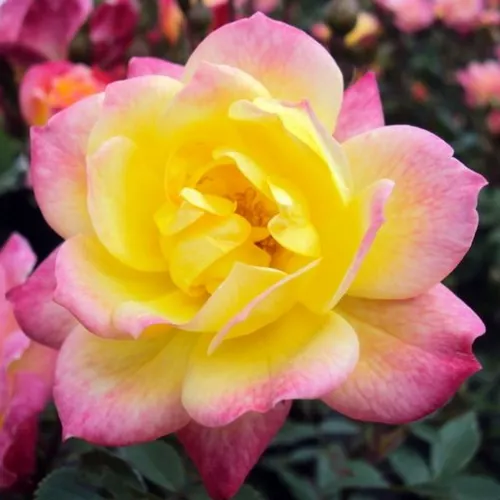
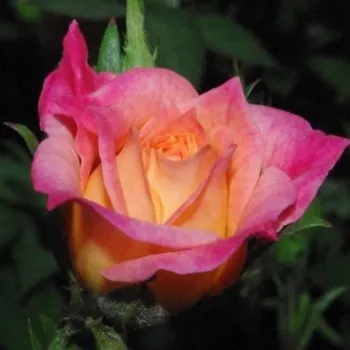
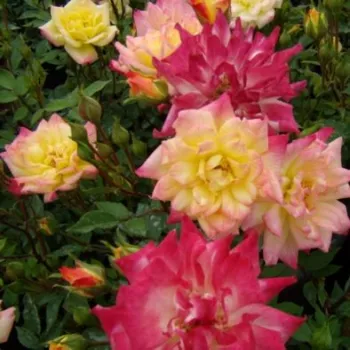
Like its famous parent, BABY MASQUERADE® turns a small front garden into a living theatre of changing colours, with golden-yellow buds slowly flushing to rose-pink and red as they open. This compact, bushy miniature rose fits perfectly into narrow London terraces, pots on steps and rainwater-conscious spaces where reliable structure matters more than size. Its glossy dark foliage and tidy clusters create a composed rhythm of bloom across the season, while own-root production supports long-term resilience and even recovery if stems are damaged. Plant once, then allow an easy three-year arc – first roots, then shoots, then full ornamental character – to establish a durable, low-fuss feature that handles typical British showers and heavy soil by simply ensuring decent drainage after planting. In larger containers of at least 40–50 litres, its neat habit and repeat flowering give lasting balance and a surprisingly generous, colour-shifting display for busy urban gardeners.
Usage options
| Target area | Reasoning |
|---|
| Small front garden borders |
Its compact 40–50 cm height and 35–45 cm spread make BABY MASQUERADE® ideal for narrow front borders along paths or railings without overwhelming the space, keeping a tidy, low hedge effect that suits busy homeowners. |
| Rainwater-conscious urban planting |
Planted into improved clay or chalk with good drainage, its bushy habit and dense foliage fit neatly into sustainable, rainwater-guiding beds where resilient plants are needed to cope with frequent wet weather and blustery conditions for city gardeners. |
| Large containers and doorstep pots |
In 40–50 litre or larger pots, the dwarf habit remains stable and ornamental, giving reliable flowering without constant pruning; own-root plants re-shoot well, so the display recovers even if winter or pruning is a little rough for balcony owners. |
| Family-friendly low hedging |
Regular, bushy growth and moderate prickles make low edging that visually defines play areas or paths yet stays child-scale, with flowers at eye level and manageable for light deadheading by keen but inexperienced family gardeners. |
| Colour-themed “girly” planting |
The colour shift from lemon-yellow to pinkish red fits soft, playful schemes; combine with pastel perennials or clipped evergreen shapes for a dainty, feminine feel that still offers structure and long seasonal value for design-conscious owners. |
| Mixed miniature rose collections |
As an exhibition miniature rose bred by Tantau, it brings classic show-bench quality to small collections, with well-formed clusters and consistent growth that appeal to enthusiasts wanting reliable performance from compact plants for rose collectors. |
| Pollinator-friendly mixed borders |
Semi-double flowers allow moderate access to nectar and pollen, so it works best woven among stronger pollinator magnets such as lavender, nepeta or salvias, contributing colour and structure while companions boost wildlife value for eco-aware gardeners. |
| Long-term low-maintenance plantings |
Medium disease resistance and hardy, own-root growth support a long lifespan; once established, light pruning and occasional protection against black spot and rust are usually sufficient, giving a stable feature for many seasons for time-poor beginners. |
Styling ideas
- Terrace-Romantic – Line a narrow front path with BABY MASQUERADE® and soft pink airy Verbena bonariensis, letting the changing rose colours play against taller, dancing flower heads – ideal for style-conscious urban homeowners.
- Pastel-Pocket – In a 50-litre pot, underplant the rose with trailing thyme and soft nepeta to blur the container edge, creating a pretty, low-care accent for small patios and balconies.
- Mini-Hedge – Repeat-plant at 30 cm spacings along a front boundary, backing with Lonicera nitida ‘Maigrün’ for evergreen structure and a neat, low, family-friendly edge for compact gardens.
- Cottage-Micro – Combine with Paeonia lactiflora and soft grasses in a tiny bed, using the rose’s long season to bridge the time between peony bloom and late-summer perennials for busy cottage-style enthusiasts.
- Chalk-Comfort – On free-draining or improved chalky soil, cluster several plants with lavender and sage for a scented, bee-supporting strip that stays tidy and colourful for front-garden pragmatists.
Technical cultivar profile
| Feature | Data |
|---|
| Name and registration |
Miniature rose cultivar BABY MASQUERADE® (Registered names: Baby Masquerade; TANbakede; TANba), commercial type dwarf mini rose, ARS exhibition miniature under the name Baby Masquerade. |
| Origin and breeding |
Bred by Mathias Tantau Jr. in Germany (1955) from Tom Thumb × Masquerade; introduced 1956 by Rosen-Tantau / Tantau Roses, as a miniature counterpart to the large-flowered Masquerade. |
| Growth and structural characteristics |
Bushy, compact habit reaching about 40–50 cm in height and 35–45 cm spread, with dense, glossy dark green foliage and moderately thorny stems forming a neat, low, structural mound. |
| Flower morphology |
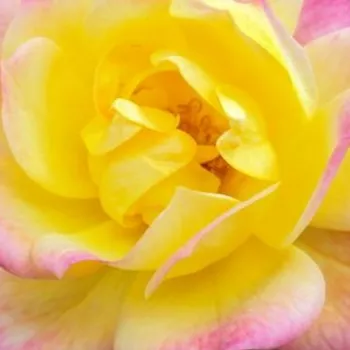
Semi-double, flat blooms in clusters, flower size small (approx. 0.5–1.5 in), with 13–25 petals; remontant, with an abundant second flush and continued blooming in suitable conditions. |
| Colour data and phenology |
Golden-yellow base (RHS 14B) with pink-red edged band (RHS 46A); buds bright lemon yellow, then yellow centres with pink edges, deepening to rose-red tones as blooms mature and the yellow ground fades. |
| Fragrance and aroma |
Fragrance is very weak and barely perceptible; not selected for scent, so planting is recommended primarily for ornamental colour effects and structure rather than olfactory impact in the garden. |
| Hip characteristics |
Moderately abundant, small spherical hips about 4–6 mm in diameter, orange-red (RHS 44A); hips add fine-textured seasonal interest but are mainly of ornamental rather than culinary or wildlife value. |
| Resistance and winter hardiness |
Medium general disease resistance; powdery mildew resistant, black spot and rust medium. Winter hardy to approximately –21 to –18 °C (RHS H7, USDA 6b, Swedish Zone 3) under normal garden conditions. |
| Horticultural recommendations |
Suited to borders, beds and pots; plant 25–45 cm apart, 12.8–14.7 plants/m² for massing. Maintenance medium, occasional protection advised; tolerates partial shade but flowers best with several hours of sun daily. |
BABY MASQUERADE® offers compact, colour-changing blooms, dependable repeat flowering and long-lived own-root growth, making it a thoughtful choice for enduring, easy-care structure in smaller gardens and containers.