BABY DARLING™ – orange-yellow toned dwarf mini rose - Moore
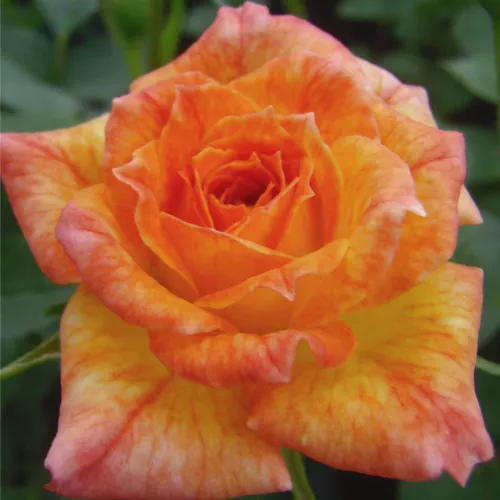
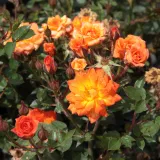
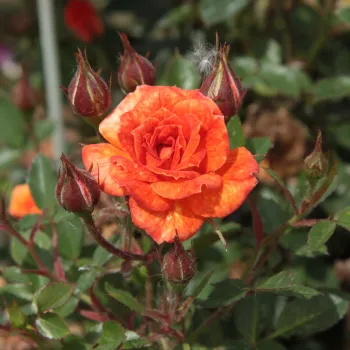
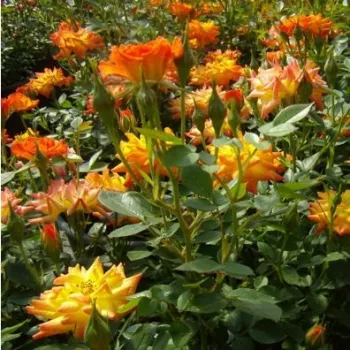
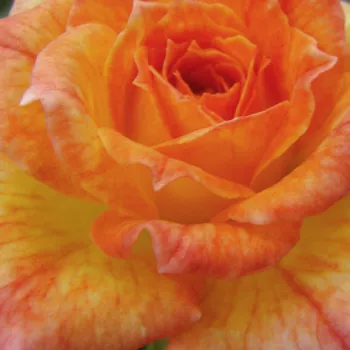
In a compact urban front garden or balcony, BABY DARLING™ offers an easy way to bring colour, balance and rhythm to small spaces, even where clay soils and frequent showers demand better drainage and reliable performance. This dwarf miniature rose forms a neat, compact mound with dense mid‑green foliage, perfectly scaled for edging narrow paths or softening the line between paving and planting. Its semi‑double blooms open in fiery orange and golden‑yellow, later shading to salmon and pink, so over a long season you enjoy a gentle, ever‑changing gradient of warm tones without complicated care. Own‑root plants settle steadily, promising a long garden life and dependable regrowth if winter or pruning are a little harsh, and in normal conditions you can expect roots to establish in the first year, shoots to strengthen in the second, and full ornamental impact by the third. The moderate flower form leaves stamens partially visible, offering a subtly pollinator‑friendly choice for rainwater‑wise city gardens, while the discreet fragrance suits entrances and small terraces where you prefer a light, unobtrusive scent.
Usage options
| Target area | Reasoning |
|---|
| Front‑garden edging for terraced houses |
The naturally compact habit and low height create a tidy, continuous edging that will not overwhelm narrow pavements or low boundaries, yet offers months of colourful clusters along the path. Ideal for the time‑pressed homeowner |
| Balcony boxes and rail planters |
The dwarf size and dense foliage make this rose well suited to sturdy balcony boxes, where it forms a neat mound and repeats flowering without needing complex pruning or shaping routines. A practical option for the busy urbanite |
| Containers from 40–50 litres on patios |
Planted into a 40–50 litre peat‑free container with good drainage, the own‑root shrub develops a stable framework that can live for many years, avoiding the frequent replacement typical of short‑lived bedding plants. Reassuring for the long‑term‑minded gardener |
| Low, colourful path or driveway strip |
Mass planting at the recommended spacing creates a low ribbon of orange‑yellow and peach tones, visually softening hard surfaces while remaining easy to maintain and straightforward to weed around. A smart solution for the practical planner |
| Rain‑aware city front gardens |
In mixed beds with free‑draining soil, this rose copes well beside permeable paths, helping you green a small front plot while working with rainfall rather than against it in typical showery, heavy‑soil streetscapes. Helpful for the sustainability‑conscious beginner |
| Mixed planting with lavender or nepeta |
The warm orange‑yellow flowers contrast beautifully with cool blue or purple partners such as lavender, sage or nepeta, giving a balanced, soft look that still feels lively and welcoming across the season. Inspiring for the colour‑sensitive stylist |
| Family gardens with children |
The small stature, only slightly prickly stems and cheerful colour make this rose a friendly choice near play areas or seating, creating interest at child’s eye‑level without dominating the space. Comforting for the family‑focused parent |
| Pollinator‑supportive flower beds |
Semi‑double blooms moderately expose their stamens, offering accessible pollen through successive flushes while still looking full enough for ornamental effect, especially when combined with other nectar‑rich perennials. Appealing to the wildlife‑aware hobbyist |
Styling ideas
- Pathway‑Ribbon – Line both sides of a front‑garden path with repeating BABY DARLING™ plants at regular intervals, underplanting with low thyme for a soft, cottage feel – suited to relaxed family homes
- Balcony‑Glow – Combine this rose in a deep balcony box with trailing Nepeta and dwarf grasses to frame a seating area in warm oranges and cool blues – ideal for busy city‑flat dwellers
- Terrace‑Pot – Plant one or three shrubs together in a 40–50 litre container with peat‑free compost and gravel mulch to create a long‑lived, low‑maintenance focus by the back door – perfect for low‑fuss gardeners
- Soft‑Hedge – Use closely spaced plants as a low, flowering border in front of taller shrubs, letting the compact growth draw a neat line of colour along driveways – good for structured, modern schemes
- Play‑Corner – Surround a small lawn or sandpit with curved beds of BABY DARLING™ and airy baby’s‑breath, keeping heights low so children feel enclosed yet not overshadowed – great for child‑centred gardens
Technical cultivar profile
| Parameter | Data |
|---|
| Name and registration |
Miniature, dwarf rose marketed as BABY DARLING™, a miniature exhibition and pot rose; ARS exhibition name ‘Baby Darling’; part of the Mini – dwarf rose collection for garden and container use. |
| Origin and breeding |
Bred by Ralph S. Moore at Sequoia Nursery, United States, from ‘Little Darling’ × ‘Magic Wand’; introduced and registered in 1964, reflecting classic miniature‑rose breeding of that period. |
| Growth and structural characteristics |
Very compact, dense plant, around 25–35 cm high and 30–40 cm wide, with slightly glossy mid‑green foliage and only light prickliness; forms a rounded, edging‑friendly mound in borders or containers. |
| Flower morphology |
Semi‑double, cup‑shaped blooms with 13–25 petals, borne mainly in clusters on short stems; flower size small at approximately 0.5–1.5 inches, repeating freely with a generous second flush in season. |
| Colour data and phenology |
Fiery orange and golden‑yellow tones with warm gradients; buds rich orange‑peach, ageing through orange‑peach and salmon to softer pink shades, with moderate fading in strong sun yet persistent visual warmth. |
| Fragrance and aroma |
Fragrance is very weak and discreet, with no distinct character recorded; suitable where strong scent is undesirable or close windows and compact spaces make heavily perfumed roses less practical. |
| Hip characteristics |
Produces moderate quantities of small, spherical hips, typically 5–7 mm in diameter and red when ripe; hips may add a light decorative effect if spent flowers are not removed late in the season. |
| Resistance and winter hardiness |
Rated H7 and hardy to approximately −21 to −18 °C, with moderate resistance to black spot, powdery mildew and rust; copes with warm spells if watered regularly, especially in containers during dry periods. |
| Horticultural recommendations |
Best in sunny positions with well‑drained soil or containers; spacing 25–50 cm depending on use, 11–13 plants/m² for mass planting; maintenance moderate, with occasional deadheading and plant protection as needed. |
BABY DARLING™ offers compact, long‑season colour and moderate pollinator appeal in an easy‑care, own‑root form that establishes for years of reliable container or border use, making it a thoughtful choice if you seek lasting charm in a small space.