AUSMOON – yellow English rose - Austin
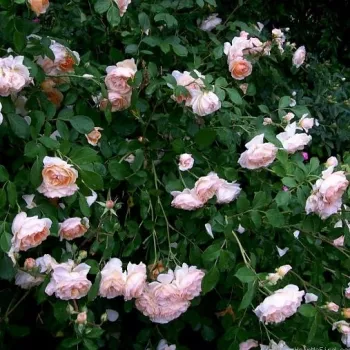
Step past this rose after summer rain and you notice a soft apricot glow, richly perfumed and balanced by calm, upright growth, ideal for the narrow, rain-smart front garden where good drainage copes gracefully with heavy clay and wet spells; over time its own-root strength supports a long-lived hedge or specimen with romantic blooms for cutting, barely-thorned stems that are easy to handle, and dense foliage that quietly enhances a sustainable, low-chemical border design as this English shrub settles in, building roots, then shoots and finally full garden character.
Usage options
| Target area | Reasoning |
|---|
| London terraced-house front garden |
Upright, dense growth gives a generous presence in a tight space, while own-root reliability means it matures into a steady feature with minimal fuss, suiting busy city lives who prefer easy-care |
| Rainwater-friendly, clay-based border |
Works well where rain is frequent and soil is heavier, as its shrub habit and established root system cope with seasonal wetness when combined with sensible drainage, reassuring those planning sustainable |
| Romantic specimen near the front door |
Strong tea fragrance and layered apricot-cream rosettes create a welcoming focal point by the entrance, rewarding even basic care with repeat flushes, ideal for newcomers wanting impact |
| Informal flowering hedge |
Plant at hedge spacing to form a soft, upright screen with repeat bloom; own-root plants knit together over the years into a resilient line that responds well to light pruning, appreciated by gardeners valuing longevity |
| Mixed perennial bed with lavender or nepeta |
The warm yellow-peach flowers blend beautifully with cool-toned perennials, while the rose provides height and structure; pairing reduces visual gaps between flushes, attractive for planners seeking harmony |
| Cutting patch for home bouquets |
Medium-sized, very double blooms on almost thornless stems are easy to pick and arrange, bringing classic English-rose romance indoors without specialist technique, appealing greatly to home florists prioritising simplicity |
| Large container on balcony or patio |
In a 40–50 litre peat-free container, this shrub settles into a stable, long-term feature; own-root vigour supports regrowth if pruned harder, perfect for container gardeners appreciating resilience |
| Low-chemical family garden scheme |
Medium disease resistance and manageable size suit reduced-spray regimes when combined with good air flow and companion planting, aligning well with families designing a more breathable environment |
Styling ideas
- Front-porch – Underplant with soft grasses and thyme along a path to frame the front door – ideal for homeowners seeking gentle structure without hard landscaping
- Pastel-hedge – Create an informal hedge, interspersed with pale salvia and nepeta, to soften boundaries – suited to families wanting privacy with a cottage feel
- Balcony-bower – Grow one plant in a 40–50 litre pot with trailing thyme and violas – perfect for flat dwellers making the most of limited outdoor space
- Sunset-bed – Combine with Echinacea, switchgrass and cream foxgloves for layered sunset tones – appealing to gardeners designing a wildlife-aware yet ornamental border
- Doorstep-vase – Place near a back door for quick cutting of fragrant stems into kitchen jugs – made for busy urban gardeners who enjoy spontaneous home bouquets
Technical cultivar profile
| Parameter | Data |
|---|
| Name and registration |
English shrub rose from the Romantic group; registered as AUSmoon, marketed as Pegasus, Ausmoon English Rose AUSmoon; classified as a shrub rose suitable for garden and cutting use. |
| Origin and breeding |
Bred by David C. H. Austin in the United Kingdom from ‘Graham Thomas’ × ‘Pascali’; selected in 1994 and introduced by David Austin Roses Ltd. in 1995 for garden and landscape planting. |
| Growth and structural characteristics |
Upright shrub 120–170 cm tall and 110–160 cm wide, with dense, slightly glossy medium-green foliage and very few prickles; forms a substantial, well-filled presence in beds, hedges and mixed borders. |
| Flower morphology |
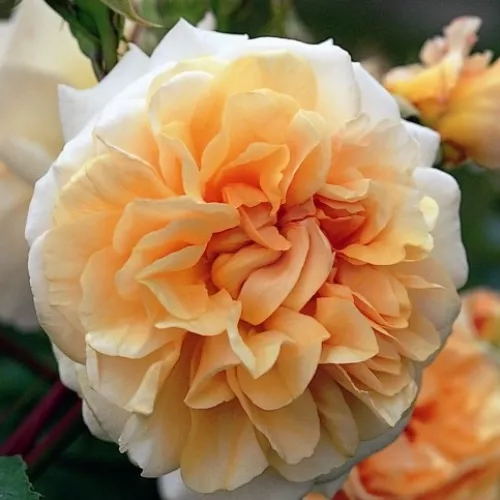
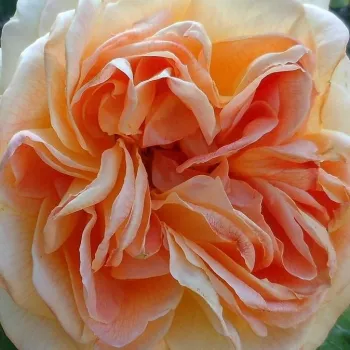
Medium-sized, very double rosette blooms with over 40 petals, typically borne in clusters; repeat-flowering throughout the season with a notably abundant second flush following the first main display. |
| Colour data and phenology |
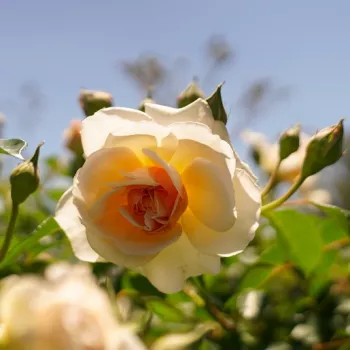
Warm apricot-yellow buds open butter-yellow with peach tones, maturing to cream-yellow towards petal edges; colour can lighten in strong sun, giving a soft, romantic effect from bud to full, flat bloom. |
| Fragrance and aroma |
Pronounced tea scent with classic English-rose character; strong enough to notice on still evenings or after rain, making it particularly suitable for planting near paths, entrances or frequently used seating areas. |
| Hip characteristics |
Hip set is uncommon; where fertilisation occurs, small orange-red, ellipsoid hips around 10–14 mm may form, but they are not a dominant ornamental feature and should not be relied upon for autumn effect. |
| Resistance and winter hardiness |
Hardy to approximately −26 to −23 °C (RHS H7, Swedish Zone 4, USDA 5b); good powdery mildew resistance, with medium susceptibility to black spot and rust, best managed through site choice and hygiene. |
| Horticultural recommendations |
Prefers full sun and fertile, well-drained soil; space 120–200 cm depending on hedge or specimen use; maintain with moderate feeding, deadheading and occasional plant protection to sustain flowering quality. |
AUSmoon offers fragrant apricot-yellow blooms, upright shrub structure and long-lived own-root reliability, making it a thoughtful choice for gardeners seeking enduring beauty with manageable care.