AUSMARY – pink English rose - Austin
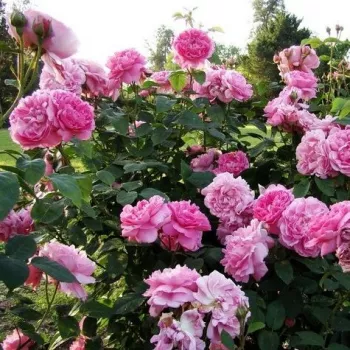
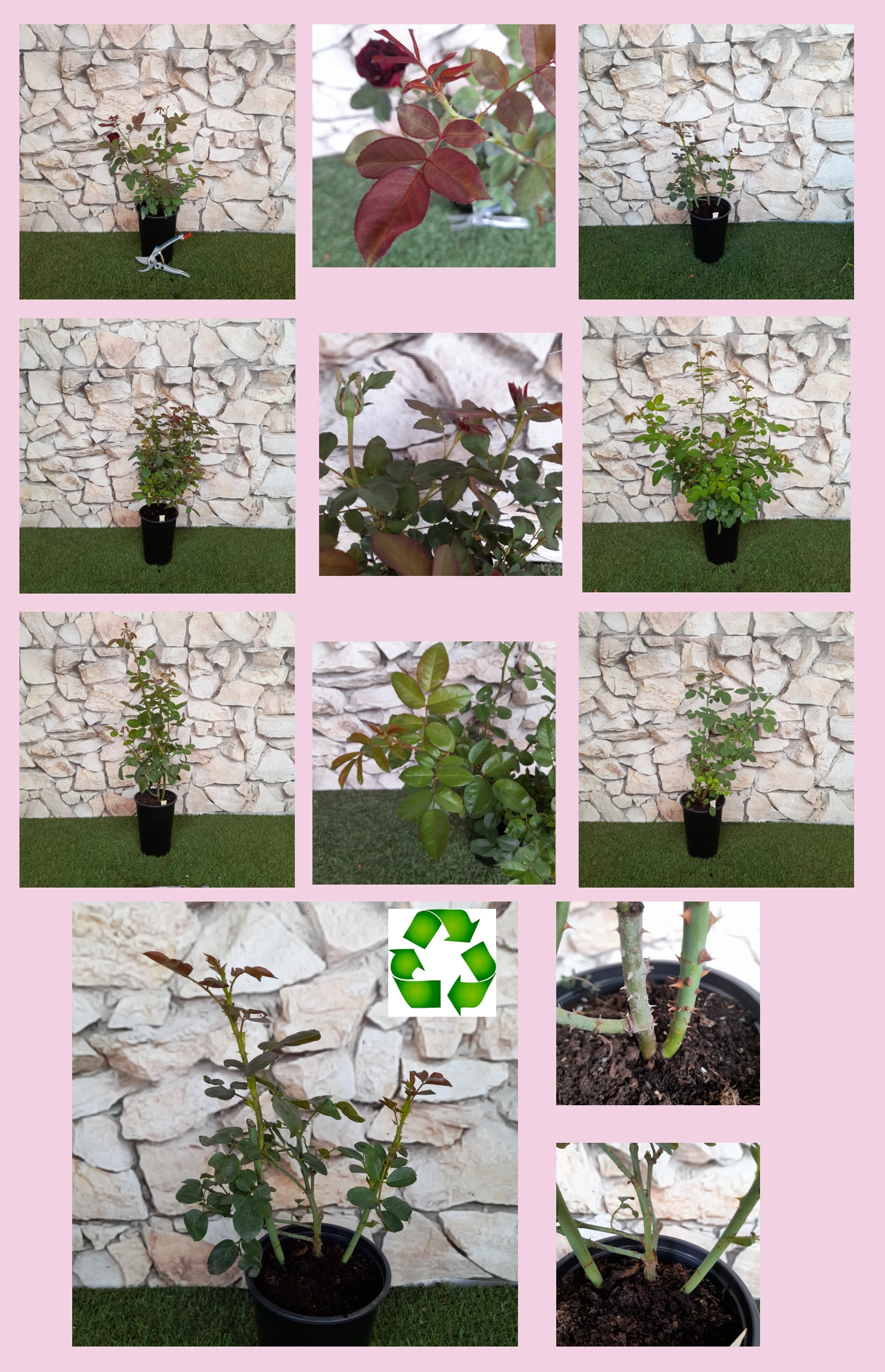
Step into a front garden that feels quietly composed after rain, with the classic English elegance of ‘Mary Rose’ shaping a soft, fragrant backdrop that copes steadily with coastal breezes and heavier garden soils. This romantic shrub rose’s rosette blooms open in generous clusters, filling the air with a strong, honeyed fragrance that suits both busy city plots and more traditional family borders. Its bushy habit and mid-green, glossy foliage build an easy, balanced structure that makes small London gardens feel fuller without fuss, while moderate disease resistance and medium maintenance needs keep the routine simple. Grown on its own roots in a manageable 2‑litre container, it settles in reliably, with roots establishing in the first year, shoots filling out in the second and full ornamental value unfolding by the third, whether you plant into a border or a 40–50 litre container.
Usage options
| Target area | Reasoning |
|---|
| Small front garden feature shrub |
The bushy, upright habit and 110–170 cm height give clear structure without overwhelming narrow beds, ideal beside a path or front door where the strong honey-fruity scent can be appreciated on everyday walks; well suited to the busy urban homeowner who wants reliable impact with modest upkeep for the beginner. |
| Romantic mixed flower bed |
Very full, rosette pink blooms repeat well through summer, creating a long season of colour that blends naturally with perennials such as nepeta, baby’s breath and coneflowers to give a soft, romantic look with little more than occasional deadheading for the hobby-gardener. |
| Informal flowering hedge |
Planted at around 85 cm centres, the moderately dense foliage and clustered flowers knit into a loose, flowering screen that offers privacy, scent and a gentle boundary along paths or driveways with only periodic trimming needed for the family. |
| Large container on terrace or balcony |
In a 40–50 litre pot with good drainage, this medium-maintenance shrub rose adapts well to city terraces, offering romantic colour and fragrance where ground planting is limited, provided it is watered during prolonged dry spells for the urban-owner. |
| Partially shaded courtyard or side return |
Suitable for partial shade, it continues to flower and hold its medium pink colour where many roses fade, making the most of light between buildings and brightening side paths that receive only a few hours of sun for the shade-gardener. |
| Clay or moisture-retentive border |
Once established on its own roots, the robust shrub form performs steadily in heavier UK garden soils, provided basic drainage is ensured, supporting planting in typical London clay and wetter spots that would challenge fussier roses for the practical-owner. |
| Low-input classic rose border |
Moderate disease resistance, especially good black spot tolerance, means routine care can focus on simple pruning and occasional protection, suiting gardeners who want traditional English Rose character without intensive spraying or complex regimes for the time-poor. |
| Long-term, slowly maturing focal point |
As an own-root shrub with RHS Award of Garden Merit, it develops into a stable, long-lived plant that responds well to renewal pruning, steadily improving rather than exhausting itself, a reassuring choice for those planning a garden to last for the future-focused. |
Styling ideas
- Terrace-Romantic – Place a single plant in a 50 litre terracotta pot with trailing thyme and soft nepeta for a scented, classical balcony focal point – ideal for city flat dwellers seeking easy elegance.
- Pastel-Hedge – Create a loose hedge along a front path, underplanting with lavender and low catmint to echo the pink blooms and soften edges – suited to families wanting charm without fussy formality.
- Cottage-Border – Mix with coneflowers and low baby’s breath in a sunny or lightly shaded bed for a layered, cottage look that flowers over months – perfect for hobby gardeners reshaping a small lawn-heavy garden.
- Court-Garden – In a narrow side return, pair with upright grasses and slate chippings so the pink rosettes and fragrance punctuate a simple, low-maintenance layout – helpful for busy professionals with limited time.
- Heritage-Feature – Use one specimen near a bench or front door, framed by clipped box or dwarf sage, to highlight its historic name and scent – appealing to enthusiasts who enjoy character roses with a story.
Technical cultivar profile
| Parameter | Data |
|---|
| Name and registration |
‘Mary Rose’ (AUSmary), English Rose shrub, Romantic rose group; ARS exhibition name Mary Rose; commercial use under Ausmary English Rose AUSmary in premium silver quality grade. |
| Origin and breeding |
Bred by David C. H. Austin, UK, from ‘Wife of Bath’ × ‘The Miller’; introduced and registered in 1983 by David Austin Roses Ltd., forming part of the classic English Rose Collection. |
| Awards and recognition |
Holds the RHS Award of Garden Merit (1993), indicating reliable garden performance, ornamental value and sound health under typical UK conditions when grown with normal good practice. |
| Growth and structural characteristics |
Bushy shrub 110–170 cm high and 90–130 cm wide, moderately thorny, with mid-green, moderately dense, glossy foliage; self-cleaning is medium, so some spent blooms benefit from manual removal. |
| Flower morphology |
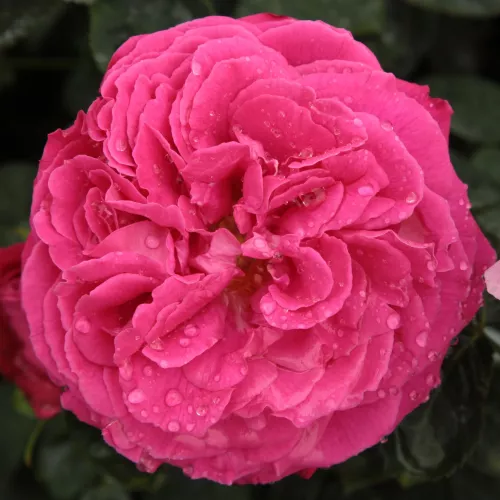
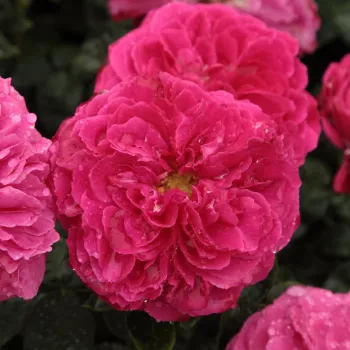
Large, very full double rosette blooms with more than 40 petals, produced mainly in clusters; repeat flowering provides a good second flush after the main early summer display with suitable deadheading. |
| Colour data and phenology |
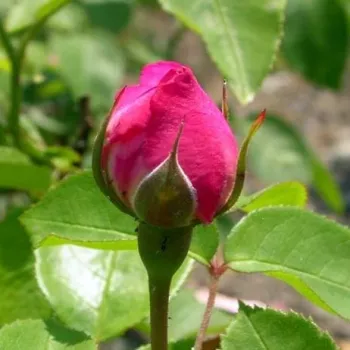
Medium pink ARS MP, RHS 65C–65D; buds are deeper pink, opening to even mid-pink, then softening as they age, with inner petals and edges slightly lighter to give gentle depth across the flower. |
| Fragrance and aroma |
Strong, distinctive honey-fruity, rosy fragrance characteristic of English Roses; best appreciated at nose height in sheltered positions near paths, seating areas or entrances for daily enjoyment. |
| Hip characteristics |
Hip set is generally sparse due to the very double bloom form; where produced, hips are orange, bottle-shaped, around 18–26 mm in diameter, adding occasional late-season interest. |
| Resistance and winter hardiness |
Hardy to about −26 to −23 °C (RHS H7, USDA 5b, Swedish Zone 4); black spot resistant with moderate susceptibility to powdery mildew and rust; benefits from protection from late spring frosts. |
| Horticultural recommendations |
Use in beds, informal hedges, containers or as a specimen; plant at 85–170 cm depending on purpose, in well-drained soil; medium maintenance with occasional plant protection and regular watering in dry spells. |
Mary Rose (AUSmary) offers classic English Rose charm, strong fragrance and dependable structure on its own roots, making it a thoughtful long-term choice for compact family gardens and urban terraces you may wish to enjoy for many years.