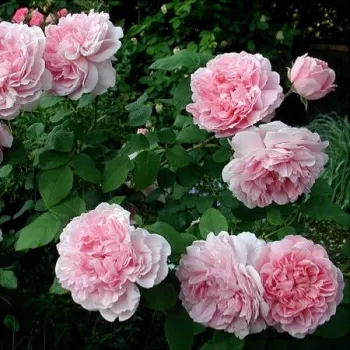
Cottage Rose – AUSglisten English shrub rose
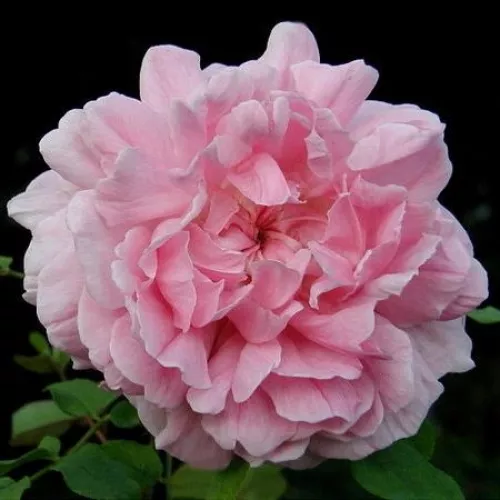
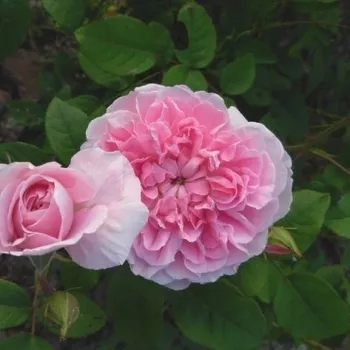
Step into the gentle charm of a London-style cottage front garden with the softly cupped blooms of Cottage Rose (AUSglisten), a classic David Austin shrub bred for long, relaxed flowering and reassuringly low-input maintenance. This compact, bushy English Rose settles happily into smaller family gardens, coping well with exposed, breezy sites and the kind of cool, damp summers that can challenge less resilient varieties, even where soil needs thoughtful drainage. Masses of mid-pink rosettes open from deeper buds, fading to cream-pink for a romantic, ever-changing display, backed by healthy mid-green foliage that keeps borders looking composed rather than fussy. The medium, old-rose fragrance adds a refined, nostalgic fragrance to paths and doorways after rain, enhancing that sense of balance and calm in a small urban space. Grown on its own roots in our 2-litre container, this rose settles steadily, developing roots in the first year, stronger top growth in the second and full garden presence by the third, giving you durable, regenerating structure without complicated pruning skills. Ideal for sustainable, low-fuss, rainwater-aware front gardens and generous pots from 40–50 litres, where its long flowering season and tidy habit bring dependable seasonal beauty to everyday routines.
Usage options
| Target area | Reasoning |
|---|
| Front garden feature shrub |
Cottage Rose forms a bushy, upright shape with mid-green, slightly glossy foliage, giving neat, cottage-style structure beside a front door or path with minimal shaping required; a dependable focal point for the time-pressed homeowner. |
| Mixed flower bed in heavy soil |
The robust root system of this own-root shrub handles typical UK clay when planting holes are loosened and mulched, maintaining a stable display and reducing replacements, even where rainfall and sticky soil would test other roses for the cautious beginner. |
| Low, informal flowering hedge |
Planted at closer spacing, its bushy habit, repeat-flowering clusters and moderate height create a soft, romantic boundary that screens while still feeling welcoming, with simple pruning to keep it tidy for privacy-seeking families. |
| Rainwater-conscious urban border |
Suitable for borders that rely on stored rainwater, this variety prefers steady rather than intensive watering and, thanks to its own-root resilience, recovers reliably from short dry spells once established, safeguarding long-term interest for eco-minded gardeners. |
| Large patio container (40–50 litres) |
In a generous pot with peat-free compost, this compact shrub rose gives months of colour on terraces and balconies, while the own-root form makes it easier to rejuvenate by pruning without worrying about graft failure for space-limited city-dwellers. |
| Romantic cottage-style border scheme |
The warm mid-pink, rosette-shaped flowers blend effortlessly with lavenders, sages or nepeta, creating an instantly harmonious, “girly” cottage look that matures gracefully over years rather than seasons for style-conscious planners. |
| Low-intervention family garden planting |
With good resistance to black spot and powdery mildew and a naturally tidy habit, Cottage Rose needs only light deadheading and a yearly prune, keeping weekend tasks short yet rewarding for busy parents. |
| Scented path or seating-area edging |
The medium, old-rose fragrance carries nicely at nose height from its clusters of blooms, especially after showers in cooler, humid conditions that can challenge other roses, creating everyday sensory pleasure for fragrance-loving owners. |
Styling ideas
- Cottage-Romantic – Combine Cottage Rose with lavender, nepeta and soft grasses along a townhouse path for a dreamy, pastel approach – ideal for homeowners wanting a welcoming, storybook entrance.
- Urban-Edged – Use as a loose, low hedge in a small front garden, underplanted with lamb’s ear for texture – perfect for city gardeners seeking structure without harsh lines.
- Balcony-Bouquet – Plant one rose in a 50-litre container with trailing thyme and heuchera to enjoy flowers and fragrance close to seating – suited to flat dwellers with limited ground space.
- Family-Friendly – Place Cottage Rose mid-border with hardy perennials, leaving lawn space in front, to keep colour visible yet away from children’s play – good for families after low-effort charm.
- Rain-Garden – Position near a downpipe gravel channel with moisture-tolerant companions, using mulched clay soil to slow runoff – for sustainability-focused gardeners designing climate-resilient plots.
Technical cultivar profile
| Parameter | Data |
|---|
| Name and registration |
English shrub rose from the English Rose Collection, registered as AUSglisten and traded as Cottage Rose; romantic-style, medium shrub type suited to borders, hedging and feature planting. |
| Origin and breeding |
Bred in the United Kingdom by David C. H. Austin from ‘Wife of Bath’ × ‘Mary Rose’; introduced by David Austin Roses from 1991 onward in Europe and shortly afterwards internationally. |
| Growth and structural characteristics |
Bushy, upright shrub, around 100–150 cm high and 70–120 cm wide, with moderately dense, mid-green, slightly glossy foliage and moderate prickliness; forms balanced, rounded, cottage-style bushes in gardens. |
| Flower morphology |
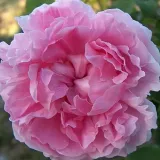
Very full, rosette-shaped blooms with over 40 petals, medium-sized and borne in clusters; repeats well through the season, with an especially abundant second flush, although spent blooms benefit from light deadheading. |
| Colour data and phenology |
Soft, warm mid-pink flowers, deeper in the centre and lighter outside, gradually fading through light pink to creamy pink; colour holds best in milder conditions and gives a varied, romantic effect as each bloom ages. |
| Fragrance and aroma |
Medium strength, distinctly old-rose fragrance, noticeable at close range along paths or seating; refined rather than overpowering, adding a traditional English character that suits cottage-style gardens and relaxed spaces. |
| Hip characteristics |
Due to the very double bloom form, hips are sparse; occasional small, spherical, orange-red hips around 10–14 mm may develop, adding a light decorative note but not a major feature of the variety. |
| Resistance and winter hardiness |
Good resistance to black spot and powdery mildew, moderate rust tolerance; hardy to around −26 to −23 °C (RHS H7, Swedish Zone 4, USDA 5b), coping reliably with typical UK winters and exposed suburban sites. |
| Horticultural recommendations |
Best in sunny positions with improved, well-drained soil; water regularly in dry spells. Space 55–100 cm depending on use. Own-root plants respond well to rejuvenation pruning and suit 40–50 litre or larger containers. |
Cottage Rose (AUSglisten) offers romantic, long-season colour, dependable health and fragrance on a durable own-root framework that copes well with UK gardens; consider it if you favour an easy, enduring English shrub rose.