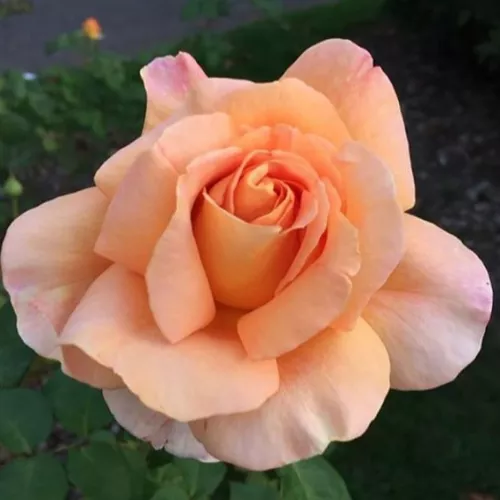
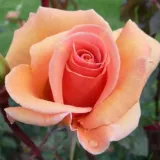
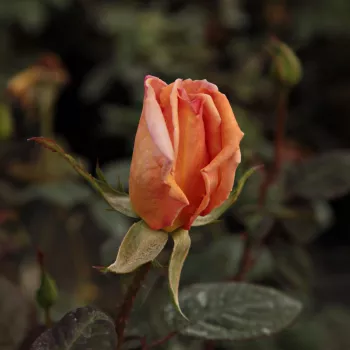
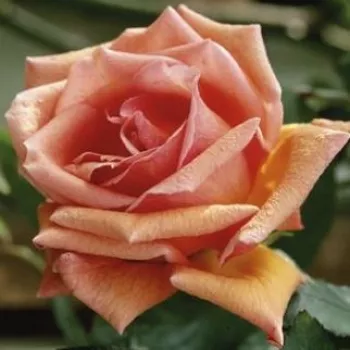
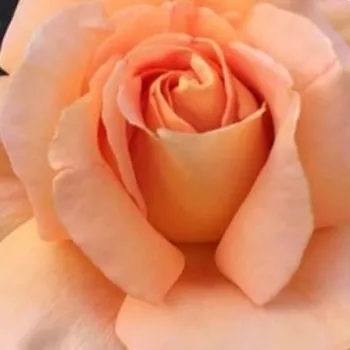
APRICOT SILK – apricot hybrid tea rose
Imagine stepping out after rain along a narrow path, the air rich with fragrance and the warm, peach glow of silky blooms catching drops of water as they fall. APRICOT SILK brings this balanced, rain‑loving garden mood to small London front plots and modest family spaces, coping well where wind and wet weather create constant pressure from disease and damp soils in built‑up streets. Its remontant hybrid tea flowers offer a refined centrepiece for cutting while still leaving colour outdoors for bees, and the own‑root form builds a long‑lived, sustainable shrub that recovers well if damaged or pruned hard. Think of its development as a calm progression – first year roots, second year shoots, third year full ornamental value – supporting relaxed beginners who prefer low‑input planting and a balanced look that matures gracefully with time.
Usage options
| Target area |
Reasoning |
| Front garden feature rose |
Upright hybrid tea habit and medium height create a clear focal point without overwhelming a small terraced-house frontage, while the warm apricot tones read beautifully against brick and paving for busy urban garden owners. |
| Cutting for indoor vases |
Solitary, goblet-shaped blooms on straight stems make elegant, long-stemmed cut flowers, so you can enjoy the soft, fruity scent and changing peach shades both indoors and out as a regular treat for homeowners. |
| Low-maintenance mixed bed |
Generally good resistance to black spot and powdery mildew means less spraying and fuss, particularly valuable where wind and frequent rain raise fungal pressure, helping keep borders attractive with minimal effort for beginners. |
| Long-season colour backbone |
Remontant flowering with a strong second flush gives months of repeat blooms rather than a single show, providing reliable structure and colour through the main season for hobby gardeners. |
| Rainwater-conscious urban planting |
Suited to compact front gardens where you may rely on harvested rainwater and improved drainage instead of extensive irrigation, pairing well with permeable surfaces and drought‑tolerant perennials for sustainability-focused owners. |
| Pollinator-supporting rose corner |
Semi-double flowers with visible centres offer moderate nectar and pollen access, adding a gentle contribution to urban biodiversity when combined with herbs and perennials that extend the foraging season for pollinator-aware beginners. |
| Own-root longevity planting |
The own-root format encourages a durable shrub that can regenerate from its base if stems are damaged by weather or pruning, maintaining a stable display year after year with only routine care for long-term planners. |
| Large container on balcony or patio |
Its upright habit and moderate spread allow planting in a substantial 40–50 litre container with good drainage, offering a compact, fragrant statement rose where ground space is limited for balcony and patio gardeners. |
Styling ideas
- Soft-Front-Border – edge a short town-house path with APRICOT SILK and pale lavender, underplanted with low thyme to soften paving – ideal for time-poor city households wanting easy charm.
- Cutting-Strip – line a sunny fence with alternating APRICOT SILK and white nepeta, leaving space for picking stems while still feeding bees – perfect for beginners who love homegrown bouquets.
- Terrace-Showpiece – plant one APRICOT SILK in a 50 litre terracotta pot with trailing ivy-leaved verbena for seasonal spill-over – suited to balcony owners seeking a single, strong focal rose.
- Peach-Meadow – combine APRICOT SILK with Echinacea and airy grasses in a free-draining strip beside permeable gravel – good for sustainability-minded gardeners rethinking paved front drives.
- Evening-Scent-Corner – tuck APRICOT SILK near a bench with sage and soft pink gaura so its fruity fragrance and warm tones glow at dusk – appealing to relaxed hobby gardeners who unwind outdoors.
Technical cultivar profile
| Parameter |
Data |
| Name and registration |
Hybrid tea rose marketed as APRICOT SILK – apricot tea-hybrid rose, registered as Apricot Silk, an exhibition-type hybrid tea suitable for both gardens and cutting. |
| Origin and breeding |
Bred by Charles Walter Gregory (C. Gregory & Son Ltd., Chilwell, Nottingham, UK) from Souvenir de Jacques Verschuren × unknown seedling; introduced and registered in 1970. |
| Growth and structural characteristics |
Upright hybrid tea with moderately dense, glossy dark green foliage, around 110–150 cm high and 50–70 cm wide; moderately thorny, forming a slim vertical accent in beds and borders. |
| Flower morphology |
Semi-double, goblet to cup-shaped solitary blooms, 13–25 petals and medium-sized (approx. 1.5–2.75 in); remontant with a notably abundant second flush, though spent blooms usually need deadheading. |
| Colour data and phenology |
Warm peach with a soft orange tone and silky sheen; buds deep peach-orange, ageing through mid-toned peach to pastel cream-tinged apricot with a faint rosy veil; ARS OB, RHS 24B outer, 24D inner. |
| Fragrance and aroma |
Medium-strength, clearly noticeable scent with a softly sweet, fruity character; detectable on still evenings and suitable for cutting where fragrance in the vase is also appreciated. |
| Hip characteristics |
Moderate quantity of ovoid hips, 13–17 mm in diameter, red-orange (RHS 40A) when ripe; ornamental in late season if flowers are not deadheaded for repeat blooming. |
| Resistance and winter hardiness |
Generally good resistance: strong against powdery mildew and black spot, medium for rust; winter hardy to about −21 to −18 °C (RHS H7, Swedish zone 3, USDA 6b) under normal garden conditions. |
| Horticultural recommendations |
Best in sunny positions with improved drainage on heavier clays; recommended spacing 45–90 cm depending on use, with low maintenance needs beyond pruning, feeding and occasional rust monitoring. |
APRICOT SILK offers remontant apricot hybrid tea blooms, reliable disease resistance and own-root resilience for long-lived structure in compact gardens, making it a thoughtful choice for those seeking graceful, low-effort colour.