APRICOT QUEEN ELIZABETH – apricot-pink bedding grandiflora rose - Verschuren
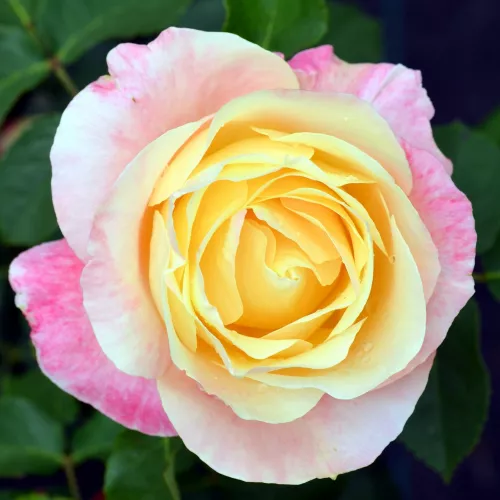
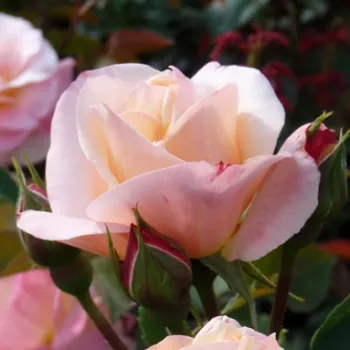
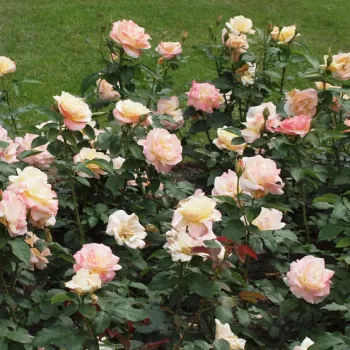
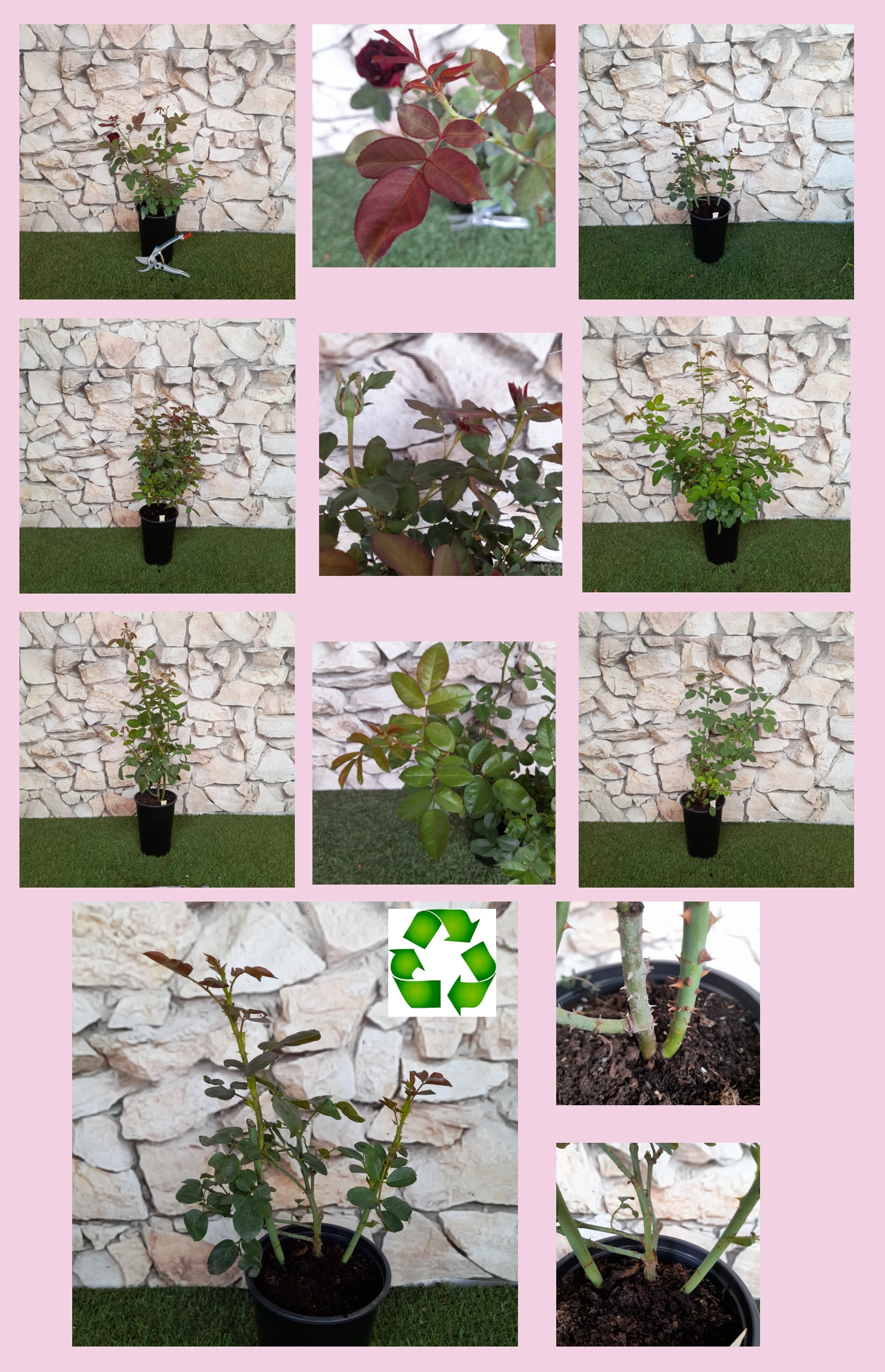
With its softly glowing peach-pink blooms and upright, bushy habit, APRICOT QUEEN ELIZABETH brings balance to compact London front gardens and small family plots, thriving even where heavy soil meets coastal winds and frequent showers in a rain-resilient, easy-care planting. Large, double, cluster-flowering heads open in waves from early summer well into autumn, giving a long, colourful season with only modest deadheading needed to keep beds looking orderly. As an own-root rose in the pharmaROSA® ORIGINAL 2-litre pot, it settles reliably, building a deep, resilient root system for a genuinely long-lived, sustainable feature that can regenerate well if cut back hard or nibbled. In mixed beds, its dense, glossy foliage forms a dark green backdrop for softer perennials, while its strong, long-lasting fragrance adds evening drama by the front door or along a narrow path after rain. In larger containers of at least 40–50 litres filled with peat-free compost, this grandiflora maintains good structure and flowering performance, provided drainage is sound and watering is steady. Expect a gentle development: roots in the first year, taller shoots in the second, and full ornamental impact by the third, making it a calm, future-proof choice for busy urban gardeners. Its medium maintenance needs stay manageable with sensible spacing, mulching and a simple, once-a-year pruning routine that fits easily into everyday life.
Usage options
| Target area | Reasoning |
|---|
| Small front garden feature rose |
The upright, bushy habit and moderate height create a well-proportioned vertical accent that fits neatly beside a front door or bay window without overwhelming the space, giving a calm, balanced look for the time-pressed homeowner. |
| Bedding and mass planting in family gardens |
Cluster-flowering stems, remontant blooming and good colour retention give long-season display in beds, especially when planted in groups at the recommended spacing, keeping borders full and floriferous with very little effort for the casual gardener. |
| Low informal hedge along a path |
Regular spacing at hedge distance produces a gently upright, semi-formal line, guiding the eye along paths while still allowing light and airflow, with the dense foliage masking boundaries for a softer look appreciated by design-conscious neighbours. |
| Cut flowers from a domestic garden |
Large, double blooms on reasonably long, straight stems and a strong, long-lasting scent make this rose ideal for cutting a few stems for the house, extending its value from garden to vase for fragrance-loving residents. |
| Rain-resilient urban mixed border |
Glossy, dense foliage and black spot resistance help the plant stay attractive through wet spells, so it sits well in rainwater-managed, clay-soil city borders that must cope with changeable weather for sustainability-minded town-dwellers. |
| Solitary specimen in a large container |
In a 40–50 litre or larger pot with good drainage, the compact footprint and upright structure create a tidy, showy specimen that can frame steps or balconies, simplifying hard-surface front gardens for busy urban renters. |
| Medium-input family planting schemes |
Moderate maintenance needs, moderate drought tolerance and own-root resilience mean an occasional tidy, feed and check for pests is usually sufficient, fitting comfortably into the routines of time-limited beginners. |
| Long-term, future-proof planting plan |
Own-root growth supports longevity and recovery after hard pruning, so once established it becomes a stable structural element that improves year on year, rewarding patient gardeners planning for the next decade of their garden. |
Styling ideas
- Urban Promenade – line a narrow front path with APRICOT QUEEN ELIZABETH and low lavender to create a scented, upright corridor that stays neat yet romantic – perfect for terrace-house owners wanting elegance from minimal upkeep.
- Soft Sunset Bed – combine this rose with nepeta and pale pink salvia in a small front border for a hazy peach-and-lilac palette that flowers for months – ideal for beginners favouring gentle pastels over complex planting plans.
- Container Welcome – plant one rose in a 50-litre pot with trailing thyme and heuchera at the base to frame a doorway with fragrance and year-round foliage – suited to paved front gardens needing a simple, movable focal point.
- Family-Friendly Ribbon – use a loose row of APRICOT QUEEN ELIZABETH edged with low evergreen grasses to define play lawns without hard barriers – good for families seeking structure that remains soft and safe around children.
- Timeless Accent – mix this rose with compact box or yew shapes and gravel for a clean, contemporary-meets-classic scheme that looks composed in all seasons – appealing to professionals wanting low-fuss order in small gardens.
Technical cultivar profile
| Parameter | Data |
|---|
| Name and registration |
APRICOT QUEEN ELIZABETH, a bedding grandiflora rose in the bed rose group; ARS exhibition name matches trade name, marketed as a premium own-root, container-grown garden variety. |
| Origin and breeding |
Sport of ‘Queen Elizabeth’, bred and introduced by H.A. Verschuren & Zonen in the Netherlands around 1980, maintaining grandiflora character with a distinct apricot-peach flower colour. |
| Awards and recognition |
Top-Rose distinction in competition, highlighting its dependable garden performance and ornamental appeal within the bedding grandiflora class for both private gardens and shows. |
| Growth and structural characteristics |
Upright, bushy shrub reaching about 75–105 cm high and 50–70 cm wide, with dense, glossy dark green foliage and moderate prickliness, forming a compact, well-filled bedding or hedge plant. |
| Flower morphology |
Double, cup-shaped blooms with 26–39 petals, large-flowered clusters on upright stems; remontant habit delivers an abundant second flush, particularly effective in mass plantings and cutting. |
| Colour data and phenology |
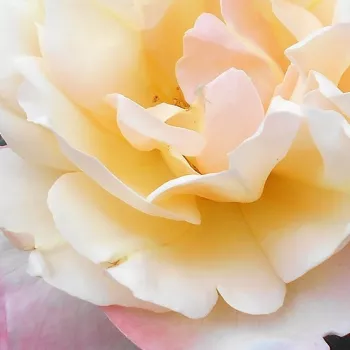
Peach-pink flowers with warm salmon and orange tones; RHS 24C outer and 25B inner petals, colour lightening in strong sun yet remaining richer in cooler weather during the flowering season. |
| Fragrance and aroma |
Strong, long-lasting sweet fragrance with classic rose character; well perceived near entrances, seating areas and along paths, adding sensory value to relatively compact planting spaces. |
| Hip characteristics |
Low hip set due to double flowers; occasional ovoid, orange-red hips about 13–17 mm across may form, adding modest late-season interest without significantly affecting ornamental flowering. |
| Resistance and winter hardiness |
Hardy to approximately −26 to −23 °C (RHS H7; USDA 5b, Swedish zone 4); good black spot resistance with moderate tolerance to powdery mildew and rust when grown in a sunny, airy position. |
| Horticultural recommendations |
Best in full sun with fertile, well-drained soil; suitable for beds, hedges, specimens and cutting. Space 35–65 cm depending on use, feed annually, prune in late winter and deadhead to extend display. |
APRICOT QUEEN ELIZABETH offers long-season apricot blooms, strong fragrance and compact structure in a resilient own-root form that rewards patient gardeners with enduring beauty, making it a thoughtful choice for your next planting decision.