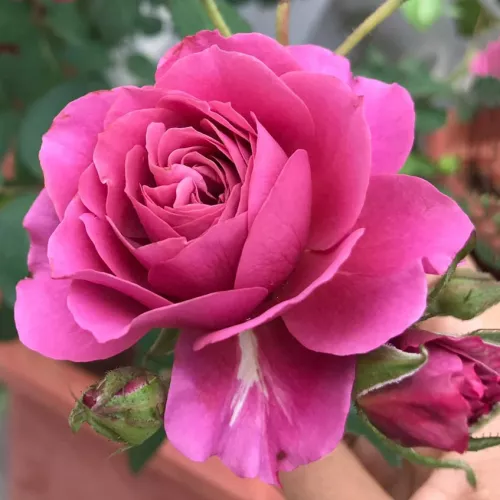
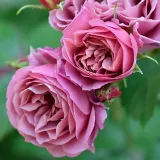
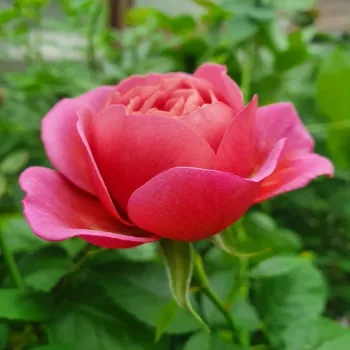
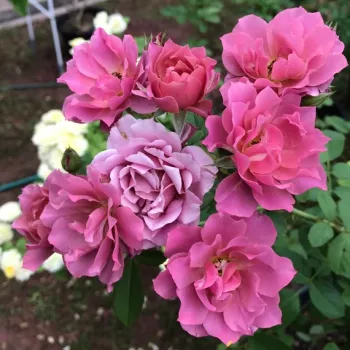
AOI – pink-lilac shaded bedding floribunda rose – Kunieda
Step off the pavement into a softly coloured front garden where lavender blooms of AOI hover above neat, bushy growth, handling breezy, damp weather and coastal showers with reassuring ease; this compact floribunda offers balance between delicacy of flower and practical performance in a typical London terrace plot, thriving in mixed borders or generous containers, and settling in reliably as roots, then shoots, then full display build across three seasons; its almost thornless stems make maintenance simpler in narrow paths and small family spaces, while own‑root robustness supports a long-lived structure, gentle fragrance, predictable repeat flowering, and quietly sustainable garden rhythm for years to come.
Usage options
| Target area |
Reasoning |
| Front-garden feature beside a pathway |
Compact, bushy growth and medium height keep AOI tidy along narrow front paths, while its pastel lavender-lilac blooms repeat through the season for consistent kerb appeal with minimal shaping, reassuring for the beginner. |
| Rainwater-friendly urban bed on heavy clay |
AOI’s own-root form settles steadily into improved clay soil, responding well where drainage is managed with grit and compost, so its long-lived framework copes reliably with frequent wet spells and breezy, rain-lashed days for the urbanite. |
| Medium to large container (40–50 litres or more) |
Grown in a generous peat-free container, AOI’s modest spread and upright habit suit small terraces; regular watering with saved rainwater and light feeding support repeat flushes without complex pruning for the balcony-owner. |
| Low, almost thornless family border |
Nearly thornless stems make this rose easier around children and pets, and its structured, bushy habit forms a reliable low hedge or edging, needing only occasional deadheading to look cared-for by the family-gardener. |
| Cut-flower corner in a small garden |
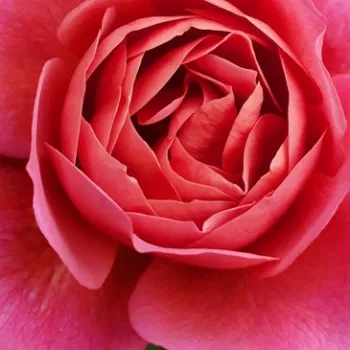
Medium, cupped, very double blooms hold their cool lavender-pink tones well for cutting; planting a few together provides regular stems in season so you can enjoy subtle, mild fragrance indoors as a home-decorator. |
| Long-term, own-root specimen rose |
As an own-root plant, AOI develops a stable framework that can regenerate from the base after winter or pruning, giving a dependable, long-lived presence with fewer replacement costs for the planner. |
| Part-shaded terrace or east-facing garden |
AOI tolerates partial shade, where cooler aspects help preserve its lavender-lilac colouring and reduce fading, allowing a refined, “girly” palette even in less-than-ideal sun for the town-dweller. |
| Structured, easy-care flowerbed composition |
Its predictable 70–90 cm height, neat 35–55 cm spread and remontant flowering make AOI a straightforward choice for simple, repeatable planting patterns that still feel romantic to the time-poor. |
Styling ideas
- Terrace-Romance – Group AOI in a 50-litre pot with trailing nepeta for lavender-on-lilac softness along a London terrace step – ideal for the style-conscious urban gardener.
- Girly-Border – Weave AOI through a low front border with Scabiosa caucasica and pale pink salvias for a pastel, feminine look – perfect for families wanting gentle colour.
- Pathway-Edge – Plant a short run of AOI beside a narrow path where its compact, almost thornless habit stays neat – suited to busy homeowners who prefer low-effort trimming.
- Cutting-Nook – Create a small cutting strip with three AOI roses and airy Physostegia ‘Rosea’ to harvest soft-toned stems all summer – attractive for hobby florists.
- Clay-Garden – Position AOI in an improved clay bed with added grit, pairing with drought-tolerant lavender for colour and structure – helpful for gardeners on heavy soils.
Technical cultivar profile
| Property |
Data |
| Name and registration |
AOI – pink-lilac shaded bedding floribunda rose – Kunieda; flowerbed floribunda rose in the Bed rose commercial group, verified cultivar authenticity and premium gold quality rating for reliable garden performance. |
| Origin and breeding |
Bred by Keiji Kunieda at Rose Farm Keiji, Shiga Prefecture, Japan; introduced and registered in 2007 with parentage not recorded, reflecting contemporary Japanese breeding for refined pastel garden roses. |
| Growth and structural characteristics |
Bushy floribunda, around 70–90 cm high and 35–55 cm wide, with sparse, slightly glossy mid-green foliage and almost thornless stems; clusters of flowers on a compact, manageable framework suited to small gardens. |
| Flower morphology |
Medium-sized, cupped, very double blooms with over 40 petals borne in clusters; remontant habit with a particularly generous second flush, some spent blooms requiring manual deadheading to keep plants tidy. |
| Colour data and phenology |
Cool lavender-lilac with pinkish-purple tones; buds dull lilac-pink, opening pastel and deepening in cooler weather, lightly paling in strong sun; moderate colour retention gives gently shifting shades through each flush. |
| Fragrance and aroma |
Mild but pleasantly noticeable rose fragrance, delicate rather than overpowering, contributing a subtle scented presence along paths or in cut arrangements without dominating nearby planting or seating areas. |
| Hip characteristics |
Occasional spherical orange-red hips, 8–12 mm across, may develop after flowering if not deadheaded; modest ornamental value, allowing either a clean look or light autumn interest depending on maintenance choices. |
| Resistance and winter hardiness |
Hardy to approximately −21 to −18 °C (RHS H7; Swedish Zone 3; USDA 6b); tolerates heat with watering in dry spells, but shows moderate susceptibility to powdery mildew and black spot and high susceptibility to rust. |
| Horticultural recommendations |
Best in well-drained, enriched garden soil or large containers; tolerates partial shade; space 25–50 cm depending on use; requires regular plant-protection treatments where fungal pressure is high, plus routine deadheading. |
AOI – pink-lilac shaded bedding floribunda rose – Kunieda offers compact structure, repeat flowering and gentle fragrance on a resilient own-root plant, making it a thoughtful choice for long-term, low-fuss front gardens.