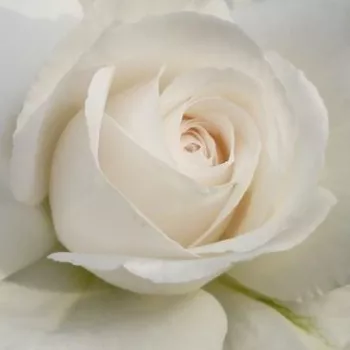
ANNAPURNA™ – white hybrid tea rose – Dorieux
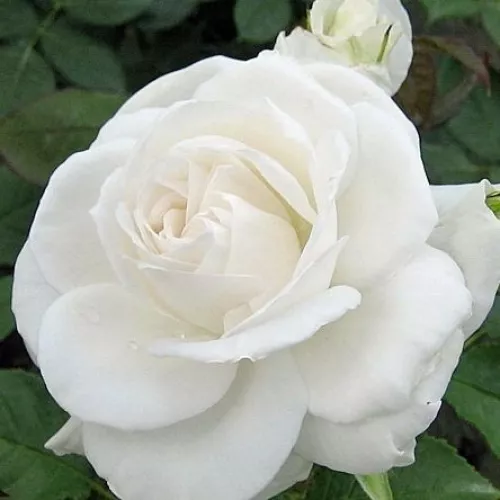
Like a narrow paved path after summer rain, ANNAPURNA™ brings a sense of balance and quiet luxury to compact front gardens, where its pure white, high-centred blooms glow against dark foliage with remarkable longevity. Bred for exhibition form yet easy enough for hobby gardeners, this bushy hybrid tea offers reliable flowering from early summer well into autumn, even where damp air and overcast days bring higher fungal pressure. Own-root production supports a long-lived, resilient shrub with graceful regeneration after pruning or weather damage and stable shape over many seasons. In year one it concentrates on roots, year two brings confident new shoots, and by year three it settles into full ornamental impact. Ideal for small London terraces and rainwater-fed containers, it pairs beautifully with lavender or nepeta for soft movement and low maintenance, while its powerful, far-carrying perfume adds evening around the front door.
Usage options
| Target area | Reasoning |
|---|
| Front garden focal point |
The high-centred, snow-white blooms create a clean, architectural look that reads beautifully from the pavement, especially in smaller terraced-house plots. Well-structured, bushy growth gives an elegant vertical accent without overwhelming narrow beds, suiting the needs of the style-conscious homeowner. |
| Cutting for the house |
Exhibition-style, long-stemmed flowers with very double petals are ideal for vases, offering classic hybrid tea form and impressive vase life. Strong stems and firm petals help blooms open slowly indoors, giving many days of enjoyment to the fragrance-loving gardener. |
| Rainwater-fed container planting |
This compact hybrid tea fits well in a 40–50 litre container, where a free-draining mix combined with stored rainwater supports steady growth and healthy foliage even in showery, breezy conditions, making it practical for environmentally minded city-dweller. |
| Low-maintenance specimen rose |
Own-root growth produces a stable, well-balanced shrub that thickens gradually without complex pruning, so you mainly remove old blooms and occasional dead wood. Over time, replacement shoots arise from the base, preserving shape and ornamental value for the busy beginner. |
| Small rose bed in heavy soil |
Its bushy habit and moderate spread allow planting in tighter front beds where improved drainage on heavy clay is possible; once established, it copes reliably with typical British showers and breezes in constrained sites, reassuring the practical garden-owner. |
| Perfumed seating area |
The very strong, far-scented, sweet-floral perfume carries along paths and sitting areas, particularly on still evenings, creating a luxurious atmosphere from a single shrub, which especially appeals to those who cherish sensory spaces as a relaxing retreat-seeker. |
| Mixed planting with perennials |
The pure white blooms act as a calming anchor among softer blues and purples such as lavender, sage or nepeta, giving an airy, romantic effect with season-long interest, while the dark foliage provides contrast appreciated by the design-aware plant-lover. |
| Long-term garden investment |
As an own-root plant, it is not dependent on a graft union and can re-sprout from below ground if damaged, supporting a long garden life with consistent flower quality, a reassuring feature for the sustainability-focused planner. |
Styling ideas
- Doorway – Plant as a single specimen by the front step with slate chippings and a discreet underplanting of thyme for a calm, monochrome welcome – ideal for urban homeowners.
- Terrace – Grow in a 50 litre clay pot with a free-draining, peat-free mix and a skirt of trailing nepeta to soften edges – perfect for balcony or roof-terrace gardeners.
- Classic – Arrange a short row along a narrow path, alternating with lavender or dwarf sage to echo traditional rose borders in a compact format – suited to cottage-style enthusiasts.
- Minimalist – Set three plants in a gravel strip with steel edging and evergreen box balls for a crisp, white-and-green scheme – appealing to lovers of contemporary design.
- Romantic – Combine with foxgloves and white liatris in a small bed for layered height, soft movement and dusk fragrance – attractive for those seeking a “girly” front garden.
Technical cultivar profile
| Parameter | Data |
|---|
| Name and registration |
Hybrid tea rose; registered as DORblan, marketed as ANNAPURNA™ Hybrid tea rose DORblan; exhibition name Annapurna; part of the hybrid tea rose commercial group. |
| Origin and breeding |
Bred by François Dorieux II in France and introduced in 2000 by Pépinières & Roseraies Dorieux; parentage not recorded but selected for pure white colour and refined flower form. |
| Awards and recognition |
Highly decorated exhibition rose with multiple gold medals in Rome, Geneva, Baden‑Baden, Saverne and Prague, plus fragrance and certificate awards from The Hague, Courtrai, Lyon, Orléans and AJJH. |
| Growth and structural characteristics |
Bushy, upright shrub reaching about 70–95 cm high and 35–55 cm wide, with dense, slightly glossy dark green foliage and moderate prickliness, forming a compact, formal-looking plant. |
| Flower morphology |
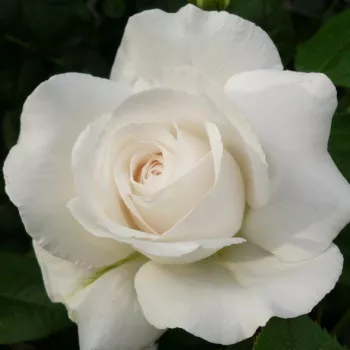
Large, very double, high-centred hybrid tea blooms with 40+ petals, borne mostly singly on stems; remontant habit with a notably abundant second flush extending ornamental value. |
| Colour data and phenology |
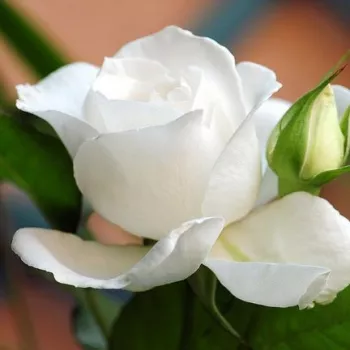
Pure, bright white flowers with subtle ivory depth; buds pale ivory with green tint, opening to matt white with silvery edges; colour holds well with minimal fading throughout the flowering period. |
| Fragrance and aroma |
Very strong, far-reaching sweet-floral rose fragrance; primarily an ornamental variety since tightly filled blooms hide stamens and contribute more to scent and appearance than to pollinator foraging. |
| Hip characteristics |
Occasional small, spherical orange-red hips about 10–14 mm across, offering modest late-season decorative interest without being a main ornamental feature of the cultivar. |
| Resistance and winter hardiness |
Rated H7 and hardy to around −21 to −18 °C; good black spot resistance with medium tolerance to powdery mildew and rust; copes with warm spells but needs watering in prolonged dry weather. |
| Horticultural recommendations |
Suited to beds, edging, containers and cutting; plant 25–50 cm apart depending on use, around 10–11 plants/m² for massing; tolerates partial shade and benefits from routine, not intensive, plant protection. |
ANNAPURNA™ Hybrid tea rose DORblan offers pure white, long-lasting blooms, powerful fragrance and stable, own-root growth; a refined choice if you are planning a compact, enduring front-garden rose.