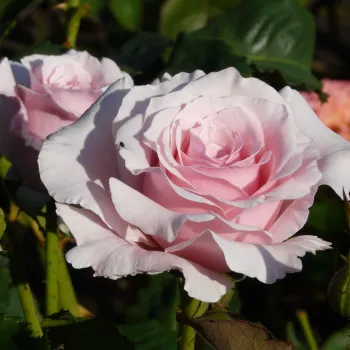
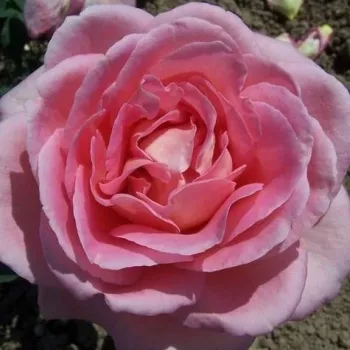
ANNA PAVLOVA – pink hybrid tea rose
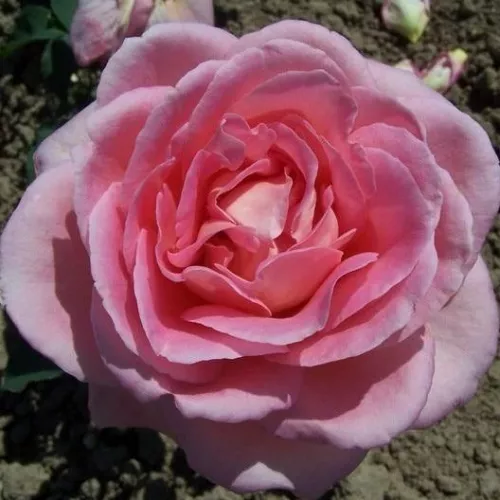
Imagine a London terrace front garden after rain, where glossy foliage holds silver droplets and tall, pastel-pink blooms line your path in serene balance. ANNA PAVLOVA is a refined hybrid tea bred by Peter Beales, combining romantic fragrance with reliable garden performance for busy households. Its strong disease resistance helps it cope with damp, changeable weather and heavier soils in small urban plots, supporting sustainability with low-input care. As an own-root rose it grows steadily into a long-lived, regenerating shrub, offering increasing impact year by year, from quiet establishment to full display. Ideal for rainwater-conscious front gardens and large containers, it pairs beautifully with lavender and sages to enhance a calm mood, while upright stems yield exquisite cut flowers for the home. Enjoy a graceful, garden-filling presence without complex maintenance, as roots strengthen first, then shoots build, and by the third season the rose reaches its full ornamental character.
Usage options
| Target area |
Reasoning |
| Front garden focal point |
The upright, moderately tall habit and classic, high-centred blooms create an elegant focus beside a path, gate or front door, giving structure without dominating a small plot; ideal for a welcoming entrance for the urban homeowner. |
| Low-input family flower bed |
Good resistance to black spot, mildew and rust means fewer sprays and less worry in busy family gardens, especially where children and pets play, supporting relaxed weekend gardening for the time-pressed gardener. |
| Cut-flower and vase rose |
Large, double, long-stemmed blooms hold their form well in the vase, so a single bush can provide repeated, classic roses for the table, perfect for those who like to bring garden flowers indoors for the home decorator. |
| Long-lived structural planting |
As an own-root hybrid tea it builds a durable framework that can regenerate from the base if damaged, offering stable ornamental value over many years with minimal replacement for the long-term planner. |
| Rain-aware, clay-soil city plots |
Strong health and tolerance of typical British damp spells suit small urban gardens where heavy clay and poor airflow can encourage disease, helping manage wetter seasons more calmly for the sustainability-minded gardener. |
| Large container on balcony or terrace |
Its upright habit and moderate spread suit a single specimen in a 40–50 litre peat-free container, giving height and scent without overwhelming tight spaces, a good choice for the balcony gardener. |
| Romantic “girly” pastel scheme |
Soft, porcelain-pink flowers that fade gently to cream blend effortlessly with lavender, catmint and airy perennials, creating a light, feminine mood in small front gardens for the pastel lover. |
| Progressive three-year garden enhancement |
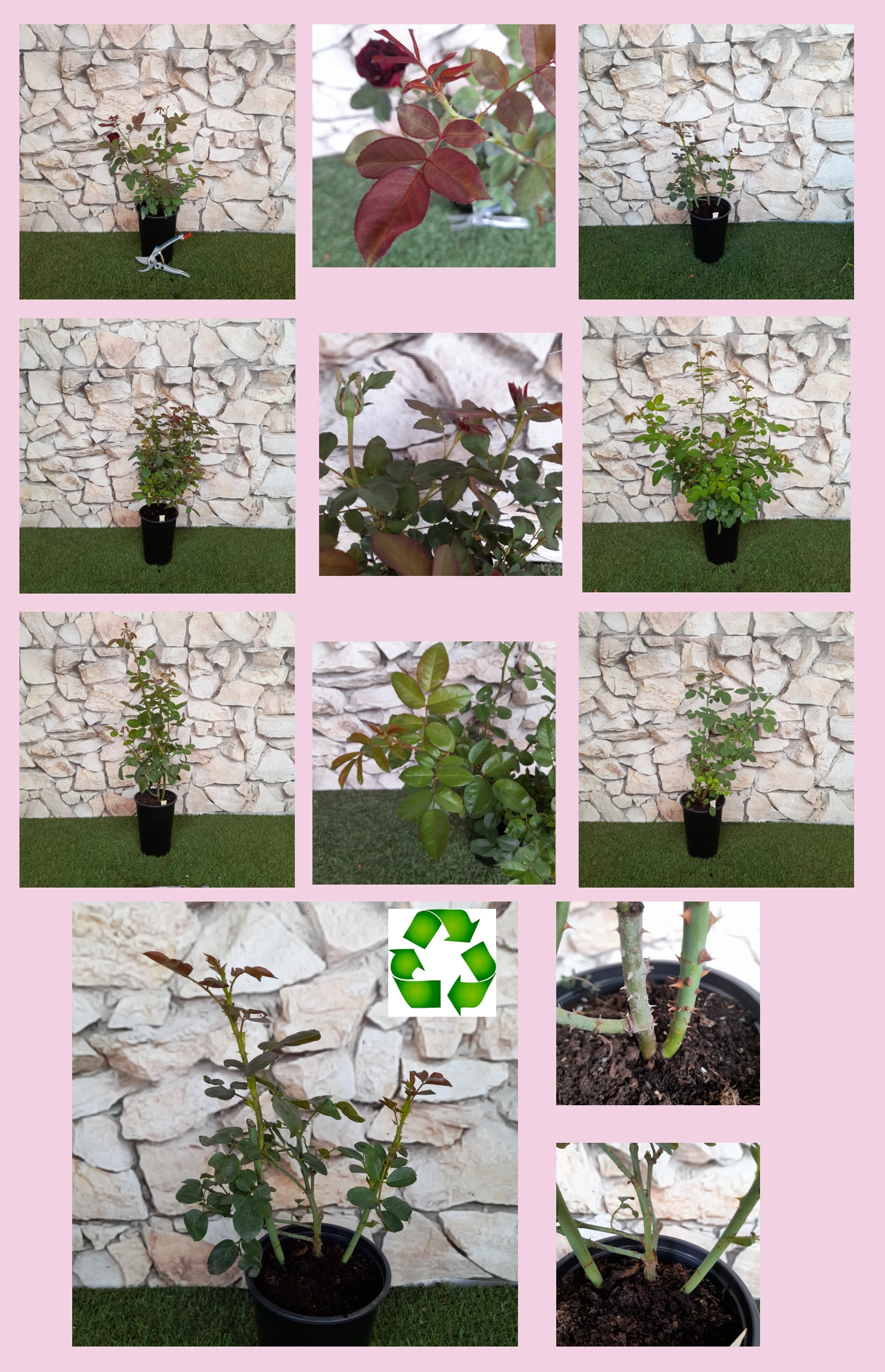
In the first year it concentrates on roots, the second year brings stronger shoots and better repeat flowering, and by the third season it delivers its full, reliable display for the patient beginner. |
Styling ideas
- Terrace-Edge Elegance – Line a narrow front path with ANNA PAVLOVA and low lavender, using rainwater from a butt to irrigate, for a calm, fragrant arrival – ideal for small-plot city dwellers.
- Pastel Romance – Combine with soft geraniums and oxeye daisies in a loose border so the pink cups float above a white and lilac haze – suited to lovers of gentle, feminine planting.
- Classic Cut-Flower Corner – Plant two or three bushes in a sunny corner bed solely for cutting, underplanted with low nepeta to hide bare stems – perfect for home florists.
- Container Statement – Grow a single shrub in a 50-litre pot with peat-free compost and gravel drainage, flanked by aromatic sages – a strong option for balcony and patio owners.
- Structured Serenity – Use as repeating vertical accents among airy grasses and phlox to bring order and scent to relaxed, rain-tolerant planting – best for design-conscious beginners.
Technical cultivar profile
| Characteristic |
Data |
| Name and registration |
Hybrid tea rose, registered as BEAann, marketed as Anna Pavlova Hybrid tea rose BEAann; ARS exhibition name Anna Pavlova. Belongs to the Hybrid Tea commercial group with classic exhibition-style blooms. |
| Origin and breeding |
Bred by Peter Leslie Beales in the United Kingdom and introduced in 1981 by Peter Beales Roses Ltd. Parentage is not recorded, but selection focused on refined form and reliable repeat flowering. |
| Awards and recognition |
Genoa Rose Competition Silver Medal, Italy, 1986, recognising its ornamental value and performance under trial conditions, particularly the quality of its hybrid tea blooms and overall garden presence. |
| Growth and structural characteristics |
Upright shrub, around 80–120 cm tall and 100–140 cm wide, with moderately dense, glossy dark green foliage and sparse prickles. Requires manual deadheading, as spent flowers tend to remain on the stems. |
| Flower morphology |
Large, double, high-centred hybrid tea blooms with 26–39 petals, usually borne singly on stems. A good repeat-bloomer, producing a notably abundant second flush in favourable conditions through the season. |
| Colour data and phenology |
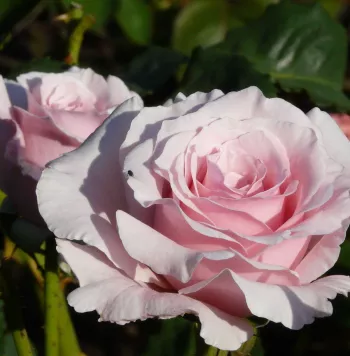
Delicate pastel pink, ARS LP; RHS 65D outer, 62C inner. Buds open porcelain-pink with warmer tones, then soften to near-cream with a powder-pink centre as the flower ages, creating a gentle, evolving colour effect. |
| Fragrance and aroma |
Very strong, classic rose fragrance that fills the surrounding garden area in still weather. Scent is sweet and traditional rather than spicy, making it particularly suitable for seating areas and cutting for the house. |
| Hip characteristics |
Hip set is sparse due to the very double flowers. Occasional small, ovoid, orange-red hips, around 8–12 mm, may form late in the season, though the variety is grown primarily for its showy blooms. |
| Resistance and winter hardiness |
Rated resistant to powdery mildew, black spot and rust. Hardy to approximately −21 to −18 °C (RHS H7, Swedish zone 3, USDA 6b), offering reliable overwintering under typical UK garden conditions. |
| Horticultural recommendations |
Best in full sun with well-drained soil; prefers regular deadheading to maintain flowering. Allow wider spacing as a specimen, or 110–120 cm for hedging or groups, and feed annually for sustained performance. |
ANNA PAVLOVA offers very strong scent, reliable repeat flowering and long-lived, own-root robustness; an excellent choice if you would like a graceful, low-fuss hybrid tea for years to come.