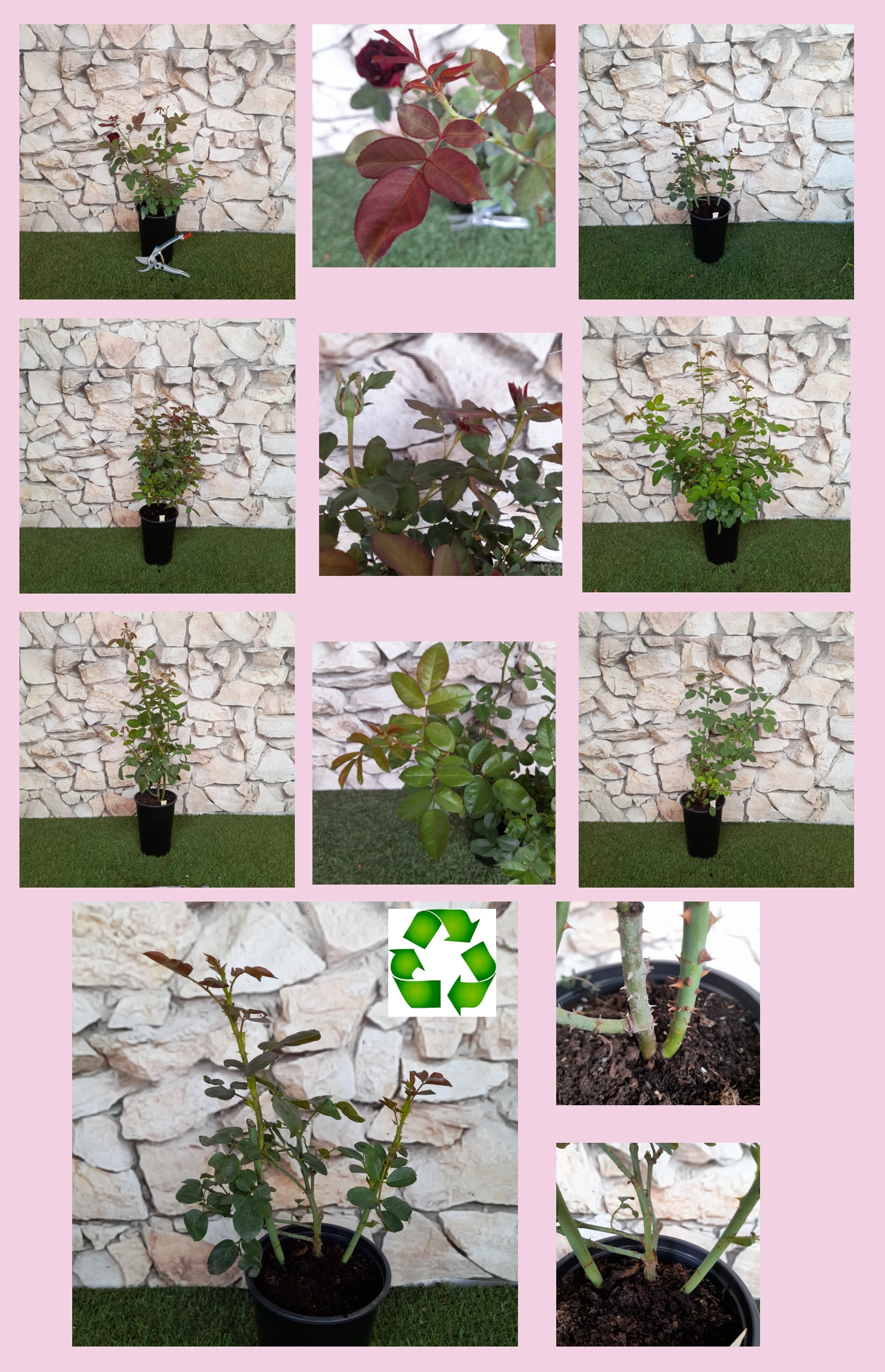
ALBÉRIC BARBIER – cream-white historic rambler, climbing-spreading rose
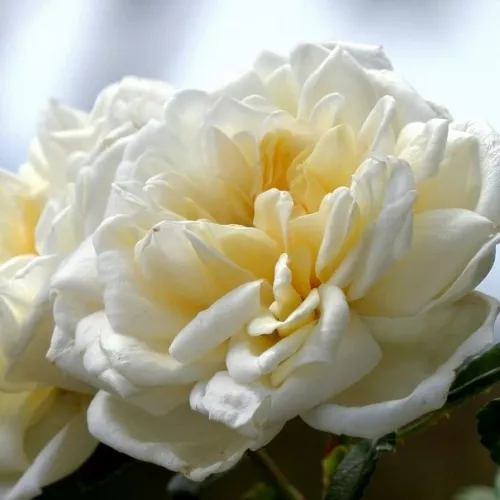
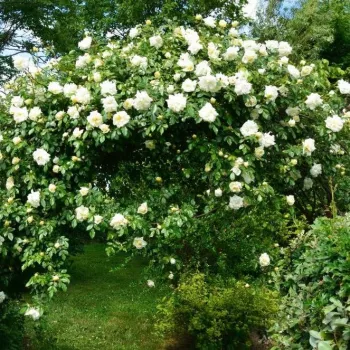
With its cascading habit and creamy rosettes, ALBÉRIC BARBIER creates a quietly romantic structure for pergolas, walls and mature trees, while remaining reassuringly easy to manage once established. Bred in 1900 and supplied on its own roots, it is valued for long-term longevity, steady growth and natural resilience, even in typical British summers with frequent showers and coastal winds. Strong, sweet, fruity-almond fragrance turns a narrow front path into an enveloping evening walk, and its tolerance of light shade makes it ideal where buildings and fences limit full sun. The flexible, sparsely thorned canes are simple to fan out along supports, while the own-root form builds a durable framework that rewards patient gardeners as it moves from rooting in year one, to structural shoots in year two, and full ornamental presence by year three, offering a sustainable sense of planted balance and long-term impact in a modest family garden.
Usage options
| Target area |
Reasoning |
| London terraced-house front garden arch or pergola |
Creates a generous once-a-year flower curtain with strong scent over a narrow front path, transforming a compact entrance into a seasonal event. Once trained, pruning is light, suiting time-pressed city gardeners seeking low maintenance beauty |
| Rainwater-conscious urban wall or fence greening |
Long, flexible canes quickly cloak fences or south-facing walls, softening brickwork and guiding rain down into planting beds rather than paving. This suits exposed, shower-prone sites where coastal breezes and regular rainfall are part of everyday weather for sustainability-focused homeowners |
| Shady side return or north-east facing passage |
Tolerates partial shade, so it copes where light is filtered by buildings, yet still produces a flush of pale, light-catching blooms. Ideal along side alleys between houses where many roses struggle but vertical greening is highly desirable for space-conscious urban gardeners |
| Training into a small tree for a “fairy-tale” canopy |
The creeping rambler habit can be guided into the lower crown of a sturdy small tree, where arching growth and glossy foliage create a romantic, storybook canopy during peak bloom. Best for those wanting a single, dramatic annual display in characterful family gardens |
| Large container or planter (minimum 40–50 litres) |
In substantial planters, roots establish safely before canes are led onto railings or arches, giving flexibility in paved front gardens. Own-root plants respond well to gradual up-potting, aiding long-term stability and reducing replacement frequency for careful beginner gardeners |
| Historic-style planting with herbs and perennials |
Pairs beautifully with lavender, sage or nepeta at ground level, their soft blues and purples grounding the cream-white flowers above. This layered effect keeps interest after the main flush, supporting a coherent, low-fuss scheme for design-aware home owners |
| Low-intervention family garden boundary |
Once tied in and shaped, the medium maintenance level mainly involves occasional thinning and basic health checks. Own-root resilience supports recovery after wind, minor neglect or accidental damage, extending the useful life of the planting for busy family households |
| Coastal or exposed suburban plots |
Good heat tolerance, robust foliage and proven garden performance mean the plant copes well where wind and sun can be harsher, provided soil is improved for drainage and deep rooting. This makes it a sound structural choice for pragmatic long-term planners |
Styling ideas
- Front-Door Bower – Train ALBÉRIC BARBIER over a slim metal arch, underplant with lavender and compact nepeta to scent the air and soften paving – ideal for welcoming London terrace entrances
- Green-Curtain Fence – Run canes along horizontal wires on a front boundary, underplant with airy grasses to catch rainwater and reduce hard surfacing – suited to eco-minded urban households
- Fairy-Tale Tree – Allow stems to climb into a small ornamental tree, with woodland-style planting beneath, for a once-a-year cloud of cream-white flowers – perfect for romantic family gardens
- Courtyard Classic – Grow in a 50-litre planter and fan against a sunny wall; add pots of sage and thyme at the base for texture and scent – practical where soil is limited or paved
- Historical Walkway – Use a pair of pergolas along a side path, combining ALBÉRIC BARBIER with low catmint for a soft, “girly” tunnel of bloom – appealing to those who enjoy period charm
Technical cultivar profile
| Property |
Data |
| Name and registration |
Albéric Barbier is a historical rambler from the Hybrid Wichurana group, traded as ALBÉRIC BARBIER – cream-white historic rambler, climbing-spreading rose, known for ornamental climbing and landscape use. |
| Origin and breeding |
Bred by René Barbier of Barbier Frères & Compagnie in France around 1900, from Rosa wichurana × ‘Shirley Hibberd’; an unregistered but long-established garden variety of notable heritage value. |
| Awards and recognition |
Holds the RHS Award of Garden Merit (1993), indicating proven performance, reliability and ornamental impact under typical UK garden conditions, when grown with reasonable care and basic maintenance. |
| Growth and structural characteristics |
Vigorous, creeping rambler with sparsely thorned, flexible canes, dense glossy dark green foliage, reaching about 5–7.5 m tall and 2.5–5 m spread, ideal for arches, walls, pergolas, fences and tree training. |
| Flower morphology |
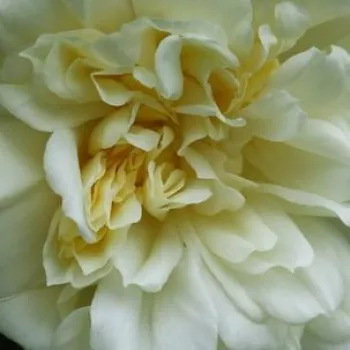
Medium-sized, double, rosette-shaped flowers, usually borne singly, with around 26–39 petals. Once-flowering, providing a single main flush that creates a striking, curtain-like display in early summer. |
| Colour data and phenology |
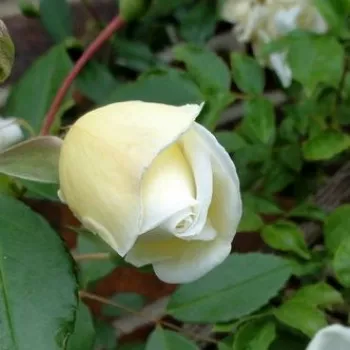
Creamy-white blooms with pale buttery-yellow centres opening from slightly tinted buds, quickly fading to near-white; overall effect is soft, light-reflecting and particularly effective in lower-light situations. |
| Fragrance and aroma |
Strong, sweet fragrance with fruity and almond nuances, carrying well around paths and seating areas, especially in still evening air; a key feature where scented impact is prioritised over repeat flowering. |
| Hip characteristics |
Hip set is usually sparse due to the fully double flowers, though occasional small, spherical, orange-red hips around 6–10 mm may appear and provide modest additional seasonal interest in late season. |
| Resistance and winter hardiness |
Hardy to approximately –20 to –15 °C (RHS H6), with good heat tolerance; medium disease resistance overall, generally robust against powdery mildew, with moderate susceptibility to black spot and rust. |
| Horticultural recommendations |
Suited to pergolas, arbours, fences, walls and tree-climbing; prefers well-drained soil and benefits from partial shade in hot areas. Medium maintenance, with occasional pruning and plant protection as needed. |
Albéric Barbier offers historic charm, strong fragrance and resilient growth on a long-lived own-root framework, making it a thoughtful choice for sustainable arches, fences or trees where you would like reliable structure and seasonal drama.