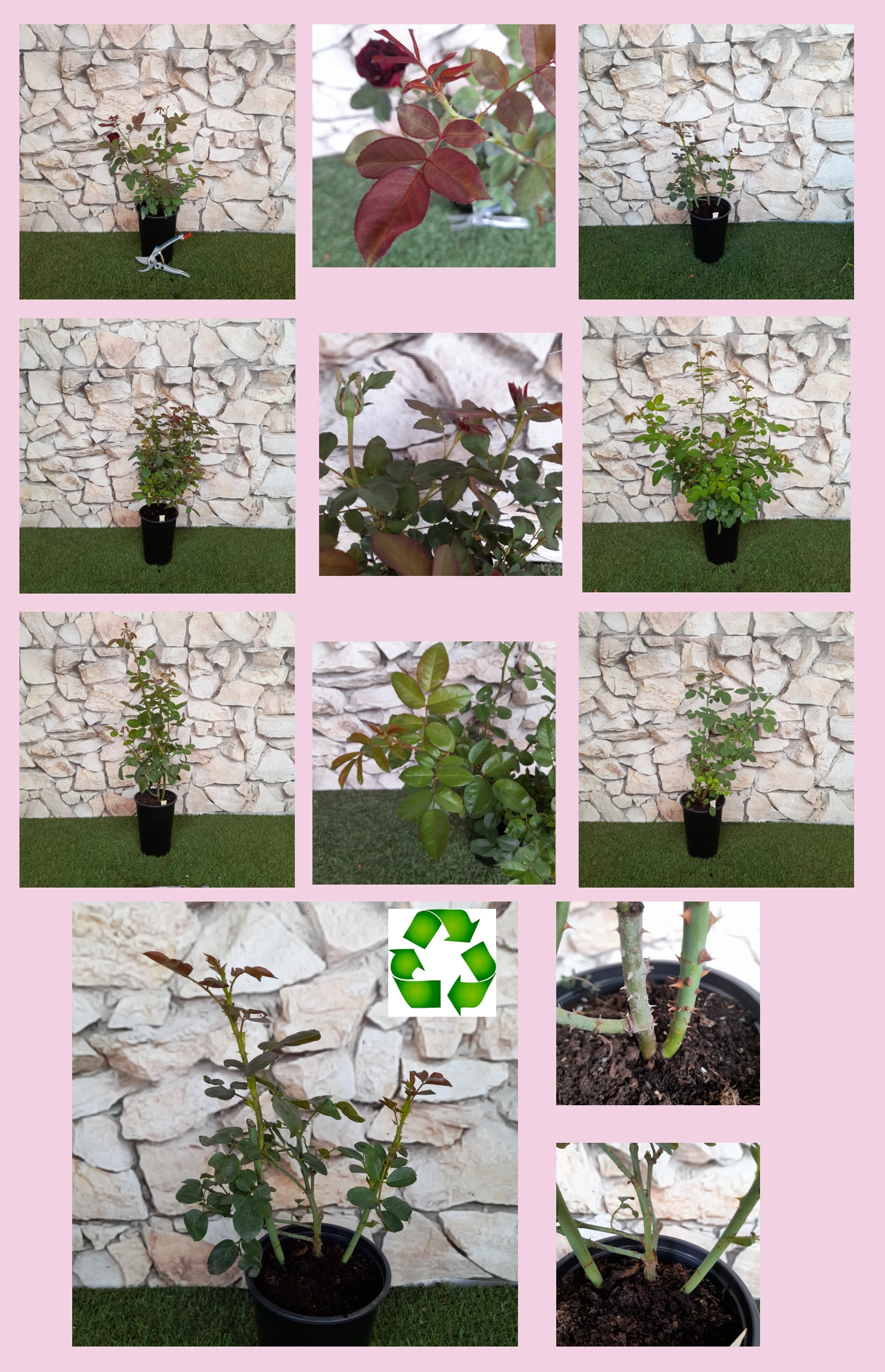
VILLAGE MAID – pink-white historic centifolia rose
Step into a calm, rain-fresh front garden with Village Maid, a historic centifolia shrub rose whose striped, pink-and-cream blooms transform even compact London terraces into a softly romantic scene. Its once-a-year summer flowering is generous and memorable, bringing weeks of full, perfumed blossom that sit elegantly above light green foliage. As an own-root shrub it offers reassuring longevity, rebuilding from the base after harsh winters and settling in steadily with the natural rhythm of year onward growth. Once established, its upright, arching framework is reliably robust for typical British weather, coping smoothly with breezy spells and spells of heavy rain that challenge many roses in small urban plots.
Usage options
| Target area |
Reasoning |
| Front-garden focal shrub |
Plant as a single specimen near the boundary or path where its striped, old-rose blooms and strong fragrance can be appreciated on daily walks to the door; the tall, arching habit creates a gentle screen that suits family homes and busy commuters. |
| Flowering hedge in a family garden |
Use at 120 cm spacing for a loose, traditional boundary hedge that flowers abundantly in early summer; own-root plants knit into a long-lived, resilient line that recovers well after pruning, ideal for households wanting structure with minimal effort. |
| Romantic mixed border in heavy clay |
Once drainage is improved, its sturdy root system copes well with typical suburban clay, the upright shrub adding height and seasonal drama above perennials, helpful where gardeners need reliable structure in changeable weather and soil. |
| Partially shaded city garden |
Performs well with a few hours of direct light and bright shade for the rest of the day; this makes it suitable for narrow, overlooked plots between houses, where a tolerant shrub rose simplifies planting choices for urban beginners. |
| Rainwater-conscious front planting |
Position near a gravel strip or rain garden where downpipes discharge; the deep, woody framework and root system cope well as the soil alternates between wet and drying, supporting simple, low-input planting for eco-minded householders. |
| Large container on terrace or balcony |
In a pot of at least 50 litres with good drainage, it becomes a vertical accent without claiming bed space, allowing renters or balcony gardeners to enjoy historic-rose character and fragrance in a movable, easy-care feature. |
| Cut flowers for the home |
The medium, very double blooms on arching stems are excellent for short arrangements and vintage-style jugs; cutting in the cool of the morning extends vase life and makes thoughtful, home-grown gifts for friends and neighbours. |
| Low-maintenance heritage rose collection |
Combines authentic nineteenth-century charm with own-root durability, so shrubs mature steadily rather than needing frequent replacement, appealing to enthusiasts who prefer establishing a long-term, characterful planting over quick-change displays. |
Styling ideas
- COTTAGE STRIPE – Underplant with lady’s mantle and nepeta for frothy lime and lavender clouds that frame the striped blooms – ideal for romantic front gardens.
- HERITAGE PATH – Line a narrow path with widely spaced shrubs and soft yarrow to guide you through scented summer arches – perfect for traditional terraced houses.
- QUIET COURTYARD – Combine with lavender and sage in large containers around a seating area to enjoy fragrance in a sheltered, paved city space – suited to busy professionals.
- RAIN-GARDEN EDGE – Place along a gravel swale with coreopsis and grasses so the deep roots and airy perennials handle fluctuating moisture – great for sustainable-minded homeowners.
- PASTEL BALCONY – Grow one shrub in a 50–60 litre pot with trailing thyme and violas to soften railings – attractive for renters wanting maximum charm in minimal space.
Technical cultivar profile
| Property |
Data |
| Name and registration |
Commercially offered as VILLAGE MAID – pink-white historic centifolia rose; traditional exhibition name Centifolia Variegata; historic shrub rose from the Heritage rose collection, unregistered but authenticity verified. |
| Origin and breeding |
Historic French centifolia rose bred around 1817, introduced to commerce in 1866, with unknown breeder and parentage; early distribution traced to Exotic Nursery in Australia, now grown widely in temperate gardens. |
| Growth and structural characteristics |
Vigorous shrub with upright, arching canes to 130–200 cm high and 110–160 cm wide; moderately dense, matt, light green foliage; densely thorny stems providing a traditional, slightly informal outline in the border. |
| Flower morphology |
Medium-sized, very double cup-shaped flowers borne in clusters, each with more than 40 petals; once-flowering in early summer rather than repeating, offering a concentrated display ideal for seasonal impact and cutting. |
| Colour data and phenology |
Cream-white ground with mauve-pink stripes and bands; buds show cyclamen spirals, newly opened blooms carry vivid streaks, then soften and blur in strong sun; RHS 155D outer and 67B inner tones create a distinctive variegated effect. |
| Fragrance and aroma |
Strong, full-bodied traditional rose scent with a lasting presence in still air; fragrance lingers along paths and seating areas, contributing to a classic old-garden atmosphere during the main flowering weeks of early summer. |
| Hip characteristics |
Hip set is usually limited due to the heavily double flower form; when present, expect occasional spherical orange-red hips about 12–18 mm across, adding a small seasonal accent later in the year. |
| Resistance and winter hardiness |
Hardy to approximately −32 to −29 °C, classed as RHS H7, USDA Zone 4b and Swedish Zone 5; disease resistance generally moderate, responding well to basic hygiene and, if needed, occasional protective treatments. |
| Horticultural recommendations |
Best with improved drainage on clay or chalk; suitable for flowerbeds, hedges, parks and as a specimen; allow 120–195 cm between plants; maintenance moderate, with some deadheading and pruning recommended after flowering. |
VILLAGE MAID offers scented summer abundance, romantic striped blooms and reassuring own-root longevity; a thoughtful choice if you would like a characterful, low-fuss heritage shrub for your garden.