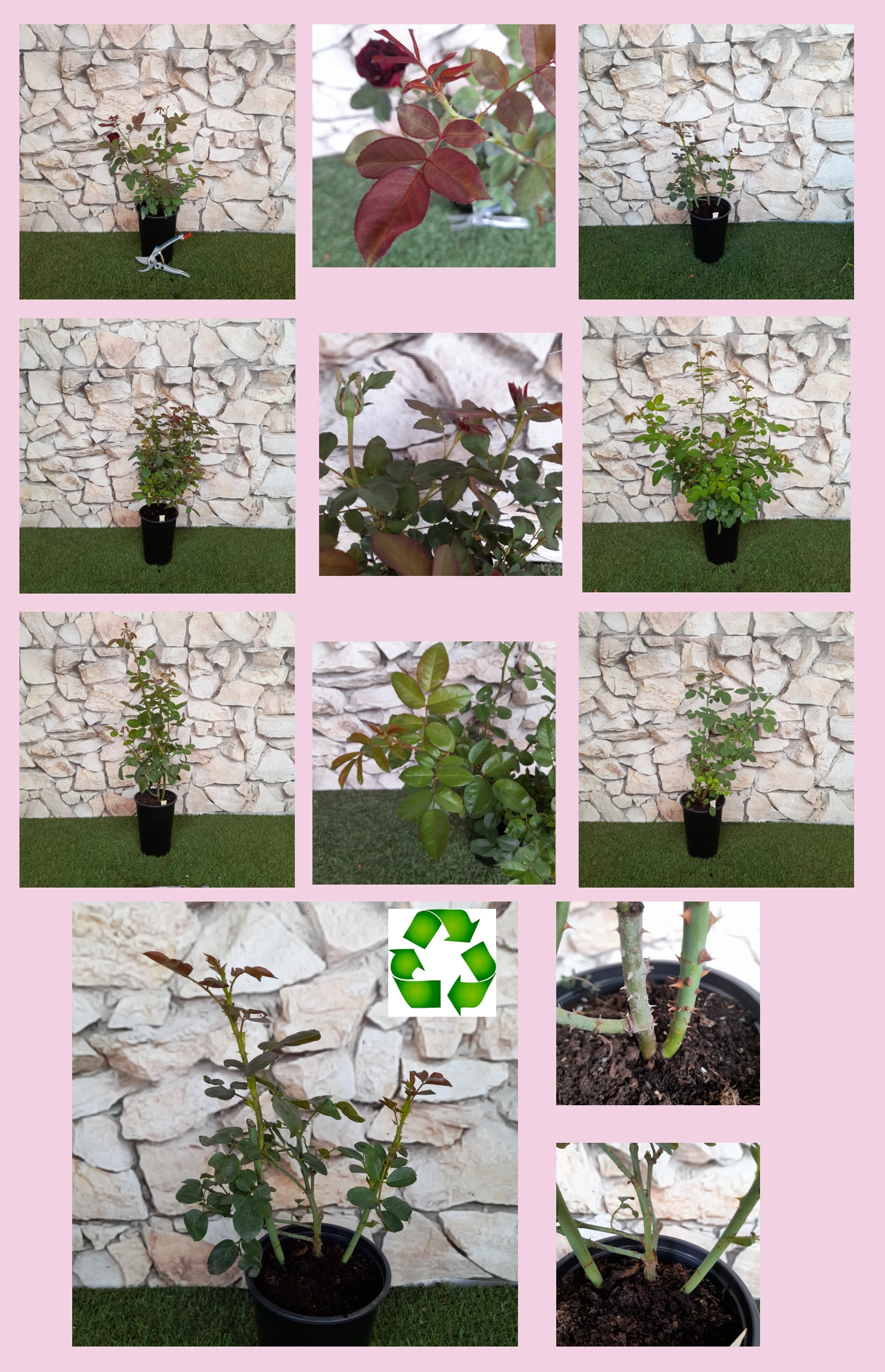
SYMPATHIE – deep red climbing rose – Kordes
With its velvety deep-red blooms and powerful scent, Sympathie brings a sense of balance to compact front gardens and terraces, thriving even where wind and rain meet heavier soils and need thoughtful drainage. This large-flowered climber flowers over a long season, its semi-double blooms drawing in bees while you simply enjoy the view. As a premium own-root rose, it offers dependable longevity, natural regeneration after pruning or weather damage, and a reassuringly stable structure on arches, fences and house walls. In its first year it concentrates on roots, in the second on shoots, and by the third you see its full garden impact. Planted in peat-free compost and watered with stored rainwater, it becomes a quietly sustainable feature that needs only light annual care to keep its rich colour and strong fragrance at their best.
Usage options
| Target area | Reasoning |
|---|
| London terraced-house front garden arch |
Use Sympathie to frame a narrow front path or doorway, training its long canes over an arch for an enveloping scented entrance that flowers for months with relatively little intervention for beginners |
| Rainwater-fed rose and lavender strip |
Along a sunny front boundary, combine Sympathie on supports with low lavender or nepeta in a free-draining, peat-free strip so captured rainwater soaks in efficiently yet excess can escape, supporting a resilient planting for sustainability-minded |
| Family seating area screen |
On a pergola or trellis beside a small patio, its dense growth, glossy foliage and repeat-flowering habit create a living privacy screen that softens views while requiring only seasonal tying-in and light pruning for busy-urban-owners |
| Pollinator-friendly vertical feature |
Train this semi-double climber up a wall-mounted frame or obelisk in a large container, where its accessible centres and repeated flushes offer regular forage alongside other nectar plants in tight spaces for wildlife-conscious |
| Low-maintenance boundary climber |
On fences in average gardens, its good hardiness and moderate disease resistance, particularly to black spot, keep maintenance straightforward, needing only occasional deadheading and tidy-up cuts once established for |
| Long-lived own-root statement rose |
Plant as a key structural rose that will thicken from the base over years, with own-root growth replacing older stems naturally so the display recovers well from tougher pruning and weather setbacks for future-focused |
| Cut-flower corner by the front gate |
Place Sympathie where its long, well-filled stems can be reached easily, allowing you to cut richly coloured, strongly scented clusters for the house without spoiling the overall effect on the structure for home-stylers |
| Clay-tolerant vertical accent in mixed border |
On heavier soils improved with compost and grit, this climber can be trained on tall supports among perennials, its strong framework and heat tolerance providing height and colour where wetter, wind-exposed conditions often challenge roses for clay-gardeners |
Styling ideas
- Doorway-drape – Train Sympathie over a slim arch by the front door, underplant with soft pink geraniums for contrast – ideal for romantic-leaning city homeowners.
- Rainchain – Position a water butt and simple chain beside a fence, letting Sympathie and blue nepeta knit around the base – suited to eco-conscious small-garden keepers.
- Ruby-screen – Create a trellised divider by the patio, pairing the deep red blooms with bronze grasses – perfect for families wanting privacy without hard fencing.
- Balcony-column – In a 50-litre container, spiral Sympathie around a slim obelisk, softened with trailing thyme – for balcony gardeners chasing vertical drama.
- Evening-bower – Cover a compact pergola with Sympathie and interplant white sage and catmint for scented, dusk-friendly colour – appealing to after-work relaxers.
Technical cultivar profile
| Property | Data |
|---|
| Name and registration |
Large-flowered climbing rose, Hybrid Kordesii group; registered as KORdalen, marketed as Sympathie Climbing rose KORdalen, ADR-rated exhibition climber suitable for garden and show use. |
| Origin and breeding |
Bred by Reimer Kordes at W. Kordes’ Söhne, Germany, from ‘Wilhelm Hansmann’ × ‘Don Juan’; introduced and registered in 1964, now a classic, widely proven climbing variety. |
| Awards and recognition |
ADR 1964, indicating tested garden performance under Central European conditions, with emphasis on overall garden worthiness rather than purely exhibition traits. |
| Growth and structural characteristics |
Strong climbing habit, typically 260–380 cm high with 150–250 cm spread; dense, glossy dark green foliage, moderately thorny canes and robust shoots suited to training on supports. |
| Flower morphology |
Semi-double, cup-shaped clusters with 13–25 petals per bloom; large flowers around 7–10 cm across, produced in generous trusses and repeating well after the first flush. |
| Colour data and phenology |
Velvety deep red with darker tones; buds dark burgundy, opening vivid red and slowly shifting towards burgundy with a smoky hue; colour holds well, only slightly paler in strong sun. |
| Fragrance and aroma |
Strong, rich rose fragrance with a classic, full character that is noticeable near paths and seating; ideal for those wanting both visual impact and a dependable scented presence. |
| Hip characteristics |
Forms moderate numbers of 12–18 mm ovoid, orange-red hips that add autumn interest if spent flowers are left in place rather than deadheaded after the later flushes. |
| Resistance and winter hardiness |
Hardy to about −26 to −23 °C (RHS H7, Swedish zone 4, USDA 5b); good heat tolerance with watering in drought; black spot resistant, with moderate susceptibility to mildew and rust. |
| Horticultural recommendations |
Best on arches, pergolas, fences or walls at 180–320 cm spacing; tolerates partial shade; medium maintenance, occasional plant protection and tying-in of canes for secure coverage. |
SYMPATHIE – deep red climbing rose – Kordes offers long-season vertical colour, a rich fragrance and durable own-root growth, making it a thoughtful choice for a lasting, low-fuss feature you can enjoy for years.