AERIE – hybrid tea rose for effortless city elegance
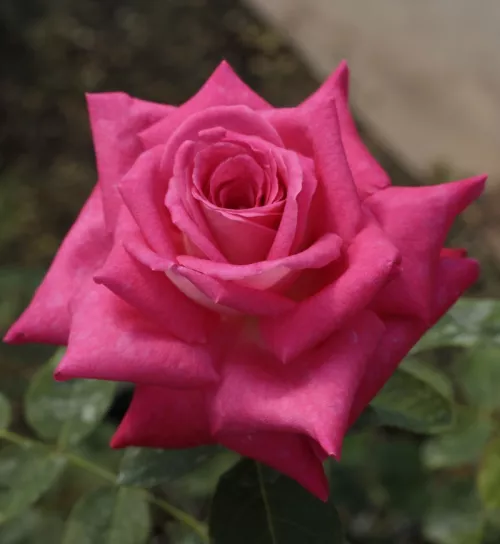
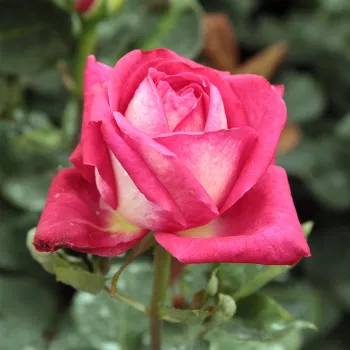
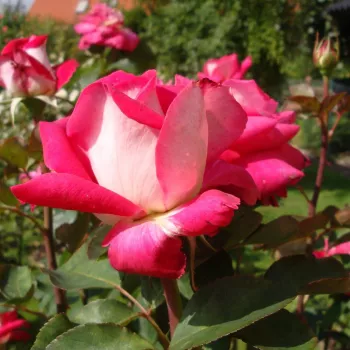
Step out to a front garden that feels like a private boudoir, where each large, high‑centred bloom of AERIE brings a theatre of mauve‑pink petals edged in soft silver. Bred by Rosen Tantau, this upright hybrid tea thrives in smaller urban spaces, coping steadily even where soil is heavy and drains slowly after winter downpours. Its very strong, garden‑filling fragrance hangs in the air after rain, echoing the calm of a narrow path between railings and doorstep pots. As an own‑root rose, it develops a durable, fibrous rootstock that supports long‑term health, calm regrowth after pruning and a stable shape. Planted in a generous bed or a 40–50 litre container, it gives tall, elegant stems for cutting while maintaining dense, glossy foliage that keeps the planting looking full even between flower flushes. Expect a gentle progression as the plant settles – the first year focused on hidden root building, the second on confident new shoots, and by the third season a composed, fully developed display.
Usage options
| Target area | Reasoning |
|---|
| London terraced-house front garden |
The upright, space-efficient habit suits narrow forecourts, giving height without overwhelming railings or paths. Large, exhibition-style blooms turn a compact frontage into a refined focal point for busy urban homeowners. |
| Cutting patch in a family garden |
High-centred, long-stemmed flowers are ideal for vases, repeating well through the season for regular picking. Own-root plants regenerate cleanly after hard cutting, supporting a long-lived home cutting area for hobby flower arrangers. |
| Rainwater-conscious urban bed |
Performs reliably where water tends to linger after showers, fitting designs that slow run-off with permeable, planted surfaces. Its structured habit integrates neatly with permeable gravel or brick edging for sustainability-minded gardeners. |
| Large patio container (40–50 litres) |
In a deep, well-drained pot, roots remain cool and stable, supporting strong repeat flowering near seating areas. The intense scent is then enjoyed at close range from doorsteps and balconies by time-poor city dwellers. |
| Specimen rose in mixed perennial border |
The tall, upright framework and dark foliage sit well among perennials, allowing the pink-and-silver blooms to float above lower planting. This creates a long-season anchor point for design-conscious home gardeners. |
| Small boundary hedge or line of roses |
Regular spacing gives a semi-formal line that frames paths or divides garden “rooms”. The own-root structure helps plants age evenly with fewer gaps, suiting uncomplicated layout plans for low-maintenance seekers. |
| Family relaxation corner with evening seating |
The very strong fragrance is noticeable even at a distance, especially in still evening air, enhancing a small seating nook or reading chair outdoors and rewarding relaxed use by after-work unwinders. |
| Coastal or exposed suburban setting |
Good heat tolerance and resilient structure help it cope with sun, reflected heat and brisk breezes, while regular watering in dry spells keeps flowering steady for practical, climate-aware owners. |
Styling ideas
- Doorstep Theatre – Place AERIE in a 40–50 litre charcoal or clay pot by the front door, underplanted with soft Nepeta for a scented welcome – ideal for city terrace entrances.
- Silvery Drift – Combine AERIE with dwarf lavender and grey gravel mulch to echo its silvery petal edges – suited to low-upkeep, Mediterranean-inspired front gardens.
- Blush Border – Use AERIE as the vertical accent among pink campanulas and soft grasses, letting tall blooms rise above a hazy understorey – perfect for romantic urban beds.
- Evening Alcove – Plant two AERIE roses flanking a bench with white Anemone ‘Fantasy Belle’ to catch twilight, allowing fragrance and pale tones to extend garden use – made for compact chill-out corners.
- Cutting Row – Line a sunny side path with AERIE at generous spacing, mulched for easy care, creating a dedicated “picking lane” – attractive for home florists wanting reliable stems.
Technical cultivar profile
| Parameter | Data |
|---|
| Name and registration |
Hybrid tea rose; registered as TANallepa, marketed as AERIE – hybrid tea rose – TANallepa; exhibition-type blooms suitable for cutting and garden display. |
| Origin and breeding |
Bred by Hans Jürgen Evers for Rosen Tantau in Germany before 1991; introduced 1994 by Rosen Tantau, combining exhibition form with strong scent for gardens. |
| Awards and recognition |
Le Roeulx Gold Medal and Fragrance Award 1998; Baden bei Wien First Prize 1999; Silver Medal at The Hague 2007, confirming ornamental and scented performance. |
| Growth and structural characteristics |
Upright hybrid tea, about 120–160 cm tall and 100–140 cm wide, with dense, slightly glossy dark green foliage and moderate prickles; weak self-cleaning so benefits from deadheading. |
| Flower morphology |
Large, fully double, high-centred blooms with 26–39 petals, typically solitary on long stems; remontant with an abundant second flush when regularly deadheaded and well watered. |
| Colour data and phenology |
Mid-pink flowers with silvery reverse; deep mauve-pink when opening, fading to a pearly greyish veil, especially in cooler, wet spells; colour holds better in strong, direct sunshine. |
| Fragrance and aroma |
Very strong, garden-filling scent that carries around terraces and paths; particularly noticeable near seating or open windows, making it valuable for sensory-focused planting schemes. |
| Hip characteristics |
Hip set is limited due to very double flowers and routine deadheading; where present, hips are orange-red, ovoid, about 10–14 mm across, and mainly of incidental ornamental interest. |
| Resistance and winter hardiness |
Hardy to approximately –21 to –18 °C (RHS H7; USDA 6b; Swedish Zone 3); disease resistance moderate to main foliar fungi, needing occasional preventative care in humid seasons. |
| Horticultural recommendations |
Prefers full sun and well-prepared soil with reliable drainage; medium maintenance with regular feeding, watering in drought, and deadheading; suitable for beds, hedges, specimens and containers. |
AERIE Hybrid tea rose TANallepa offers tall, fragrant exhibition blooms, adaptable front-garden and container use, and the steady resilience of an own-root plant; a thoughtful choice if you value lasting elegance with measured effort.